

What is a Powder Material Conveying System? And What Are Its Design Principles?
For industries that handle bulk powders, understanding the mechanisms and design principles of powder material conveying systems is crucial. These systems are engineered to transport dry, free-flowing materials efficiently and reliably, supporting operations in sectors such as pharmaceuticals, food processing, chemical manufacturing, and more. The core of such systems lies in their ability to move powders from one location to another while maintaining material integrity and operational efficiency.
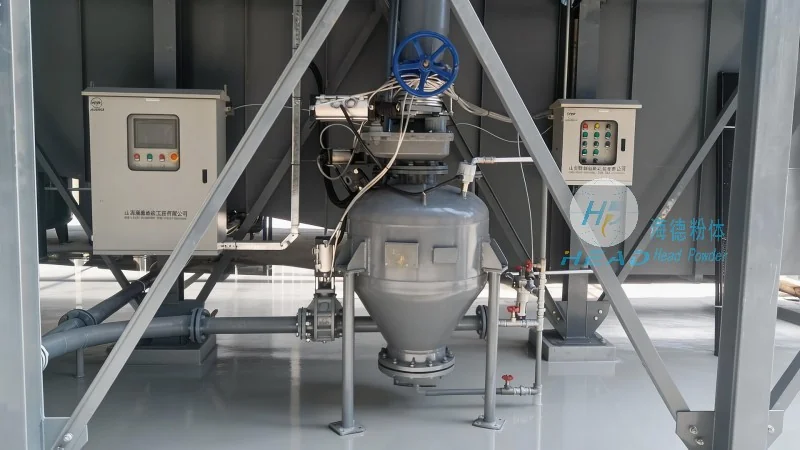
Powder Material Conveying Systems: An Overview
A powder material conveying system is a specialized piece of equipment designed to transport bulk powders from a source to a destination. These systems are essential for industries that rely on the consistent movement of dry materials, as they eliminate the need for manual handling and reduce the risk of contamination or material loss. The systems typically consist of components like hoppers, feeders, conveyors, and control systems, all working in tandem to ensure smooth and controlled material flow.
Key Design Principles for Efficient Powder Conveying
The design of a powder material conveying system is guided by several critical principles to ensure optimal performance. First, the system must account for the unique properties of the powder being handled, such as particle size, density, and flowability. This involves selecting appropriate equipment, like screw conveyors or pneumatic systems, that match the material's characteristics. Second, the system must maintain material integrity, preventing agglomeration, segregation, or degradation during transport. This is achieved through gentle handling, proper sealing, and controlled air flow in pneumatic systems. Third, energy efficiency is a key design consideration, as conveying powders can be energy-intensive. Engineers often incorporate features like variable speed drives and optimized air pressure to reduce operational costs while maintaining performance.
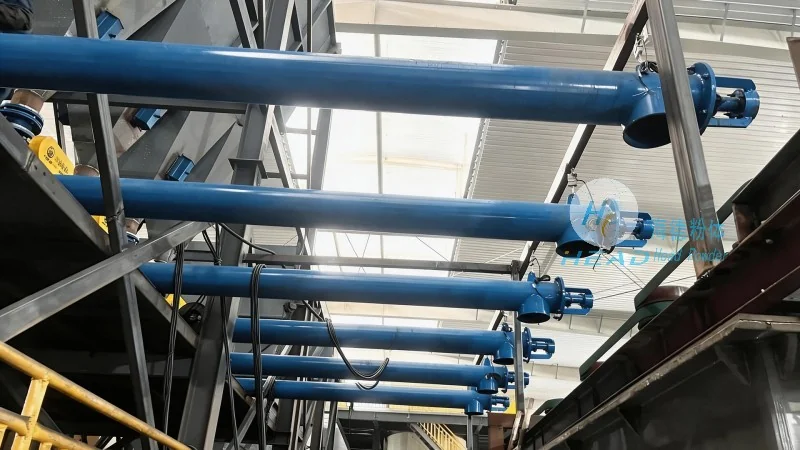
Components of a Typical Powder Conveying System
At the heart of any powder material conveying system are several key components that work together to facilitate material transport. The primary components include hoppers, which store and feed the powder; feeders, which regulate the flow rate of the material into the conveyor; and the conveyor itself, which can be either mechanical (e.g., screw, belt, or chain) or pneumatic (air-driven). Control systems, often integrated with sensors and automation, monitor and adjust the system's operation in real-time, ensuring consistent performance and safety. For example, a screw conveyor uses rotating screws to push powder forward, while a pneumatic system uses compressed air to transport the material through pipes.
Applications and Industries Served
Powder material conveying systems are widely used across various industries due to their versatility and efficiency. In the pharmaceutical industry, these systems are critical for transporting active ingredients and excipients with high purity standards, ensuring that the final product meets regulatory requirements. In food processing, they are used to move ingredients like flour, sugar, and spices, maintaining food safety and quality. The chemical industry relies on these systems to transport raw materials and finished products, while the agricultural sector uses them for handling fertilizers and other bulk agricultural products. Each application requires a tailored system design to meet specific operational needs, such as handling abrasive materials or maintaining sterile conditions.
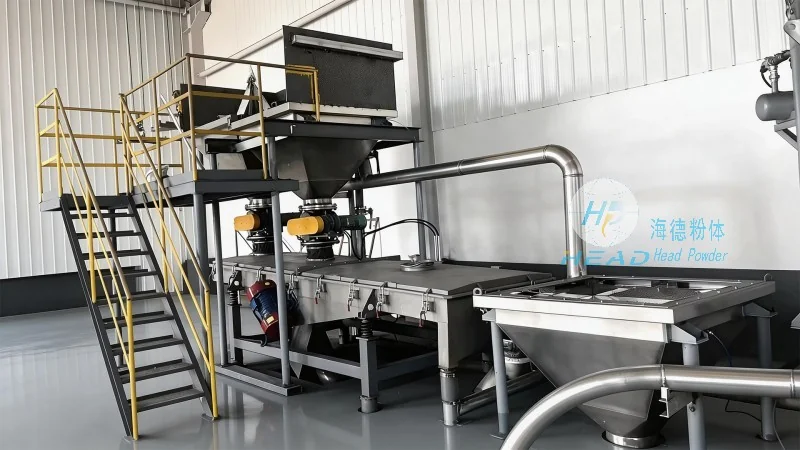
Advantages of Using Powder Conveying Systems
Implementing a powder material conveying system offers numerous advantages for businesses. Firstly, it enhances operational efficiency by automating the material handling process, reducing labor costs and minimizing the risk of human error. Secondly, it improves material safety by eliminating manual handling, which can lead to dust exposure or material contamination. Thirdly, these systems contribute to cost savings through energy efficiency and reduced downtime. Additionally, they enable better process control, allowing for precise monitoring and adjustment of material flow rates, which is essential for maintaining product quality and consistency.
Conclusion
Powder material conveying systems are indispensable tools for industries handling bulk powders, combining efficiency, reliability, and safety. By understanding the design principles and components of these systems, businesses can optimize their operations and meet the demands of modern manufacturing. As technology advances, these systems continue to evolve, incorporating automation and advanced materials to further enhance performance and sustainability. For companies seeking to improve their material handling processes, investing in a well-designed powder conveying system is a strategic decision that can yield long-term benefits.