

Principle and Working Scene Characteristics of Vacuum Dilute Phase Material Handling System Equipmen
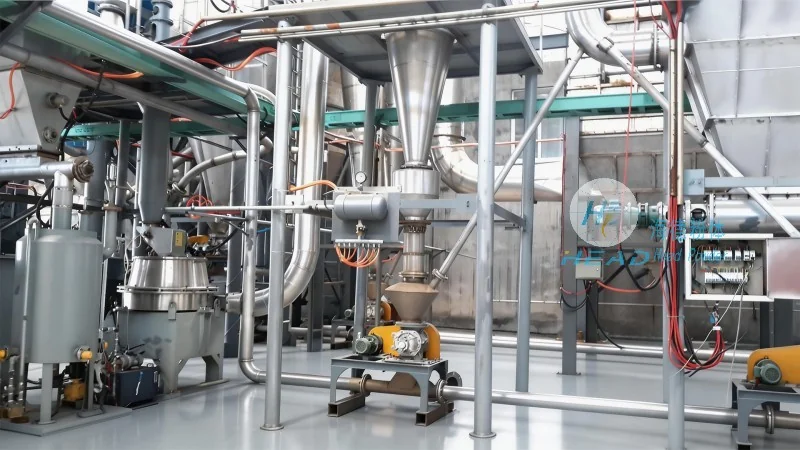
Vacuum dilute phase material handling systems represent a sophisticated technology in the field of bulk material transport, designed to efficiently move powders and granular materials over long distances with minimal pressure differentials. These systems operate by creating a negative pressure environment within the pipeline, which draws the material along with the air stream, forming a dilute suspension that ensures smooth and continuous flow. The core principle involves the use of a vacuum pump to generate the necessary suction, while the material is entrained by the air flow, allowing for effective transportation without the need for high-pressure compression or complex mechanical components.
Key Working Principles of the System
The fundamental operation of a vacuum dilute phase system is based on the principle of suction and suspension. The system typically consists of a vacuum source, a pipeline network, and a material feed mechanism. When the vacuum pump is activated, it creates a low-pressure zone in the pipeline, causing the ambient air to be drawn into the system along with the material. The material is then carried as a fine mist or suspension within the air stream, moving from the feed point to the discharge point. This method is particularly effective for materials that are prone to caking or agglomeration, as the air flow prevents particle sticking and maintains a uniform flow rate. The system's efficiency is enhanced by the use of appropriate air velocities and pipeline diameters, which are carefully selected to ensure that the material remains in suspension without settling or blocking the pipeline.
Typical Working Scene Applications
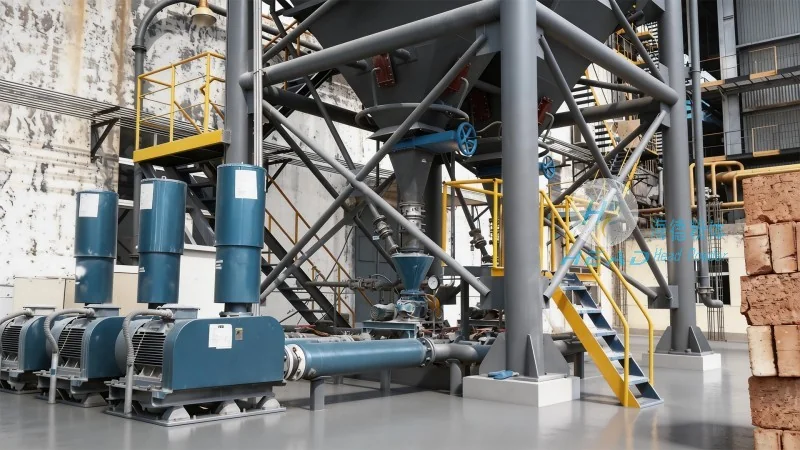
Vacuum dilute phase material handling systems are widely applied in various industrial sectors, including chemical processing, food processing, pharmaceuticals, and mining. In chemical plants, these systems are used to transport powders such as cement, limestone, and various chemicals, ensuring safe and dust-free operation. In food processing facilities, they handle ingredients like flour, sugar, and spices, maintaining hygiene standards and preventing contamination. The pharmaceutical industry utilizes these systems for transporting active pharmaceutical ingredients (APIs) and excipients, where precision and cleanliness are paramount. In mining operations, vacuum dilute phase systems are employed to transport ore powders and tailings, optimizing material recovery and reducing environmental impact. Each application leverages the system's ability to handle fine materials over long distances with minimal energy consumption and low maintenance requirements.
Advantages and Performance Characteristics
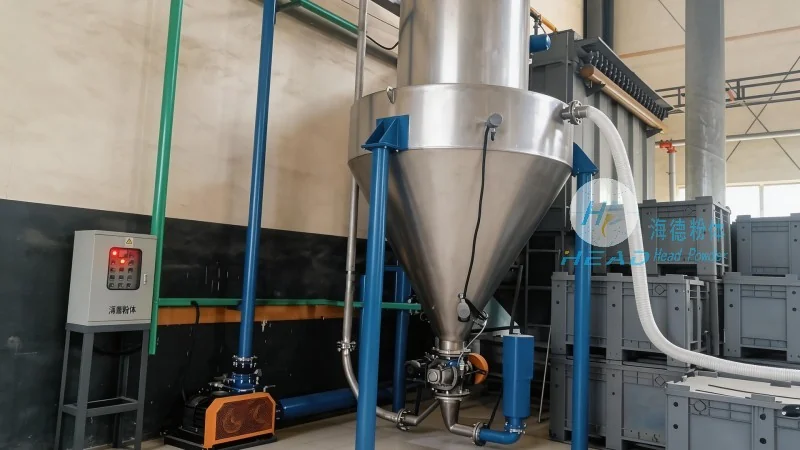
One of the primary advantages of vacuum dilute phase material handling systems is their energy efficiency. By operating under negative pressure, the system requires less power compared to positive pressure systems, which often use high-pressure compressors. This results in lower operational costs and reduced energy consumption. Additionally, the system is highly flexible, as it can be easily integrated into existing facilities and adapted to different material types and transport distances. The low pressure differentials also minimize the risk of material degradation, making it suitable for temperature-sensitive or reactive materials. From a maintenance perspective, the system components are relatively simple, with fewer moving parts compared to other bulk material handling methods, leading to lower downtime and longer service life. The ability to handle a wide range of particle sizes, from fine powders to granules, further enhances the system's versatility, making it a preferred choice for diverse industrial applications.