

Principle and Working Scene Characteristics of Polypropylene Resin Powder Material Conveying Lines
For industrial applications involving the handling and transportation of polypropylene resin powder, specialized conveying systems are essential to ensure efficiency, safety, and product integrity. This article explores the fundamental principles behind polypropylene resin powder material conveying lines, as well as the key characteristics of their operational environments. The information presented here is based on the expertise of Shandong HeadPowder Engineering Co., Ltd., a leading provider of material handling solutions in China.
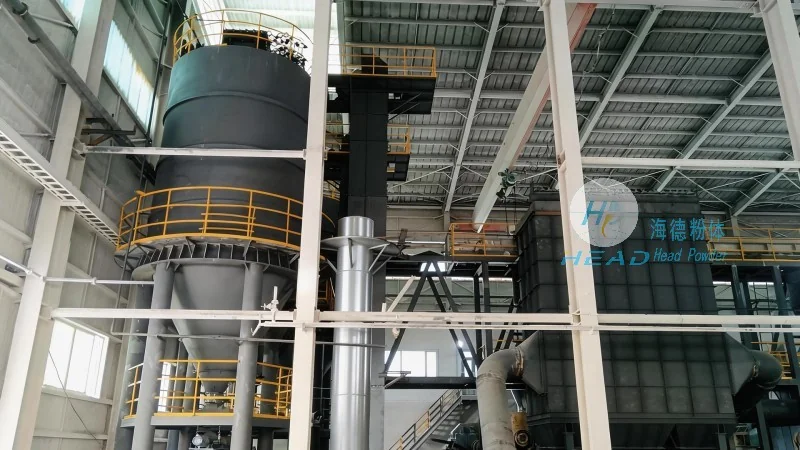
Principle of Polypropylene Resin Powder Conveying Lines
The core principle of polypropylene resin powder conveying lines is to transport fine powders like polypropylene resin from a source to a destination through a series of mechanical components. These systems typically utilize air or mechanical force to move the powder, depending on the specific design and operational requirements. The process involves several critical steps: material feeding, conveying, and discharge. In many cases, polypropylene resin powder is fed into the system via a hopper or feeder, which ensures a consistent flow rate. The conveying mechanism, such as a pneumatic system or a screw conveyor, then transports the powder through a pipeline or duct. Finally, the powder is discharged at the desired location, such as a storage silo or processing equipment. The entire system is designed to minimize product degradation, prevent dust contamination, and maintain a stable flow rate, which are all crucial for maintaining the quality of polypropylene resin powder.
Key Components of Polypropylene Resin Powder Conveying Systems
Several key components work together to ensure the smooth operation of polypropylene resin powder conveying lines. These components include: feeders, which control the flow of powder into the system; conveying mechanisms, such as pneumatic ducts or screw conveyors; filters and dust collectors, which prevent dust emissions and maintain air quality; and control systems, which monitor and regulate the operation of the entire system. Each component plays a vital role in the overall performance of the conveying line. For example, feeders are designed to handle the specific characteristics of polypropylene resin powder, such as its density and flowability, to ensure a consistent feed rate. Conveying mechanisms are selected based on factors like the required conveying distance, the volume of material to be transported, and the need for dust control. Filters and dust collectors are essential for maintaining compliance with environmental regulations and protecting the health of workers. Control systems provide real-time monitoring of the system's performance, allowing for quick adjustments to maintain optimal operation.
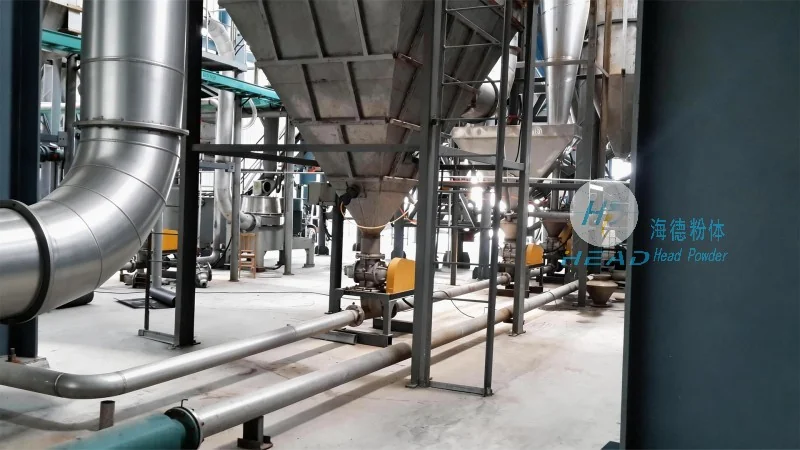
Working Scene Characteristics of Polypropylene Resin Powder Conveying Lines
The operational environment of polypropylene resin powder conveying lines varies depending on the specific application and industry. Some common working scene characteristics include: high-volume production environments, where large quantities of polypropylene resin powder need to be transported quickly and efficiently; processing plants, where the powder is used as a raw material for manufacturing products like plastic parts or fibers; and storage facilities, where the powder is stored before being used in production. The working environment may also involve exposure to dust, which requires proper ventilation and dust control measures. Additionally, the conveying lines may be exposed to temperature variations, which can affect the flow properties of the polypropylene resin powder. To address these challenges, the design of the conveying line must consider factors such as the material's properties, the operational conditions, and the required performance standards. For instance, in high-volume production environments, the conveying line may need to be equipped with multiple feeders and conveyors to handle the large volume of material. In processing plants, the line may need to be integrated with other equipment, such as mixers or extruders, to ensure a smooth transition from one process step to the next. In storage facilities, the line may need to be designed to minimize dust emissions and maintain the quality of the stored powder.
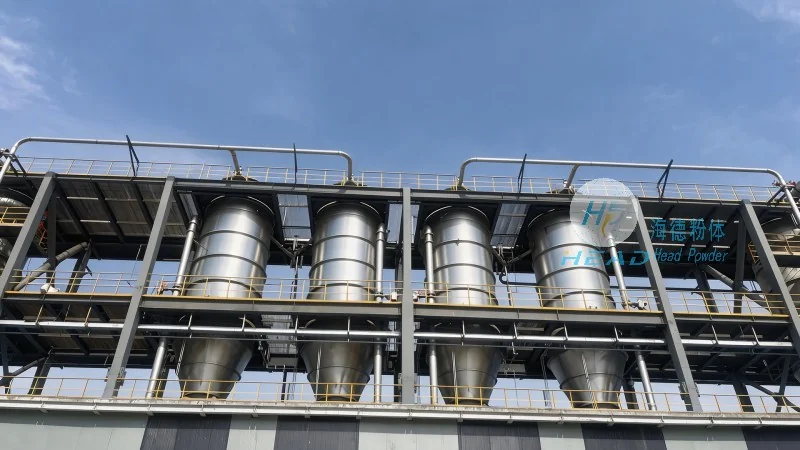
Application Examples of Polypropylene Resin Powder Conveying Lines
Polypropylene resin powder conveying lines are used in a wide range of applications across various industries. One common application is in the manufacturing of plastic products, where the powder is used as a raw material for injection molding or extrusion. In this case, the conveying line transports the polypropylene resin powder from a storage silo to the processing equipment, ensuring a consistent supply of material. Another application is in the production of fibers, where the powder is used to produce polypropylene fibers through a spinning process. The conveying line transports the powder to the spinning equipment, where it is melted and extruded into fibers. Additionally, polypropylene resin powder conveying lines are used in the production of composite materials, where the powder is mixed with other materials to create a composite product. In this case, the conveying line transports the powder to the mixing equipment, where it is combined with other components to form the composite.
Benefits of Using Polypropylene Resin Powder Conveying Lines
There are several benefits to using polypropylene resin powder conveying lines in industrial applications. One of the main benefits is improved efficiency, as the system can transport large quantities of material quickly and with minimal labor. This leads to increased productivity and reduced production costs. Another benefit is improved product quality, as the system minimizes product degradation and prevents contamination. This is particularly important for polypropylene resin powder, which is sensitive to moisture and temperature changes. Additionally, the system reduces labor costs by automating the material handling process, which eliminates the need for manual handling of the powder. This also improves workplace safety by reducing the risk of dust exposure and accidents. Finally, the system is designed to be flexible and adaptable, allowing it to be integrated with other equipment and processes as needed.