

Principle and Working Scene Characteristics of Calcium Oxide Dry Powder Material Conveying Line
At Shandong HeadPowder Engineering Co., Ltd., we specialize in the design and implementation of advanced material handling systems tailored for industrial applications. Our expertise lies in creating efficient solutions for transporting dry powders, with a particular focus on calcium oxide, a critical component in various manufacturing processes. This article delves into the fundamental principles behind our dry powder conveying lines and highlights the key characteristics of their operational environments.

Core Principle of the Calcium Oxide Dry Powder Conveying Line
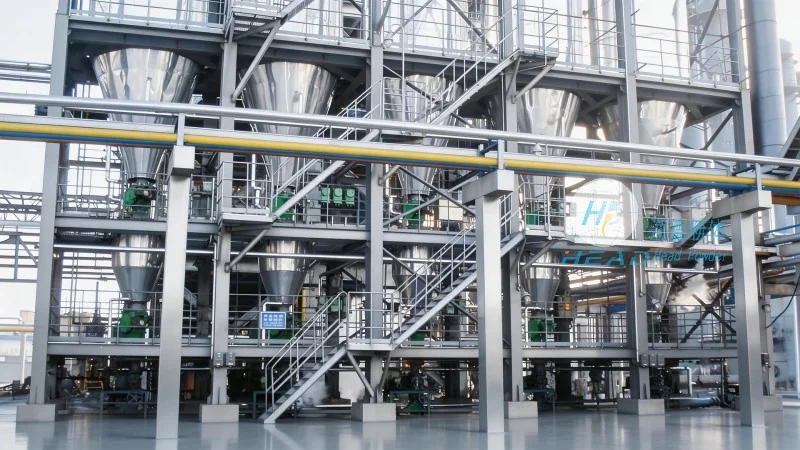
The calcium oxide dry powder material conveying line operates on the principle of pneumatic or mechanical transport, depending on the specific requirements of the application. For calcium oxide, which is often a fine, abrasive powder, a combination of positive pressure and negative pressure systems is commonly employed to ensure safe and efficient movement. The system typically includes a hopper for material storage, a feeder to control the flow rate, and a conveyor (either a pipeline with air or a mechanical screw/chain system) to transport the powder from the source to the destination. The design prioritizes minimizing dust generation, controlling material flow, and maintaining consistent pressure to prevent clogging or degradation of the powder. Advanced control systems are integrated to monitor parameters such as pressure, flow rate, and temperature, ensuring optimal performance and product integrity throughout the conveying process.
Key Working Scene Characteristics
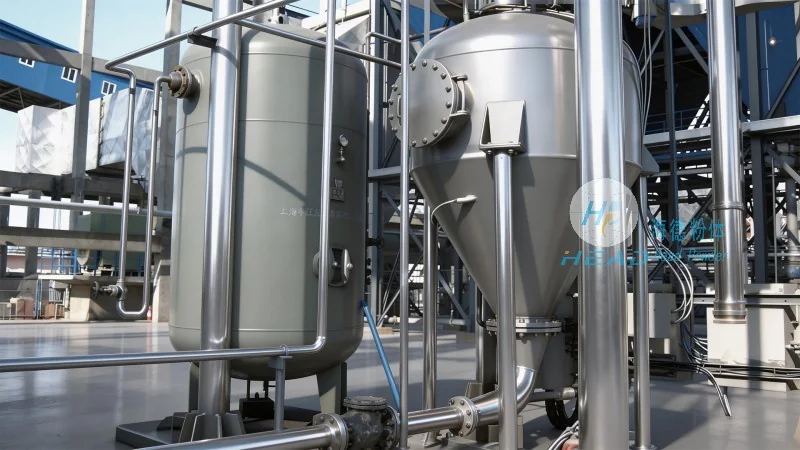
The operational environment of a calcium oxide dry powder conveying line is characterized by several critical factors that influence its design and functionality. First, the material's properties—such as its fineness, moisture content, and potential for caking—require specialized equipment to prevent blockages and ensure smooth transport. For instance, calcium oxide can be hygroscopic, meaning it absorbs moisture from the air, which may lead to clumping if not properly managed. Therefore, the conveying line often incorporates drying or moisture control mechanisms to maintain the powder's quality. Second, the system must adhere to safety standards, as calcium oxide dust can be hazardous if inhaled. Enclosed pipelines, dust collection systems, and proper ventilation are essential to mitigate health risks and comply with regulatory requirements. Third, the line's scalability is a key characteristic, as it can be adapted to handle varying production volumes, from small-scale laboratory applications to large-scale industrial operations. This flexibility allows the system to integrate seamlessly with existing manufacturing processes, enhancing overall operational efficiency. Additionally, the design considers the need for easy maintenance and cleaning, as the abrasive nature of calcium oxide can wear down components over time. Regular inspection and replacement of parts, such as seals and filters, are integral to sustaining the line's performance and longevity.
Application-Specific Adaptations
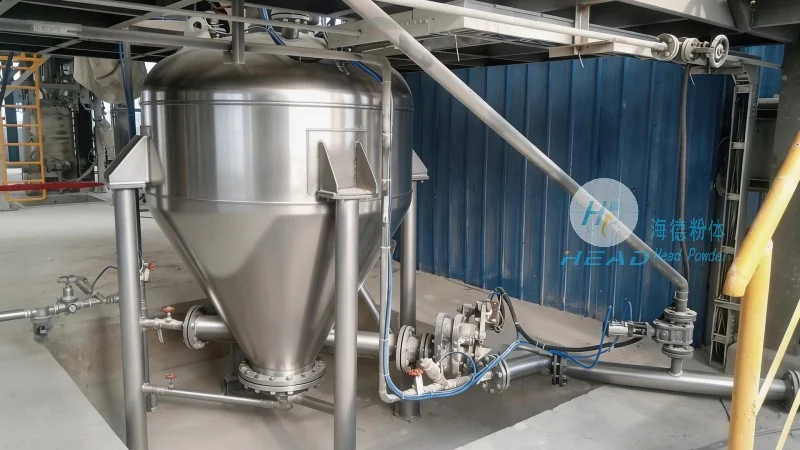
Depending on the end-use application, the calcium oxide dry powder conveying line may undergo specific adaptations to meet unique operational demands. For example, in the production of calcium oxide-based products like cement or steel, the line may be integrated with other processing equipment, such as mixers or reactors, to ensure a continuous flow of material. In pharmaceutical or food processing industries, where stringent hygiene standards are required, the conveying line is constructed with stainless steel components and sealed systems to prevent contamination. The control systems may also be enhanced with sensors to monitor for any deviations in material quality, such as particle size or moisture content, and trigger alerts or adjustments in real-time. Furthermore, the line's energy efficiency is a consideration, as the operation of pneumatic conveying systems can consume significant power. Optimized designs, including variable speed drives and energy recovery systems, help reduce operational costs while maintaining performance. These adaptations demonstrate the versatility of the conveying line, making it suitable for a wide range of industrial applications where calcium oxide is a key ingredient.