

Principles and Working Scene Characteristics of Cement Raw Material Conveying Lines
In the complex and demanding environment of modern cement manufacturing, the efficient transport of raw materials is a cornerstone of operational success. Cement raw material conveying lines are sophisticated systems engineered to move bulk materials such as limestone, clay, and iron ore from storage silos to the production units. These lines are integral to the entire cement production process, as they directly influence the plant's throughput, energy consumption, and overall product quality. Understanding the underlying principles and operational characteristics of these conveying lines is essential for optimizing their performance and ensuring the smooth operation of cement plants. The design of a conveying line involves careful consideration of several key factors, including the material's physical properties, the distance to be covered, the required capacity, and the environmental conditions of the plant site. Each of these factors plays a critical role in determining the most suitable equipment and configuration for the system.
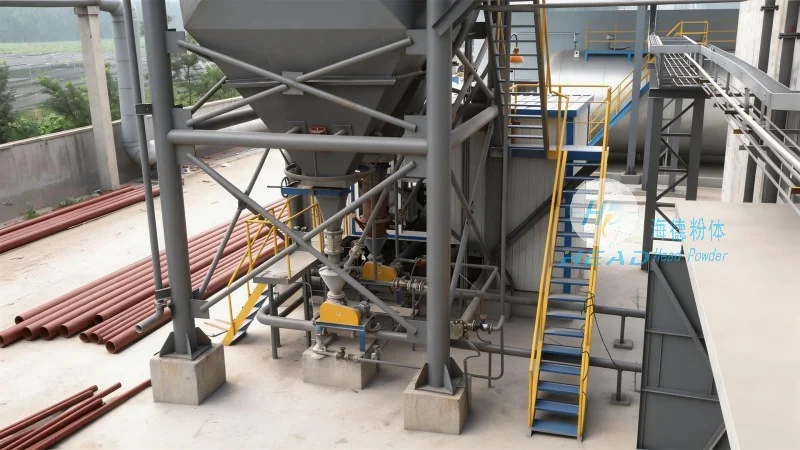
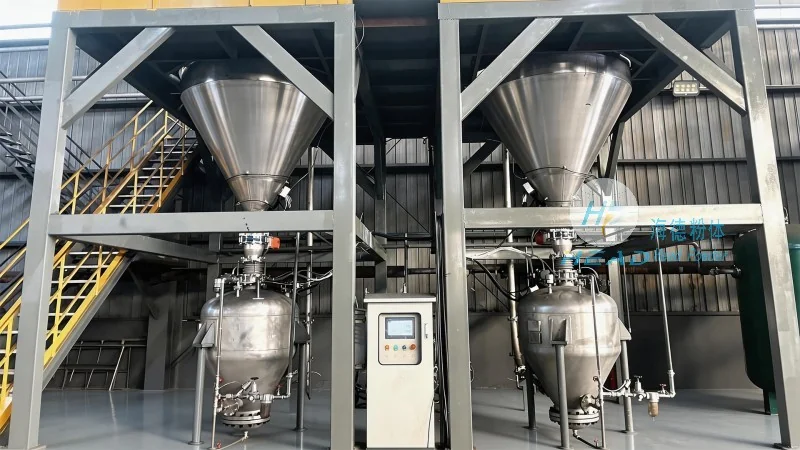
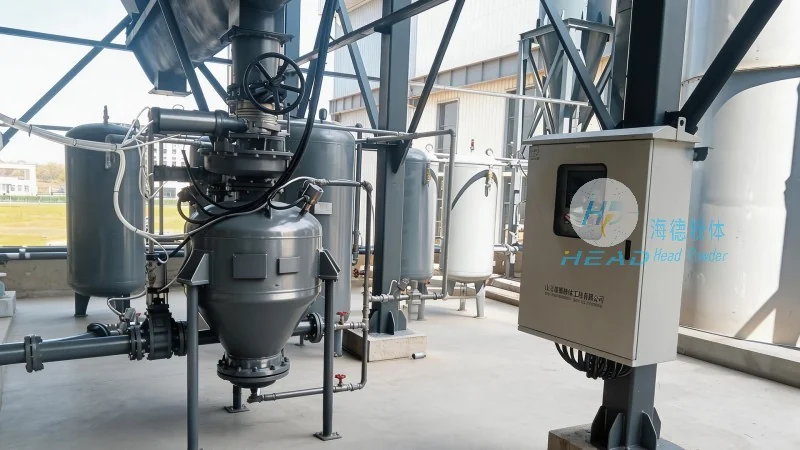
Company Profile: Shandong HeadPowder Engineering Co., Ltd.
HeadPowder Engineering Co., Ltd. is a leading manufacturer and supplier of engineering solutions for the cement industry, headquartered in Shandong, China. With over two decades of experience in the field, HeadPowder has established itself as a trusted partner for cement plants worldwide. The company specializes in the design, manufacturing, and installation of high-performance conveying systems, including cement raw material conveying lines. HeadPowder's team of experienced engineers and technicians leverages advanced technology and industry expertise to deliver customized solutions that meet the unique demands of each client. The company's commitment to quality and innovation has earned it a reputation as a leading provider of cement equipment. HeadPowder's state-of-the-art facility in Shandong is equipped with the latest design and testing equipment, enabling the company to develop and produce cutting-edge conveying systems. The company's dedication to customer satisfaction and technical support ensures that clients receive comprehensive solutions tailored to their specific needs.
Principles of Cement Raw Material Conveying Lines
The fundamental principle of cement raw material conveying lines is to transport bulk materials in a continuous and controlled manner from their storage locations to the production units. These systems typically consist of a series of interconnected equipment, including feeders, conveyors, elevators, and storage silos. The selection of the appropriate equipment is based on the specific characteristics of the raw materials, such as their size, density, and abrasiveness. For example, belt conveyors are commonly used for horizontal and inclined transport due to their high capacity, low maintenance requirements, and ability to handle a wide range of materials. Screw conveyors are ideal for vertical transport and handling of fine powders, as they provide a gentle and continuous flow of material. The conveying lines are designed to operate at a consistent speed and flow rate, ensuring a steady supply of raw materials to the production process. The system also incorporates control mechanisms, such as variable frequency drives (VFDs), to regulate the speed of the conveyors and adjust the flow rate based on production demands. This allows for efficient energy use and prevents overloading or underloading of the equipment.