

Principle and Working Scene Characteristics of Sodium Sulfate Material Handling System Equipment
Shandong HeadPowder Engineering Co., Ltd., a leading manufacturer based in Shandong, China, specializes in the design, development, and production of advanced material handling equipment. With a strong focus on innovation and quality, the company provides tailored solutions for transporting sodium sulfate and other bulk materials, catering to the diverse needs of industrial clients. The company's expertise in mechanical engineering and automation technology ensures that each system is optimized for efficiency, reliability, and durability.
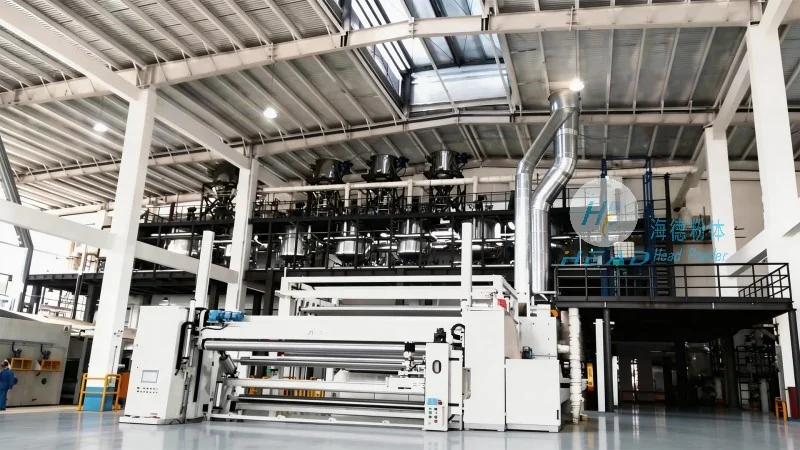
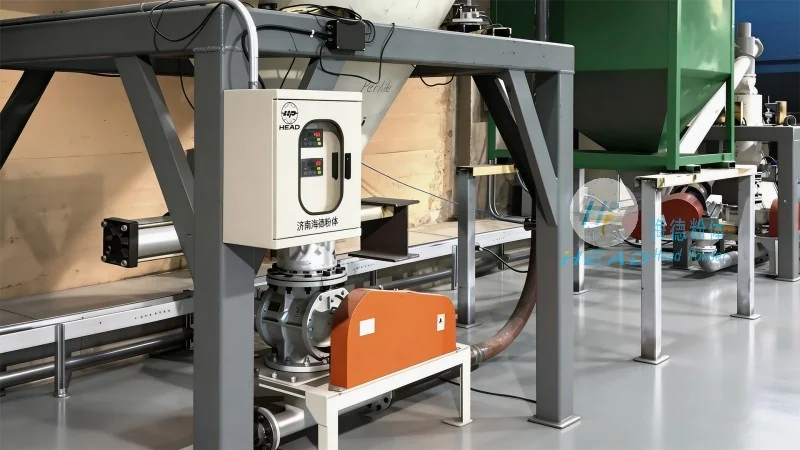
Principle of Sodium Sulfate Material Handling System Equipment
The sodium sulfate material handling system equipment operates based on a combination of mechanical and hydraulic principles. The core components include a conveyor system, a feeding mechanism, and a control unit. The conveyor system, typically equipped with a belt or screw mechanism, is responsible for transporting the bulk material from the storage area to the processing or packaging point. The feeding mechanism ensures a consistent and controlled flow of the material into the conveyor, preventing blockages and maintaining uniform speed. The control unit, often integrated with sensors and automation technology, monitors the system's performance, adjusts the speed and direction of the conveyor, and provides real-time data on material flow rates and system status. This integrated approach ensures efficient and safe material handling, minimizing downtime and maximizing productivity.
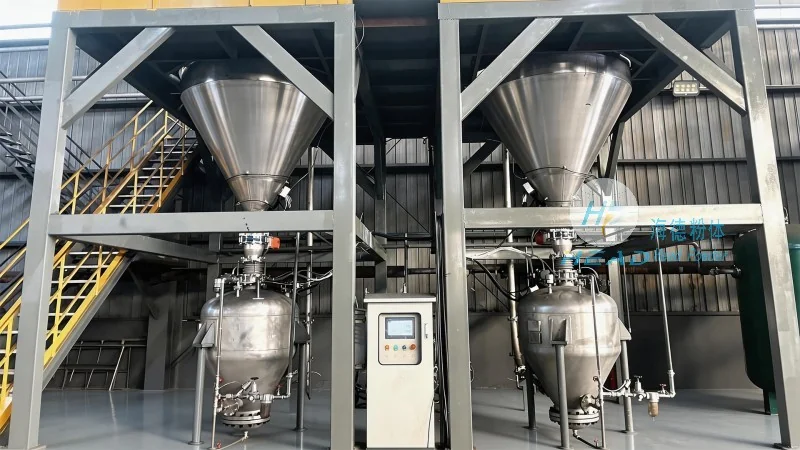
Working Scene Characteristics of the System
The working scene characteristics of the sodium sulfate material handling system are tailored to meet the specific demands of industrial environments. The equipment is designed for high-capacity operations, capable of handling large volumes of sodium sulfate with minimal maintenance. Its robust construction and durable materials make it suitable for harsh industrial conditions, including high temperatures, dust, and moisture. The system's modular design allows for easy installation and integration into existing production lines, reducing the need for extensive modifications. Additionally, the equipment is equipped with safety features such as emergency stop buttons, overload protection, and material detection sensors, ensuring operator safety and preventing equipment damage. The working scene also emphasizes energy efficiency, with adjustable speed controls and energy-saving modes that reduce operational costs while maintaining performance.
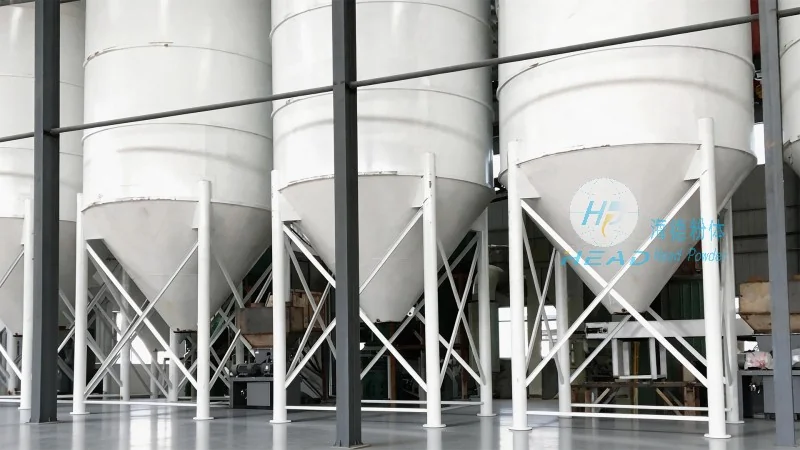
Application Advantages and Performance
The sodium sulfate material handling system offers several key advantages that enhance operational efficiency and product quality. The consistent material flow provided by the system ensures uniform processing, which is crucial for maintaining the quality of sodium sulfate products. The automated control system reduces the need for manual intervention, minimizing human error and improving overall process reliability. The system's ability to handle varying material conditions, such as different particle sizes and moisture levels, makes it versatile for diverse industrial applications. Furthermore, the equipment's low maintenance requirements and long service life contribute to cost savings over time. The working scene characteristics, including its adaptability to different production scales and environments, make it a valuable asset for companies in the chemical and industrial sectors.