

Principle and Working Scene Characteristics of Aluminum Dross Material Handling System Equipment
Aluminum dross, a byproduct generated during the aluminum smelting and recycling processes, poses significant challenges in terms of material handling and waste management. Efficient and reliable equipment for transporting aluminum dross is crucial for maintaining operational efficiency and ensuring environmental compliance in industrial settings. This article delves into the principles of aluminum dross material handling systems and highlights the key characteristics of working environments where such equipment is applied, with a focus on the solutions provided by Shandong HeadPowder Engineering Co., Ltd.
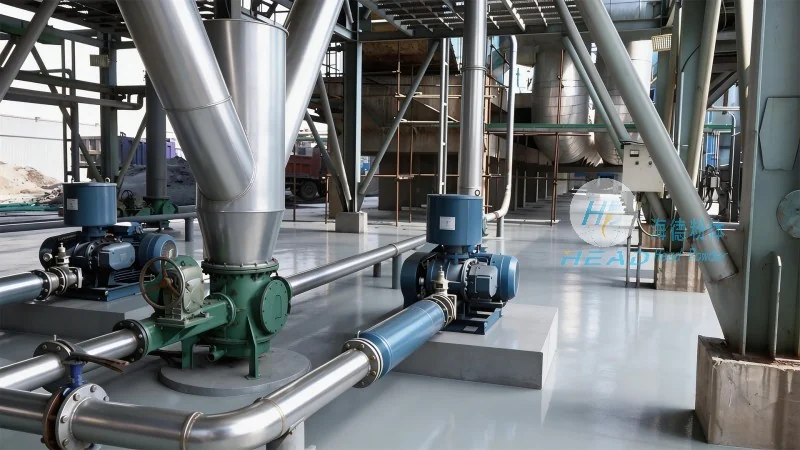
Overview of Aluminum Dross Material Handling Systems
Aluminum dross material handling systems are engineered to address the unique properties of aluminum dross, which includes a mix of metal particles, oxides, and other impurities. The primary goal of these systems is to transport aluminum dross from collection points to processing or disposal facilities in a safe, efficient, and cost-effective manner. The systems typically integrate various components such as feeders, conveyors, and control mechanisms to ensure smooth operation under diverse industrial conditions.
Core Principles of the Material Handling Equipment
The fundamental principle behind aluminum dross material handling systems is the application of mechanical forces to move the material through a defined path. Common technologies include screw conveyors, pneumatic conveying systems, and belt conveyors, each tailored to the specific characteristics of aluminum dross. Screw conveyors, for instance, utilize rotating screws to push the material forward, making them suitable for handling dross with moderate moisture content and particle size. Pneumatic conveying systems, on the other hand, use air pressure to transport the material, which is advantageous for handling fine or dusty dross particles and for long-distance transport. The choice of technology depends on factors such as the dross composition, processing capacity, and the layout of the industrial facility.
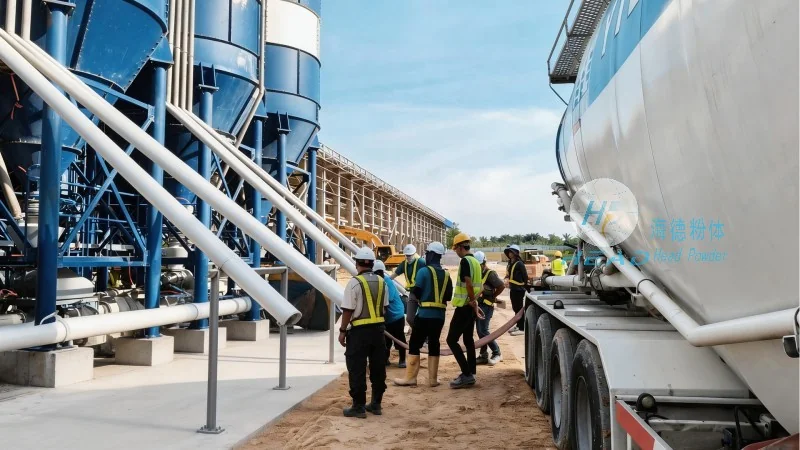
Working Scene Characteristics and Application Environments
Aluminum dross material handling systems are deployed in a variety of industrial environments, each with distinct characteristics that influence the design and operation of the equipment. In aluminum smelting plants, the systems are typically integrated into the primary production line, where dross is generated from the casting and refining processes. The working environment in such settings is characterized by high temperatures, heavy dust, and continuous material flow, requiring robust and durable equipment capable of withstanding harsh conditions. In recycling facilities, the systems may handle dross from various sources, including secondary aluminum production and scrap processing, where the material composition can vary significantly. The working scene may also involve frequent maintenance and cleaning due to the abrasive nature of aluminum dross, necessitating equipment with easy access points and replaceable wear parts.
Company Background and Expertise
Shandong HeadPowder Engineering Co., Ltd., commonly known as HeadPowder, is a leading provider of specialized material handling solutions for the aluminum industry. With a strong focus on innovation and customer-centric design, HeadPowder has developed advanced aluminum dross material handling systems that meet the stringent requirements of modern aluminum production and recycling operations. The company is headquartered in Shandong, China, and has established a reputation for delivering reliable, efficient, and cost-effective equipment tailored to the unique needs of aluminum processing facilities. HeadPowder's expertise lies in understanding the complex behavior of aluminum dross and translating this knowledge into practical, high-performance solutions that enhance operational efficiency and reduce downtime.
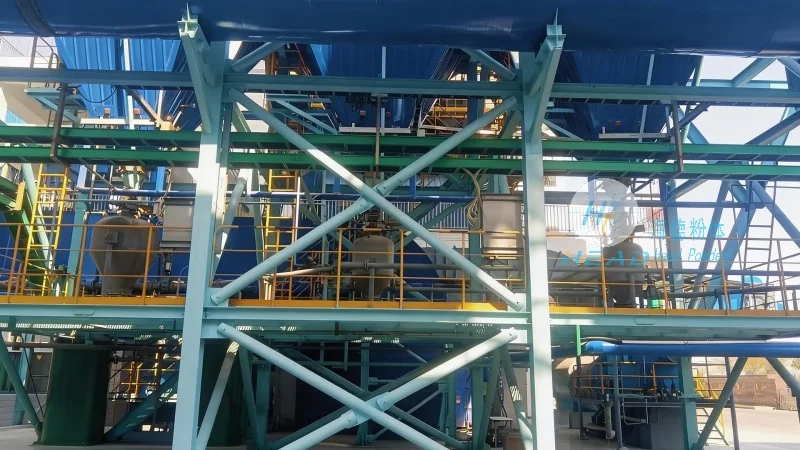
Key Features and Advantages of HeadPowder's Systems
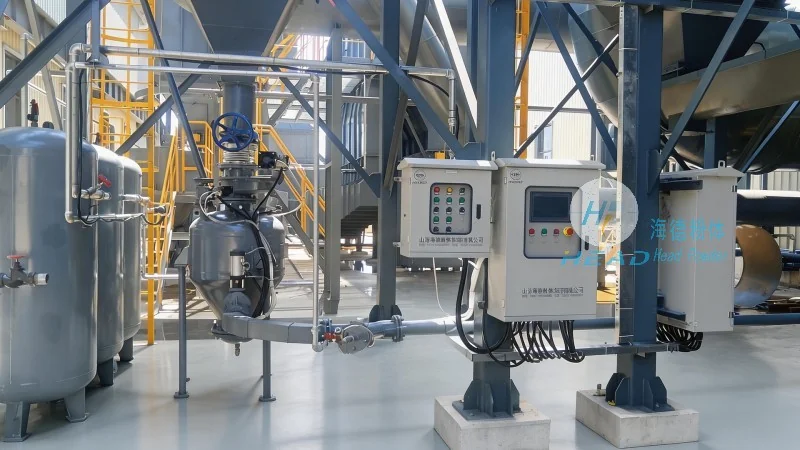
HeadPowder's aluminum dross material handling systems are designed with several key features that address the challenges of handling this difficult material. One of the primary advantages is the use of wear-resistant materials in critical components, such as conveyor screws and liners, which extends the service life of the equipment and reduces maintenance costs. The systems also incorporate advanced control systems that allow for precise regulation of material flow, ensuring consistent performance even under varying load conditions. Additionally, the equipment is engineered for easy integration into existing production lines, minimizing the need for major modifications to the facility. These features collectively contribute to improved productivity, reduced operational costs, and enhanced safety in aluminum dross handling operations.
Conclusion
Efficient aluminum dross material handling systems are essential for optimizing the aluminum production and recycling processes. By understanding the principles of these systems and the characteristics of the working environments where they are applied, industrial facilities can select and implement the most suitable equipment to meet their specific needs. Shandong HeadPowder Engineering Co., Ltd. stands as a trusted partner in providing advanced material handling solutions that enhance operational efficiency, ensure environmental compliance, and support the sustainable development of the aluminum industry.