

Principle and Working Scene Characteristics of Quicklime Material Handling System Equipment
HeadPowder, a prominent enterprise in the material handling industry, specializes in the design, manufacturing, and supply of advanced equipment tailored for various bulk material transport needs. With a strong presence in Shandong, China, the company has established itself as a reliable partner for clients seeking efficient and reliable solutions for handling materials like quicklime. The company's commitment to quality and innovation has enabled it to deliver systems that meet the diverse requirements of industrial applications, ensuring optimal performance and durability in demanding environments.
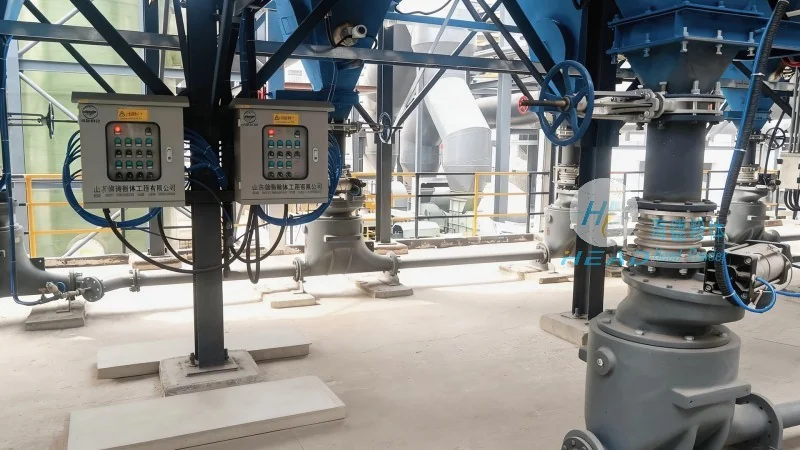
Principle of Quicklime Material Handling Systems
The quicklime material handling system is engineered to efficiently transport quicklime, a widely used industrial material, from storage to processing or packaging areas. The core principle revolves around the integration of mechanical components that facilitate the movement of bulk material through a controlled and systematic process. Key elements include conveyor belts, hoists, and feeding mechanisms that work in tandem to ensure smooth material flow. The system is designed to handle the unique properties of quicklime, such as its fine powder form and potential reactivity, by incorporating features that minimize dust generation and prevent material degradation during transport. This ensures that the material remains in optimal condition throughout the handling process, meeting the quality standards required for downstream applications.
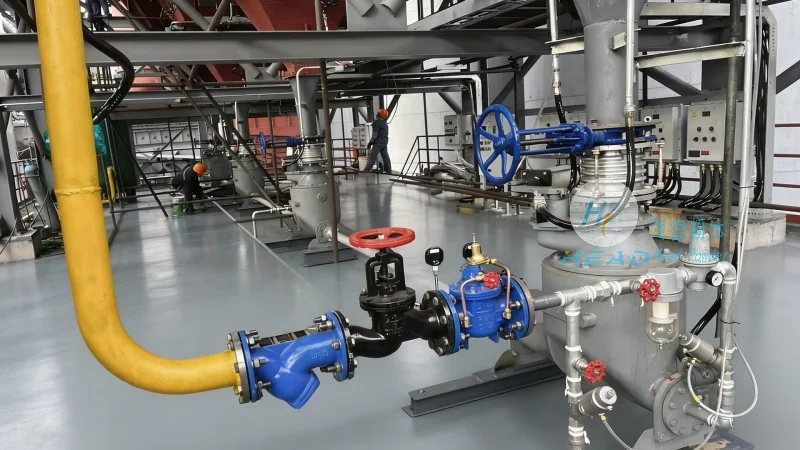
Working Scene Characteristics of Quicklime Material Handling Systems
The working scene characteristics of quicklime material handling systems are tailored to the specific demands of industrial operations. These systems are typically deployed in large-scale production facilities, such as cement plants, chemical processing plants, and mining operations, where quicklime is a critical component in the production chain. The systems are designed to operate in environments that may involve high temperatures, dust, and moisture, requiring robust construction and corrosion-resistant materials. The working scene often involves continuous operation, with the system running around the clock to support the high throughput demands of industrial processes. Additionally, the systems are integrated with safety features to protect operators and equipment from potential hazards, such as material spills or mechanical failures. The working scene also emphasizes efficiency and reliability, as any downtime can significantly impact production schedules and overall operational costs.
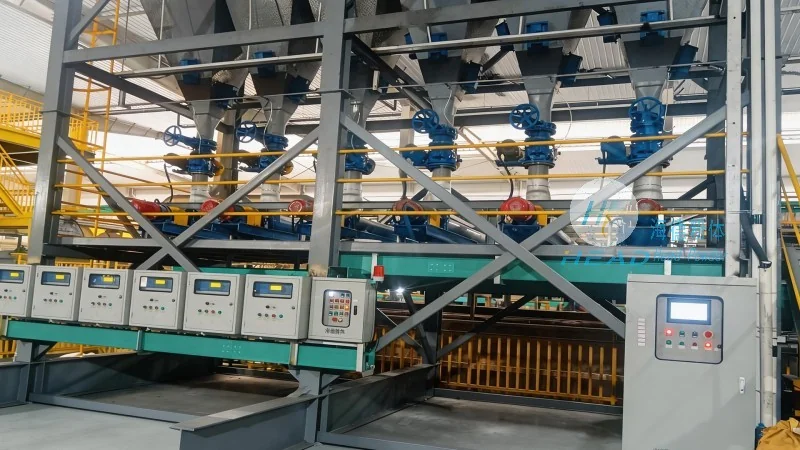
System Components and Operational Workflow
The quicklime material handling system comprises several key components that work together to achieve seamless material transport. The primary components include a hopper for material storage, a conveyor system (often a belt or screw conveyor) for horizontal transport, and a vertical lift mechanism (such as a hoist or elevator) for vertical movement. The system may also include feeding devices, such as rotary valves or screw feeders, to control the flow rate of quicklime into the conveyor. The operational workflow begins with the material being discharged from storage silos or trucks into the hopper. From there, the material is transferred to the conveyor system, which moves it to the processing or packaging area. The vertical lift component then elevates the material to the desired height, ensuring it can be fed into subsequent processing equipment. The system is equipped with sensors and control panels that monitor the flow rate, pressure, and other parameters, allowing for real-time adjustments to maintain optimal performance. This integrated approach ensures that the material is handled efficiently and safely, minimizing the risk of material loss or equipment damage.
Typical Working Scenarios and Applications
Quicklime material handling systems are widely used in various industrial applications where bulk material transport is essential. In cement production, for example, quicklime is a key raw material that is used to produce clinker and cement. The system is deployed to transport quicklime from storage to the kiln or grinding mills, ensuring a steady supply of material for the production process. In chemical processing plants, quicklime is used in the production of calcium compounds, and the handling system ensures that the material is delivered to reactors or reactors in a controlled manner. Mining operations also utilize quicklime material handling systems to transport the material from mining sites to processing facilities, where it is used in ore treatment processes. Additionally, in power plants, quicklime is used for flue gas desulfurization, and the system ensures that the material is delivered to the scrubbers efficiently. These applications highlight the versatility and importance of quicklime material handling systems in supporting industrial operations across multiple sectors.
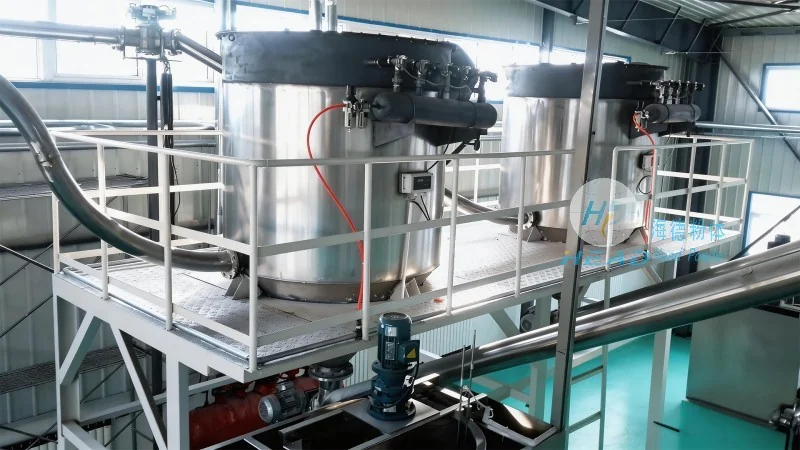
Advantages and Benefits of HeadPowder's Quicklime Material Handling Systems
HeadPowder's quicklime material handling systems offer several advantages that make them a preferred choice for industrial clients. The systems are designed with durability and reliability in mind, using high-quality materials that can withstand the harsh conditions of industrial environments. This results in longer service life and reduced maintenance costs, providing a high return on investment for clients. The systems are also highly efficient, with optimized flow rates and minimal material loss, ensuring that the material is handled with precision and care. The integration of advanced control systems allows for real-time monitoring and adjustment, enhancing operational efficiency and reducing downtime. Additionally, the systems are designed with safety features that protect operators and equipment from potential hazards, ensuring compliance with industrial safety standards. The company's expertise in material handling solutions, combined with its commitment to quality, makes its quicklime material handling systems a reliable choice for clients seeking to improve their material transport processes and enhance overall operational performance.