

Principles and Operational Characteristics of Feed Material Handling System Equipment
HeadPowder, a leading manufacturer based in Shandong, China, specializes in the design and production of advanced feed material handling systems. These systems are engineered to efficiently transport bulk materials such as feed ingredients, grains, and other agricultural products within industrial settings. The core principle behind these systems lies in the integration of mechanical components and control technologies to ensure seamless, reliable, and safe material movement. By leveraging innovative solutions, HeadPowder's equipment optimizes the flow of feed materials, reducing operational costs and enhancing overall productivity in feed processing facilities.
Key Components and Working Principles
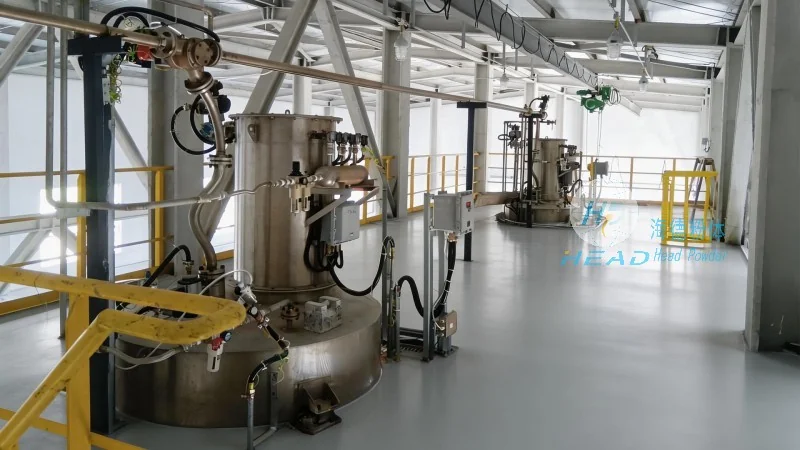
The feed material handling system typically consists of several critical components, each playing a vital role in the overall operation. The primary elements include feed hoppers, conveyor belts or screw conveyors, control panels, and safety mechanisms. The feed hopper serves as the storage and feeding unit, where raw materials are loaded and prepared for transport. From the hopper, materials are transferred to the conveyor system, which can be either a belt conveyor for horizontal or slight incline transport, or a screw conveyor for vertical or more complex path movement. The control panel manages the speed, direction, and flow rate of the conveyor, ensuring precise material handling. Safety features, such as emergency stop buttons and overload protection, are integrated to prevent accidents and equipment damage.
Operational Characteristics in Different Scenarios
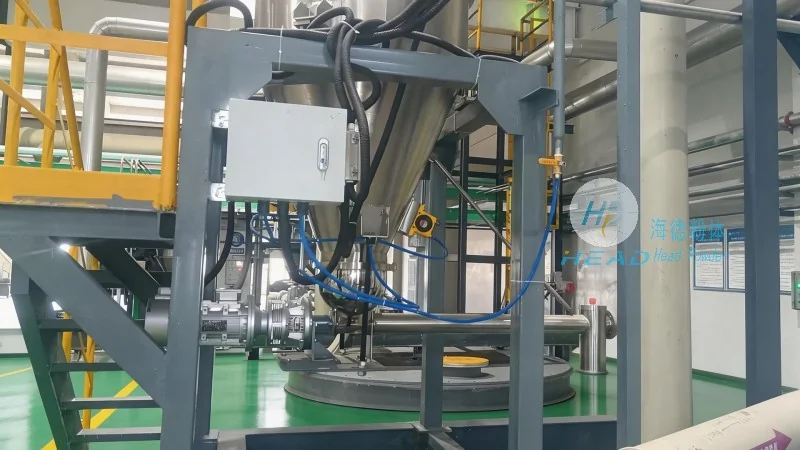
HeadPowder's feed material handling systems are designed to operate effectively across various industrial scenarios, adapting to the specific needs of feed processing plants. In animal feed production facilities, these systems are crucial for moving raw ingredients like corn, soybean meal, and minerals from storage silos to mixing and processing areas. The systems must handle different material properties, such as varying moisture content and particle sizes, ensuring consistent and uniform material flow. In poultry and livestock farms, the equipment is used to transport feed from central storage to feeding stations, optimizing feeding efficiency and reducing labor costs. The operational characteristics include high capacity, low maintenance requirements, and durability, making them suitable for continuous 24/7 operation in demanding environments. Additionally, the systems are designed for easy cleaning and maintenance, which is essential for maintaining hygiene standards in feed production.
Advantages and Applications
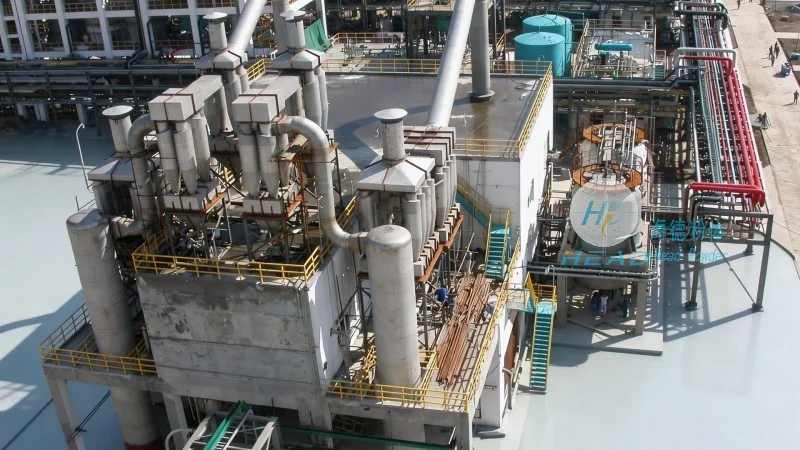
Implementing HeadPowder's feed material handling systems offers several advantages that enhance the efficiency and reliability of feed processing operations. The primary benefits include improved material flow management, reduced downtime due to equipment failures, and enhanced safety through integrated safety features. The systems are highly customizable, allowing manufacturers to tailor the equipment to their specific production requirements, whether for small-scale or large-scale feed production. Applications extend beyond traditional feed processing to include other bulk material handling in agricultural and industrial sectors, such as fertilizer distribution or grain storage management. The technology used in these systems is based on proven engineering principles, ensuring long-term performance and minimal operational disruptions.