

What is an Automatic Bulk Bag Unloading and Material Conveying System? And What Are Its Design Princ
For industries dealing with bulk powders, the efficient handling of raw materials is crucial for maintaining production efficiency and product quality. A key solution in this regard is the automatic bulk bag unloading and material conveying system, a sophisticated piece of equipment designed to streamline the process of handling and transporting bulk materials from their packaging to the processing line. This article delves into the functionality of such systems and the underlying design principles that make them effective.
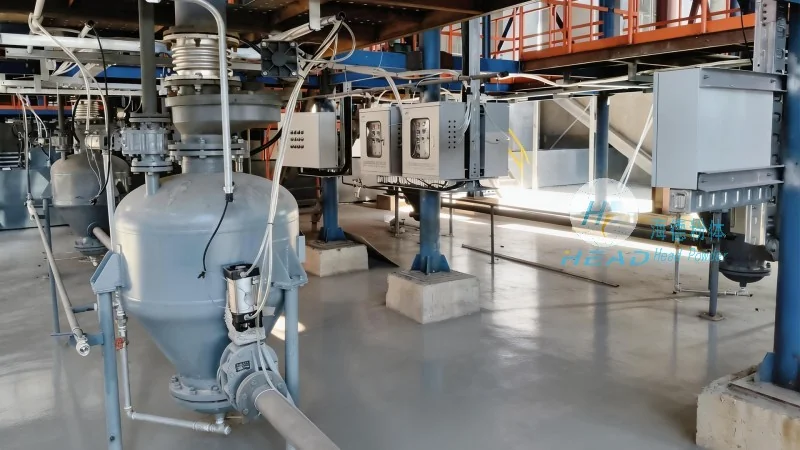
Introduction to Automatic Bulk Bag Unloading and Material Conveying Systems
An automatic bulk bag unloading system, often referred to as a big bag unloader or FIBC (Flexible Intermediate Bulk Container) unloader, is a specialized piece of machinery used to discharge the contents of bulk bags or containers. These systems are particularly valuable in industries like food processing, pharmaceuticals, chemicals, and agriculture, where handling bulk powders requires precision and safety. The system typically includes components such as a hopper, a discharge valve, a conveyor, and a dust collection system, all working in tandem to ensure a clean and efficient transfer of material.
Key Components and Their Functions
The effectiveness of an automatic bulk bag unloading and material conveying system relies on its integrated components, each playing a critical role in the overall operation. The hopper, usually made of stainless steel or other corrosion-resistant materials, serves as the primary container for the bulk material once the bag is emptied. It is designed to accommodate the volume of material from a single bulk bag and provides a smooth transition to the downstream conveying equipment. The discharge valve, often a rotary valve or a gate valve, controls the flow of material from the hopper into the conveyor system. This component ensures that the material is discharged at a controlled rate, preventing overloading or spillage. The conveyor system, which can be a screw conveyor, belt conveyor, or pneumatic conveyor, transports the material from the hopper to the processing equipment. The choice of conveyor type depends on the properties of the material, such as its bulk density, flowability, and potential for dust generation. For materials that are prone to dust, a dust collection system is integrated to capture and filter airborne particles, ensuring a clean working environment and compliance with environmental regulations.
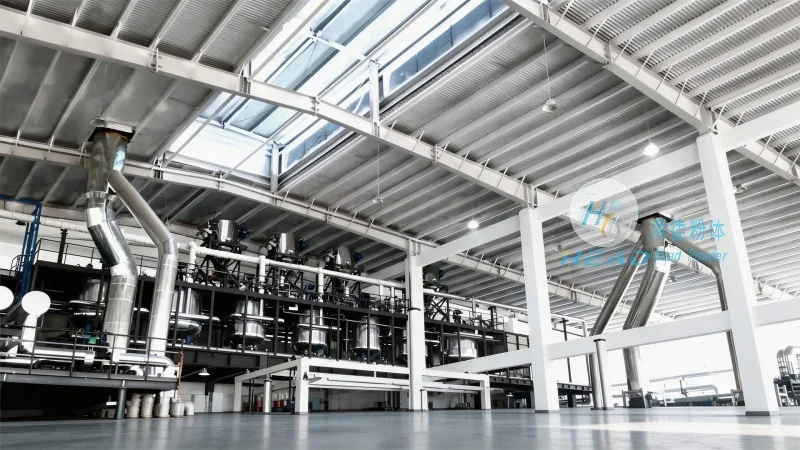
Design Principles for Efficient Operation
The design of an automatic bulk bag unloading and material conveying system is guided by several key principles aimed at maximizing efficiency, safety, and reliability. One of the primary principles is the minimization of material loss and contamination. This is achieved through the use of sealed systems and proper sealing of the bulk bag during discharge. The system is designed to prevent the ingress of foreign materials or moisture, which could compromise the quality of the product. Another critical principle is the optimization of material flow. The hopper and discharge valve are engineered to ensure that the material flows smoothly and without blockages, even for materials with poor flow characteristics. This is often achieved through the use of internal baffles or agitators that help break up clumps and ensure uniform flow. The conveyor system is also designed to handle the specific properties of the material, such as its bulk density and abrasiveness, to prevent wear and tear and ensure long-term operation. Additionally, the system is designed for easy maintenance and cleaning. The components are constructed from materials that are easy to clean and sanitize, and the system is designed with access points for routine maintenance, reducing downtime and operational costs.
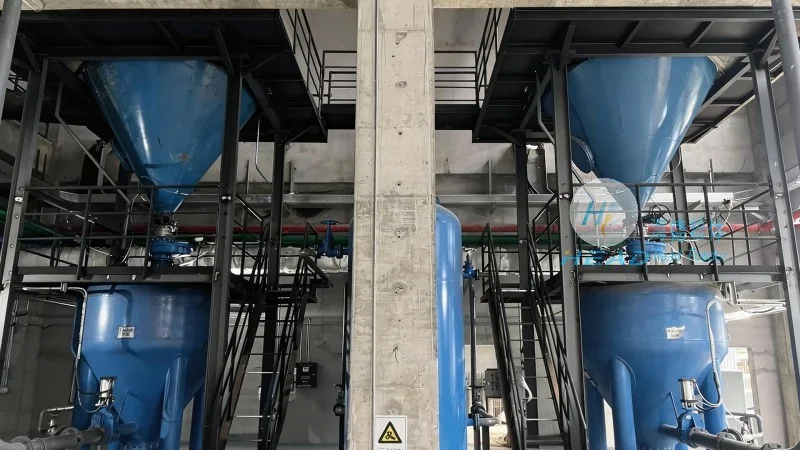
Applications and Benefits in Industrial Settings
The automatic bulk bag unloading and material conveying system finds wide application in various industrial sectors due to its ability to handle large volumes of bulk materials efficiently and safely. In the food industry, for example, such systems are used to handle ingredients like flour, sugar, and spices, ensuring that the materials are transferred without contamination and in a hygienic manner. In the pharmaceutical industry, the system is used to handle active pharmaceutical ingredients (APIs) and excipients, where precision and cleanliness are paramount. In the chemical industry, the system is used to handle a variety of chemicals, from powders to granules, ensuring that the materials are handled safely and in compliance with safety regulations. The benefits of using such a system include increased production efficiency, reduced labor costs, improved product quality, and enhanced safety for operators. By automating the process of bulk bag unloading and material conveying, industries can achieve higher throughput and reduce the risk of accidents associated with manual handling of bulk materials.
Conclusion
In conclusion, the automatic bulk bag unloading and material conveying system is a vital piece of equipment for industries dealing with bulk powders. Its design, based on principles of efficiency, safety, and reliability, ensures that bulk materials are handled and transported in a clean, efficient, and safe manner. As a leading provider in this field, Shandong HeadPowder Engineering Co., Ltd. specializes in designing and manufacturing such systems tailored to the specific needs of various industries. With a focus on quality and innovation, HeadPowder aims to provide solutions that enhance operational efficiency and product quality for its clients.