

What is an Automatic Material Feeding and Conveying System? What are its Design Principles?
For industries that rely on precise material handling and efficient production processes, the concept of an automatic material feeding and conveying system is crucial. These systems are engineered to automate the transfer, measurement, and distribution of bulk materials, ensuring consistent performance and minimizing human error. Understanding what such a system entails and its underlying design principles is essential for businesses seeking to optimize their operations.
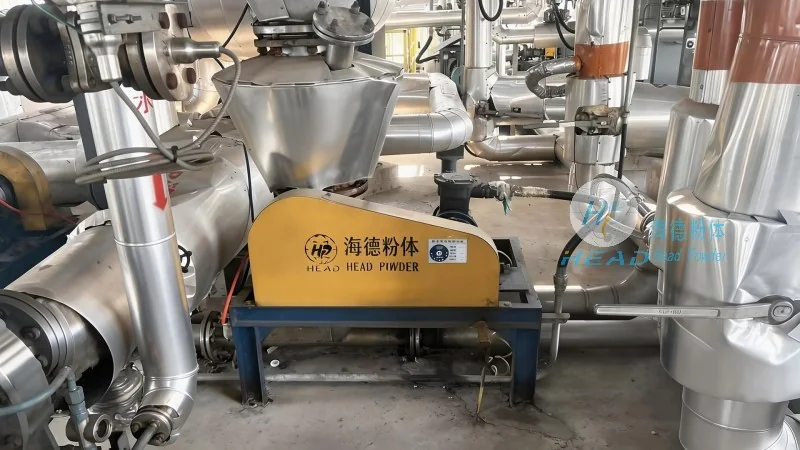
Understanding the Core Components of an Automatic Material Feeding System
An automatic material feeding system typically consists of several key components that work in tandem to achieve seamless material handling. The primary elements include a feeding hopper or bin, which stores the bulk material; a metering device, such as a gravimetric or volumetric feeder, that measures the material flow accurately; and a conveyor or transport mechanism that moves the material to the next stage of processing. Each component is designed to operate with high precision, ensuring that the correct quantity of material is delivered at the right time.
The Role of Gravimetric and Volumetric Feeders in Precision Measurement
At the heart of many automatic feeding systems are gravimetric and volumetric feeders, which are critical for achieving the required level of accuracy. Gravimetric feeders use load cells to measure the weight of material being dispensed, providing real-time feedback to adjust the flow rate. This method is particularly effective for materials with varying bulk densities or those that are prone to compaction. Volumetric feeders, on the other hand, measure material by volume, using mechanisms like screws, paddles, or rotary valves. While they are generally less expensive and simpler to maintain, they may not offer the same level of precision as gravimetric systems, especially for materials with inconsistent flow properties.
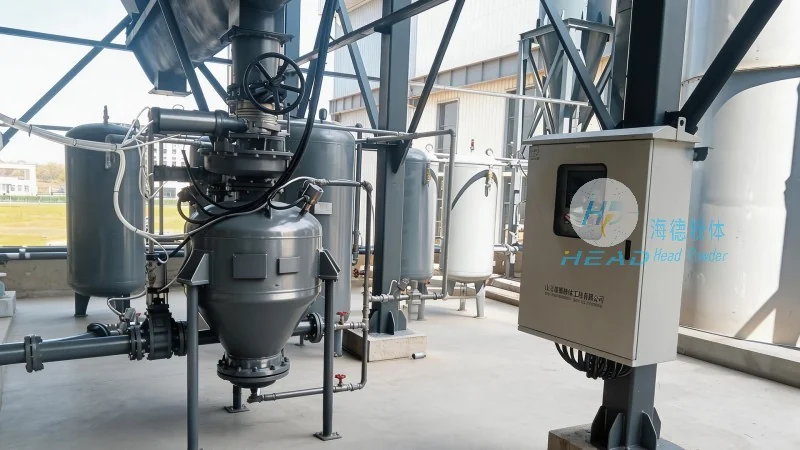
Conveyor Systems: Ensuring Smooth Material Transport
The conveyor system is another vital component that connects the feeding and processing stages. Common types include belt conveyors, screw conveyors, and pneumatic conveyors, each suited to different material characteristics and operational requirements. Belt conveyors are ideal for transporting loose or granular materials over short to medium distances, while screw conveyors are effective for handling powders and granules vertically or horizontally. Pneumatic conveyors, or air slides, use compressed air to move materials, making them suitable for dusty or hazardous environments. The choice of conveyor type depends on factors like material size, flow rate, and the need for vertical or horizontal transport.
Design Principles for Optimal Performance and Reliability
The design of an automatic material feeding and conveying system is guided by several key principles aimed at maximizing efficiency, safety, and longevity. First, the system must be designed for scalability, allowing for easy expansion or integration with existing production lines. Second, it should incorporate robust control systems that can monitor and adjust parameters in real time, ensuring consistent output. Third, the materials used in construction must be durable and resistant to corrosion or wear, particularly when handling abrasive or corrosive substances. Additionally, safety features, such as emergency stop buttons and overload protection, are essential to prevent accidents and equipment damage.
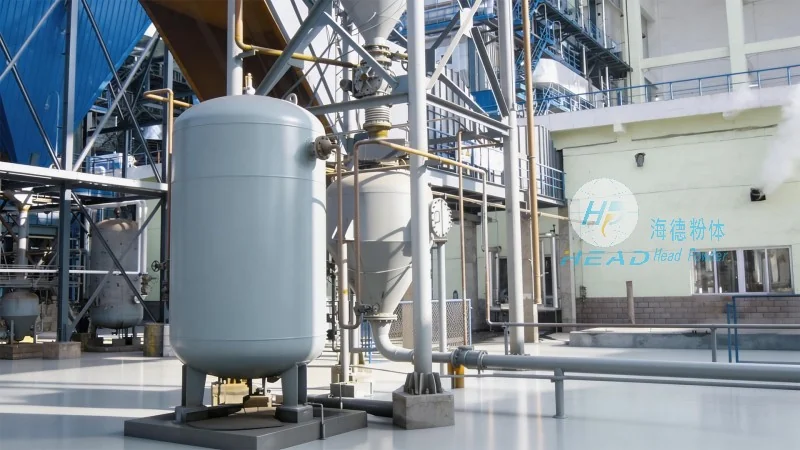
HeadPowder Engineering: A Leader in Automatic Material Handling Solutions
Shandong HeadPowder Engineering Co., Ltd., commonly known as HeadPowder, is a prominent manufacturer specializing in the design and production of automatic material feeding and conveying systems. With a strong presence in China, particularly in Shandong, the company has built a reputation for delivering high-quality, reliable equipment tailored to the needs of various industries, including food processing, pharmaceuticals, chemicals, and manufacturing. HeadPowder’s commitment to innovation and customer satisfaction has made it a trusted partner for businesses seeking to enhance their material handling capabilities.
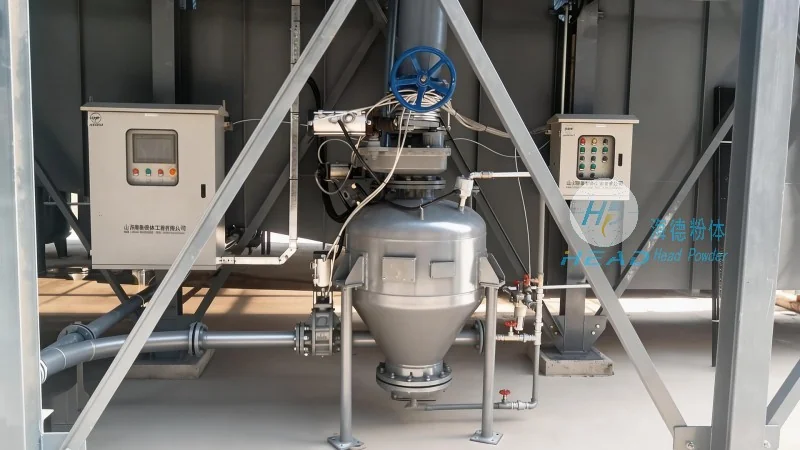
Customization and Integration: Meeting Specific Industry Requirements
One of the key advantages of HeadPowder’s systems is their ability to be customized to meet the unique requirements of different industries. Whether it’s handling sensitive food products, pharmaceutical ingredients, or industrial chemicals, the company offers tailored solutions that address specific challenges such as contamination control, hygiene standards, or material compatibility. The systems can also be integrated with existing production lines, ensuring a smooth transition and minimal disruption to operations. This flexibility makes HeadPowder’s solutions suitable for a wide range of applications, from small-scale operations to large-scale industrial facilities.
Conclusion: The Importance of Automated Material Handling in Modern Production
In conclusion, an automatic material feeding and conveying system is a critical component of modern production processes, enabling businesses to achieve higher efficiency, accuracy, and productivity. The design principles behind these systems, combined with advanced components like gravimetric feeders and robust conveyors, ensure that materials are handled with precision and reliability. Companies like Shandong HeadPowder Engineering Co., Ltd. play a vital role in providing these solutions, helping industries optimize their operations and stay competitive in today’s market. By investing in such systems, businesses can enhance their overall performance and meet the demands of a rapidly evolving industrial landscape.