

Main Air-Driven Powder Transport Structures for Mica Sand and Powder
Mica sand and powder, widely used in various industries such as ceramics, coatings, and electronics, require efficient and reliable transport solutions to ensure consistent quality and operational efficiency. Air-driven powder transport systems have emerged as a critical technology for handling these fine materials, offering advantages like dust-free operation, flexible layout, and reduced maintenance compared to traditional methods. This article explores the main air-driven powder transport structures used for mica sand and powder, highlighting their design principles, operational characteristics, and practical applications.
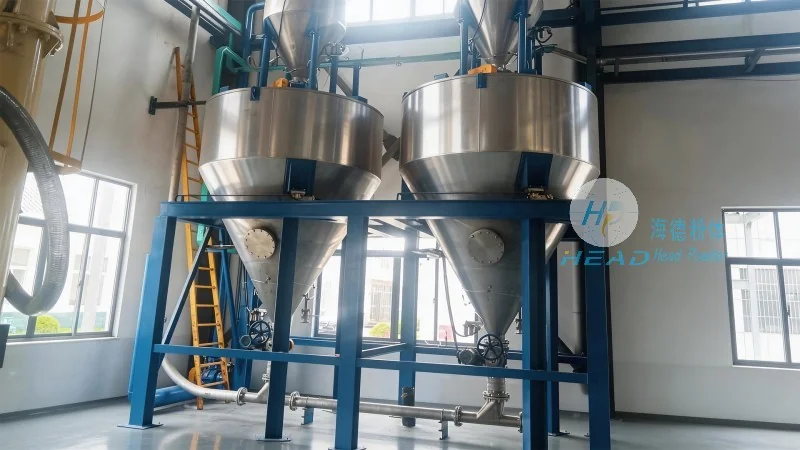
Company Overview: Shandong HeadPowder Engineering Co., Ltd.
As a leading provider in the field of powder handling technology, Shandong HeadPowder Engineering Co., Ltd. specializes in designing and manufacturing advanced air-driven transport systems tailored to the unique needs of mica sand and powder applications. With a strong focus on innovation and customer-centric solutions, HeadPowder has established itself as a trusted partner for industries seeking efficient and sustainable material transport solutions. The company’s expertise lies in understanding the specific challenges of handling fine, abrasive, or hygroscopic powders like mica sand, and developing customized systems that meet stringent industry standards.
1. Positive Pressure Air-Driven Transport System
The positive pressure air-driven transport system is a widely adopted structure for mica sand and powder transport. In this system, the conveying air is supplied under pressure, creating a positive pressure environment within the entire conveying line. The material is fed into the system at the inlet, where it is mixed with the pressurized air and then transported to the discharge point. This system is particularly suitable for applications requiring high conveying capacity, long-distance transport, or when the material needs to be delivered to multiple destinations. The positive pressure design ensures that the material is continuously pushed forward, minimizing the risk of clogging and ensuring consistent flow rates. HeadPowder’s positive pressure systems are engineered with high-quality components, such as robust blowers, efficient cyclone separators, and durable material handling equipment, to deliver reliable performance even under demanding conditions.
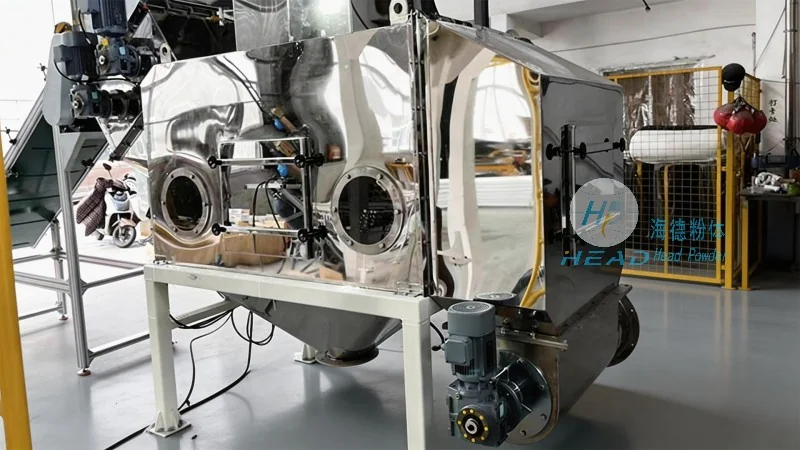
2. Negative Pressure Air-Driven Transport System
Conversely, the negative pressure air-driven transport system operates by creating a vacuum or negative pressure within the conveying line. The material is drawn into the system by the suction created by the fan or blower, and then transported to the discharge point. This system is ideal for applications where the material needs to be collected from multiple sources or where the transport line is exposed to the environment. The negative pressure design helps in controlling dust emissions and maintaining a clean working environment. HeadPowder’s negative pressure systems are designed with advanced filtration and dust collection mechanisms to ensure compliance with environmental regulations. The systems are also equipped with features like automatic shut-off and overload protection to enhance safety and operational reliability.
3. Mixed-Pressure Air-Driven Transport System
For complex transport scenarios involving both long-distance and short-distance conveying, or when the material needs to be transported to multiple points, the mixed-pressure air-driven transport system combines elements of both positive and negative pressure systems. This hybrid approach allows for flexible operation, enabling the system to switch between positive and negative pressure modes as needed. The mixed-pressure system is particularly useful in industrial settings where the transport requirements vary based on production schedules or material availability. HeadPowder’s mixed-pressure systems are engineered with intelligent control systems that optimize air pressure and flow rates, ensuring energy efficiency and minimal material loss. The systems are also designed for easy maintenance and quick adjustments to accommodate changing operational needs.
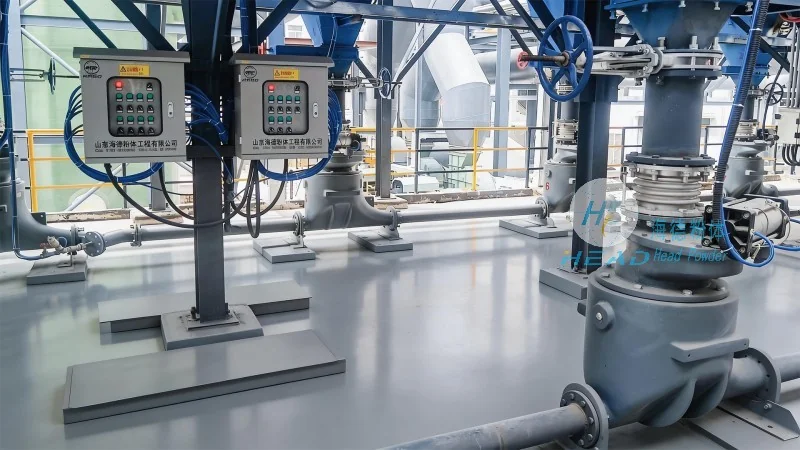
4. Cyclone Separator and Dust Collection Systems
Regardless of the type of air-driven transport structure used, the integration of efficient cyclone separators and dust collection systems is crucial for maintaining air quality and ensuring the longevity of the equipment. Cyclone separators work by using centrifugal force to separate the material from the air stream, allowing the clean air to be recycled back into the system while the material is collected for further processing. HeadPowder’s cyclone separators are designed with high efficiency and low pressure drop, ensuring optimal performance even with fine mica sand particles. The dust collection systems, often equipped with bag filters or cartridge filters, further enhance the filtration process, ensuring that the exhaust air meets environmental standards. These systems are an integral part of any air-driven transport solution, providing a comprehensive approach to material handling and environmental protection.
5. Customized Solutions for Specific Applications
HeadPowder understands that each mica sand and powder application has unique requirements, and therefore, offers customized air-driven transport structures tailored to specific needs. The company works closely with clients to assess their operational parameters, such as material characteristics, conveying distance, and production capacity, and then designs a system that meets all these criteria. Customization may include adjustments to the blower capacity, the number and size of cyclone separators, the type of material handling equipment, and the overall system layout. HeadPowder’s team of engineers and technicians brings years of experience in powder handling technology, enabling them to develop innovative solutions that address the specific challenges of each project. Whether it's a small-scale operation or a large industrial plant, HeadPowder provides tailored solutions that enhance productivity and reduce operational costs.