

Main Pneumatic Conveying Structures for Soybean and Grain Handling
When it comes to efficiently handling soybean and grain, pneumatic conveying systems offer reliable solutions that enhance operational efficiency and product integrity. These systems utilize air to transport bulk materials, providing advantages such as reduced contamination, minimal dust generation, and the ability to handle sensitive products like soybeans without damage. The effectiveness of these systems largely depends on the appropriate selection and design of the conveying structure. This article explores the main pneumatic conveying structures commonly used in soybean and grain processing, highlighting their applications and benefits. As a leading provider of engineering solutions for bulk material handling, Shandong HeadPowder Engineering Co., Ltd. specializes in designing and implementing efficient pneumatic conveying systems tailored to the needs of soybean and grain processing industries.
Types of Pneumatic Conveying Structures for Soybean and Grain
There are primarily two categories of pneumatic conveying systems: pressure and vacuum systems. Each type has distinct characteristics and is suited for different operational requirements. Pressure systems operate by forcing air and material through a pipeline under positive pressure, while vacuum systems draw material into the system using a vacuum created by a fan or blower.
Within these categories, several specific structures are commonly employed in soybean and grain handling. The most prevalent include:

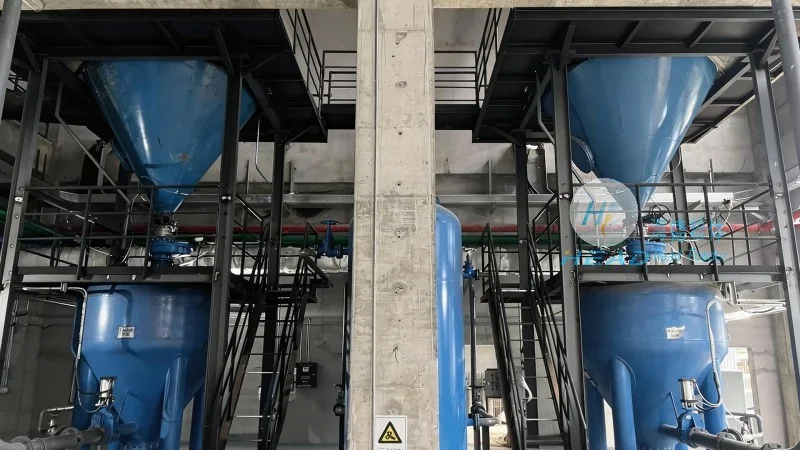
- Positive Pressure Dilute Phase Conveying: This system uses high-velocity air to suspend and transport particles through a pipeline. It is ideal for long-distance conveying and is commonly used in grain elevators and processing plants. The design typically involves a hopper, a rotary valve, and a venturi or eductor to create the necessary air flow.
- Pressure Bulk Solids Transport: Also known as dense phase conveying, this method transports material in a semi-solid state, reducing particle breakage and minimizing pressure drops. It is particularly suitable for handling delicate products like soybeans, as it maintains product quality during transport.
- Vacuum Conveying: This system uses a vacuum to draw material from a source into a collection point. It is often used for short-distance conveying and material recovery, such as in cleaning or sorting operations. The equipment includes a vacuum pump, a filter, and a collection bin.
Key Components of Pneumatic Conveying Systems
Regardless of the specific structure, pneumatic conveying systems for soybean and grain typically consist of several essential components. These include:
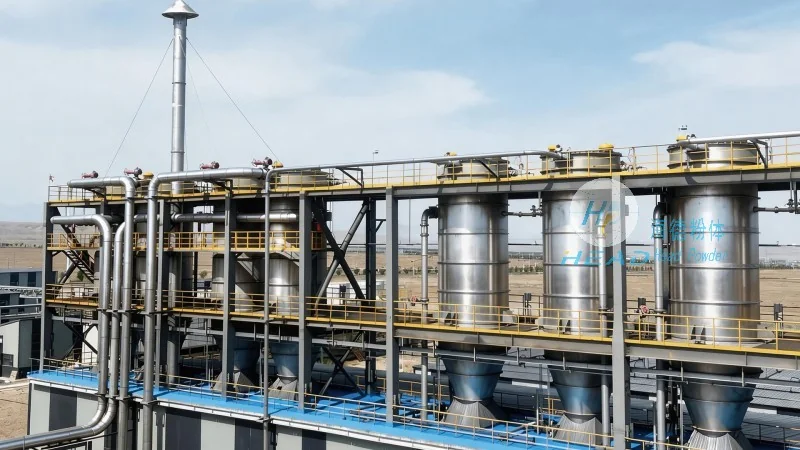
- Hoppers and Feeders: Hoppers store the material and feed it into the system at a controlled rate. Rotary valves or screw feeders are commonly used to regulate the flow of soybeans or grain into the conveying line.
- Conveying Lines: The pipeline through which the material and air travel. The material is suspended in the air stream, allowing it to be transported efficiently. The design of the pipeline, including bends and elbows, is critical to maintain system efficiency and prevent blockages.
- Blowers or Fans: These provide the necessary air pressure or vacuum to move the material. The choice of equipment depends on the system type (pressure or vacuum) and the material being conveyed.
- Filters and Cyclones: These components separate the material from the air, preventing dust and particles from being released into the environment. The collected material is then returned to the system or disposed of as needed.
- Control Systems: Modern pneumatic conveying systems often include automated control systems that monitor pressure, flow, and material levels, ensuring optimal operation and preventing system failures.
Applications in Soybean and Grain Processing
Pneumatic conveying structures are widely used in various stages of soybean and grain processing. For example, in grain elevators, they are used to transfer grain from storage bins to processing equipment. In soybean processing plants, they can transport raw soybeans from storage to grinding or extraction units. The systems are also used in cleaning and sorting operations, where vacuum conveying can effectively remove impurities from the product.
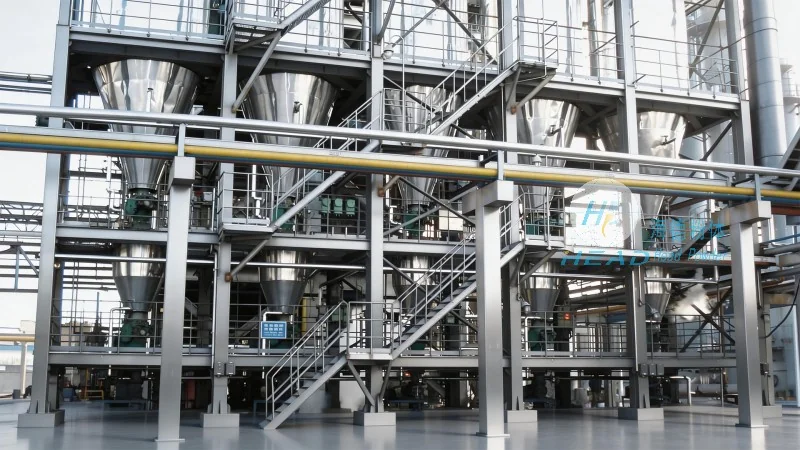
The choice of system depends on factors such as the distance to be covered, the material characteristics (e.g., particle size, moisture content), and the required product quality. For instance, dense phase conveying is preferred when the goal is to minimize product damage, while dilute phase conveying is suitable for longer distances with less sensitive materials.
Benefits of Using Pneumatic Conveying Structures
Implementing pneumatic conveying systems for soybean and grain processing offers several advantages. These include: