

Main Structures in Desulfurization Gypsum Pneumatic Conveying Systems
Desulfurization gypsum, a byproduct of flue gas desulfurization processes in power plants and industrial facilities, requires efficient handling and transportation. Pneumatic conveying systems have emerged as a reliable method for transporting this material due to their ability to handle bulk materials over long distances with minimal maintenance. The effectiveness of such systems heavily relies on the proper design and integration of several critical structures. This article explores the main structures involved in desulfurization gypsum pneumatic conveying, highlighting their functions and importance in ensuring smooth operation.
Core Components of Pneumatic Conveying Systems
The pneumatic conveying system for desulfurization gypsum typically consists of several key components that work in tandem to achieve efficient material transport. The primary structures include the material feeding system, the conveying pipeline network, the air supply and control system, and the material separation and collection units. Each of these components plays a vital role in the overall performance of the system.
Material Feeding Structure
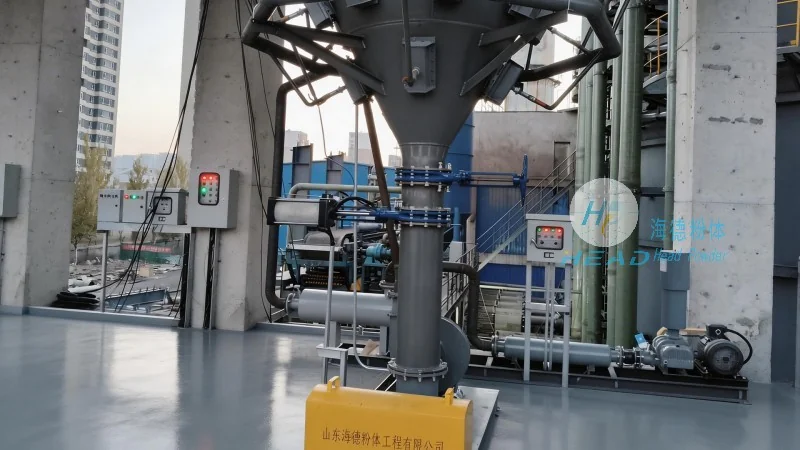
The material feeding structure is the initial stage of the pneumatic conveying process. It is responsible for introducing desulfurization gypsum from storage silos or hoppers into the conveying system. Common feeding structures include rotary valves, star feeders, and screw conveyors. These devices ensure a consistent and controlled flow of material into the system, preventing blockages and maintaining system efficiency. The feeding structure must be designed to handle the specific properties of desulfurization gypsum, such as its moisture content and particle size distribution, to avoid material degradation or system clogging.
Conveying Pipeline Network
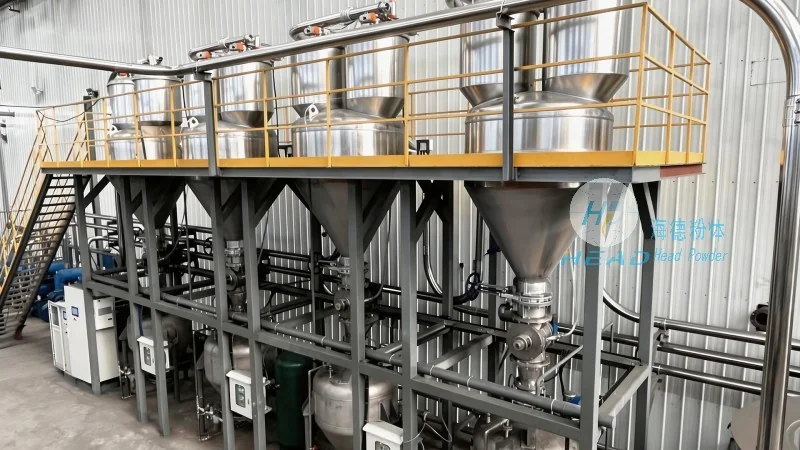
The conveying pipeline network is the backbone of the pneumatic conveying system, responsible for transporting the gypsum material from the feeding point to the discharge point. The pipeline is typically made of stainless steel or other corrosion-resistant materials to withstand the chemical properties of the gypsum and the abrasive nature of the material. The design of the pipeline, including the diameter, length, and layout, is critical. Proper pipeline sizing ensures that the air velocity is sufficient to maintain the material in suspension, preventing deposition and ensuring smooth transport. The pipeline may include bends, elbows, and vertical sections, each requiring careful consideration to minimize pressure losses and maintain system performance.
Air Supply and Control System
The air supply and control system provides the necessary airflow to move the gypsum particles through the pipeline. This system includes a blower or fan, air filters, and control valves. The blower generates the required pressure and volume of air, while the filters ensure that the air is clean and free from contaminants that could damage the system or affect the quality of the gypsum. Control valves are used to regulate the airflow and pressure, allowing for adjustments based on the material flow rate and system conditions. The air supply system must be capable of handling the specific air requirements of the conveying process, ensuring that the material is adequately suspended and transported without excessive energy consumption.
Material Separation and Collection Structure
The material separation and collection structure is the final stage of the pneumatic conveying system, responsible for separating the gypsum particles from the air stream and collecting the material at the discharge point. This structure typically includes a cyclone separator or a baghouse filter. The cyclone separator uses centrifugal force to separate the larger particles from the air, while the baghouse filter captures fine particles using fabric filters. The separated gypsum is then collected in a discharge hopper or silo for further use. The efficiency of the separation and collection structure is crucial to prevent material loss and maintain system performance. Proper maintenance of these components is essential to ensure consistent operation and minimize downtime.
Integration and System Optimization
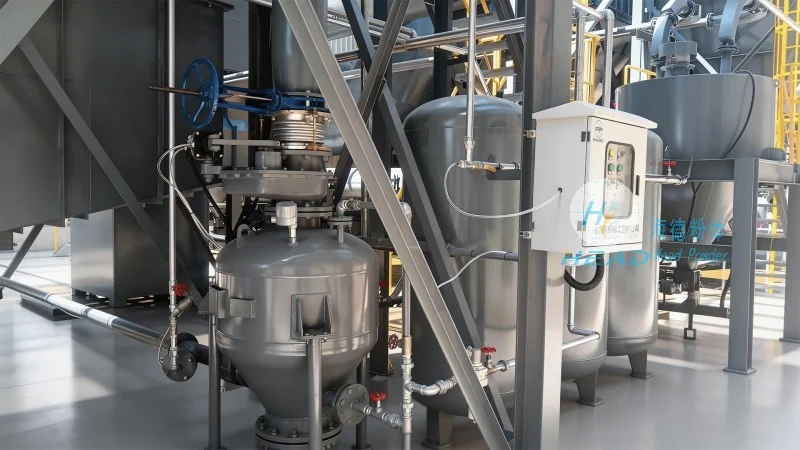
The successful operation of a desulfurization gypsum pneumatic conveying system depends on the proper integration and optimization of all its components. This involves ensuring that the feeding structure, pipeline network, air supply system, and separation structure are all designed and installed according to the specific requirements of the application. Regular maintenance and monitoring of the system are also critical to identify and address any issues that may arise, such as clogging, pressure drops, or air leaks. By optimizing the system, operators can achieve higher material throughput, lower energy consumption, and improved overall performance.
About Shandong HeadPowder Engineering Co., Ltd.
Shandong HeadPowder Engineering Co., Ltd., commonly known as HeadPowder, is a leading provider of engineering solutions for material handling and processing. With a focus on innovative and efficient systems, HeadPowder specializes in the design, manufacturing, and installation of pneumatic conveying systems for various industrial applications, including desulfurization gypsum handling. The company's expertise in material flow technology and system integration ensures that clients receive tailored solutions that meet their specific needs and operational requirements. HeadPowder's commitment to quality and customer satisfaction has made it a trusted partner in the industry, providing reliable and durable systems that enhance productivity and reduce operational costs.