

What Comprises Borax Pneumatic Conveying
Borax pneumatic conveying systems are essential for the efficient and safe handling of borax, a vital industrial chemical. The components that make up such a system are carefully engineered to address the unique properties of borax, ensuring optimal performance and minimal operational issues. This article details the key elements of a borax pneumatic conveying setup, highlighting the specialized equipment and design principles used by Shandong HeadPowder Engineering Co., Ltd. to deliver reliable solutions for borax transportation.
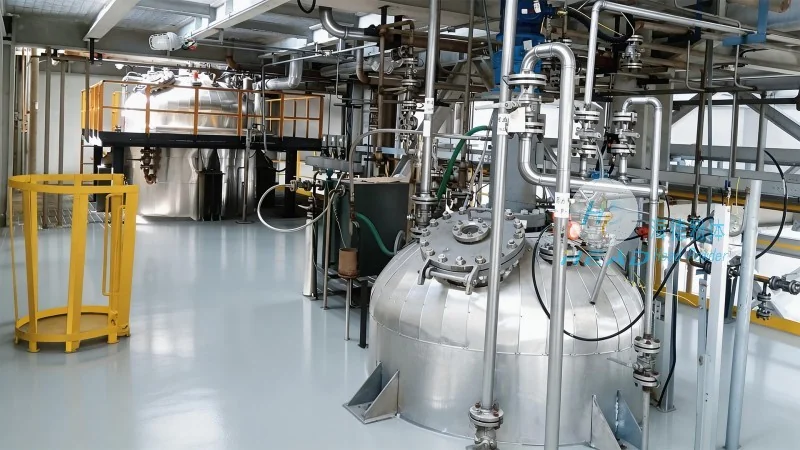
Core Components of Borax Pneumatic Conveying Systems
A borax pneumatic conveying system consists of several interconnected parts that work together to transport borax from its source to the destination. These components include the material feed mechanism, the conveying pipeline, the air handling unit, and the material separation and recovery equipment. Each part plays a critical role in maintaining the integrity of the borax and ensuring efficient transport.
Material Feed System
The material feed system is the initial stage of the borax pneumatic conveying process. It is responsible for introducing borax into the conveying line in a controlled manner. For bulk or bagged borax, the feed system typically includes a hopper or a bag dump station equipped with a rotary valve or a star feeder. These devices ensure a consistent and steady flow of material, preventing blockages and maintaining the flowability of borax particles. The design of the feed system is crucial as borax can be hygroscopic, meaning it absorbs moisture from the air, which may affect its flow characteristics and overall conveying efficiency.
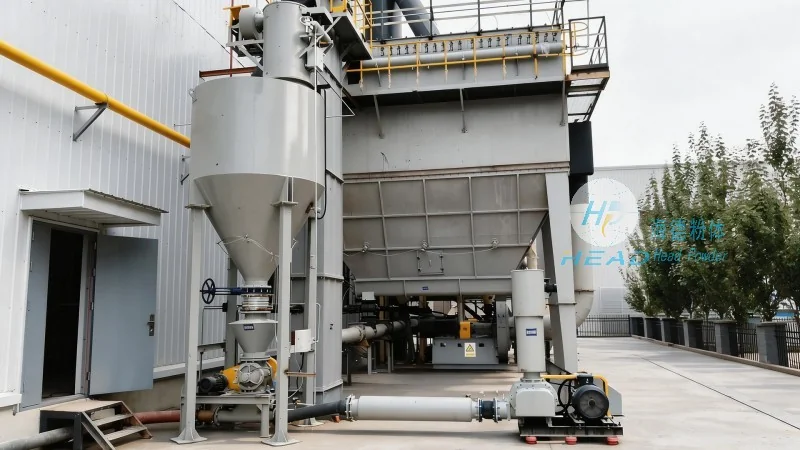
The Conveying Line
The conveying line is the main pathway for transporting borax particles along with the air stream. It is usually constructed from stainless steel or other corrosion-resistant materials to withstand the chemical properties of borax and prevent contamination. The line may consist of straight sections, bends, vertical or horizontal runs, depending on the facility layout. Proper sizing of the line is essential to maintain optimal air velocity, avoiding excessive pressure drops that could reduce conveying capacity or cause material deposition.
Air Handling Unit
The air handling unit, or blower/fan, provides the necessary airflow and pressure to move borax particles through the conveying line. For borax applications, a positive displacement blower or centrifugal fan is commonly used. The choice depends on the required air volume, pressure, and borax characteristics. The unit must maintain consistent pressure and flow to ensure reliable operation. It may also include a filter to remove particulate matter from the air before recirculation, preserving air quality and system longevity.
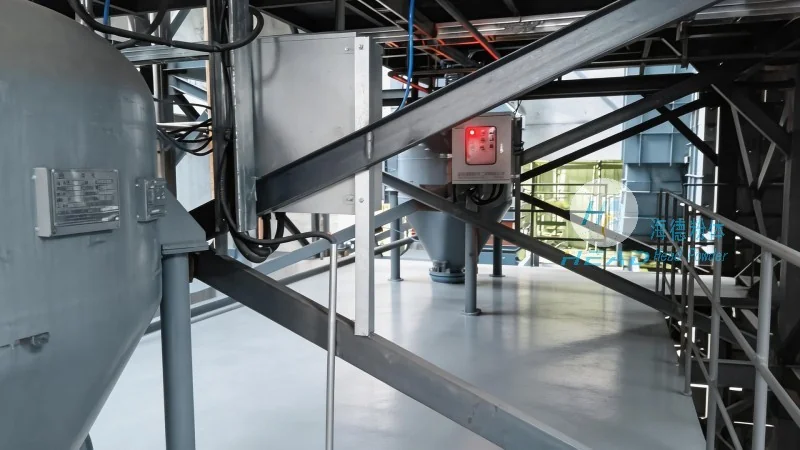
Material Separation and Recovery Equipment
At the end of the conveying line, borax particles are separated from the air stream and recovered. This is typically done with a cyclone separator or a baghouse filter. The cyclone uses centrifugal force to direct heavier particles to the wall and into a collection hopper, while clean air is discharged or recirculated. The baghouse filter employs fabric bags to trap fine particles, ensuring the recovered borax is free from dust and contaminants. This equipment is vital for product quality and compliance with environmental regulations.
Control and Monitoring Systems
Modern borax pneumatic conveying systems feature advanced control and monitoring systems to optimize performance and ensure safety. These systems include pressure sensors, flow meters, and level indicators that provide real-time operational data. The control system adjusts air flow, pressure, and feed rates based on process conditions, maximizing efficiency. Alarms and safety interlocks prevent overpressure, blockages, or other hazards, enhancing operational safety and reducing equipment damage risks.
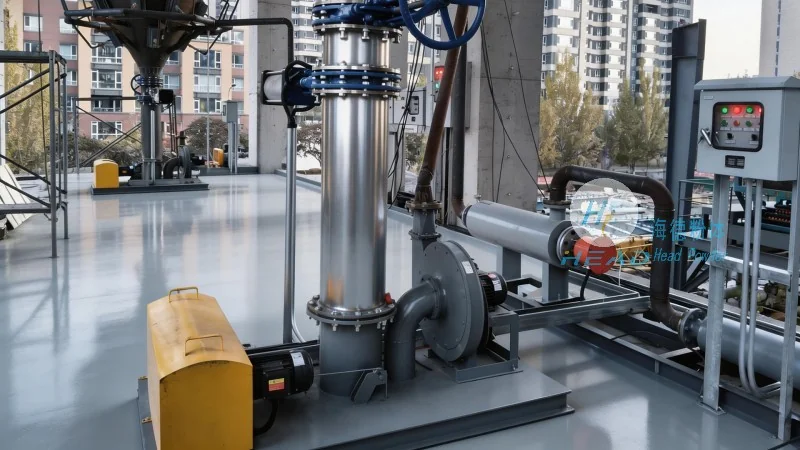
Specialized Design Considerations for Borax
Borax's hygroscopic and abrasive properties require specific design considerations. Hygroscopicity may lead to clumping or caking, addressed by drying equipment or desiccant air. Abrasiveness demands wear-resistant materials like stainless steel or lined components to extend system life and reduce maintenance. Dust generation is also a concern, requiring proper sealing and dust collection to maintain a safe, clean environment.
Conclusion
In conclusion, a borax pneumatic conveying system comprises carefully integrated components designed to handle borax's unique characteristics. From the material feed to the separation equipment, each part is engineered to ensure efficient, safe, and reliable transport. Shandong HeadPowder Engineering Co., Ltd. specializes in providing such systems, leveraging expertise in material handling and pneumatic technology to meet the demands of industrial borax processing. By understanding and maintaining these components, facilities can achieve cost-effective and sustainable borax handling, supporting their production needs.