

Comparison of Positive Pressure and Negative Pressure Conveying for Denitrification Fly Ash: A Compa
Denitrification fly ash, a byproduct of flue gas desulfurization and denitrification processes in power plants, requires efficient and reliable transport systems to ensure proper disposal or utilization. Pneumatic conveying is a widely adopted method for handling such fine powders, with two primary approaches: positive pressure and negative pressure systems. This article provides a detailed comparison of these two methods, highlighting their advantages, disadvantages, and suitability for different applications, while also introducing the expertise of Shandong HeadPowder Engineering Co., Ltd. in providing advanced solutions for industrial material handling.
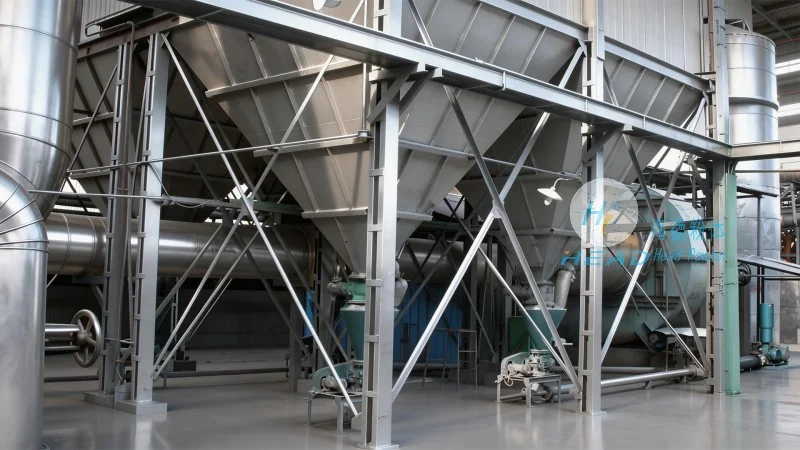
Overview of Pneumatic Conveying Systems
Pneumatic conveying systems use air or gas to transport bulk materials through a pipeline network. The two main categories are positive pressure (or pressure) systems and negative pressure (or vacuum) systems. Each method operates on distinct principles, influencing factors such as material characteristics, system complexity, and operational costs.
Positive Pressure Conveying for Denitrification Fly Ash
Positive pressure conveying systems operate by blowing air or gas into the pipeline, creating a pressure higher than the ambient air pressure. This method is particularly effective for transporting materials with high moisture content or those that are prone to caking, as the pressurized air helps maintain material flow and prevents blockages. For denitrification fly ash, which is typically a fine, dry powder, positive pressure systems can offer several benefits. The high air velocity generated by the blower ensures that the ash particles are fully suspended and transported efficiently. Additionally, positive pressure systems are generally more robust and less susceptible to external air infiltration, which can be a concern in environments with high dust levels. However, they may require more maintenance due to the higher stress on components like blowers and pipelines, and the higher energy consumption compared to negative pressure systems.
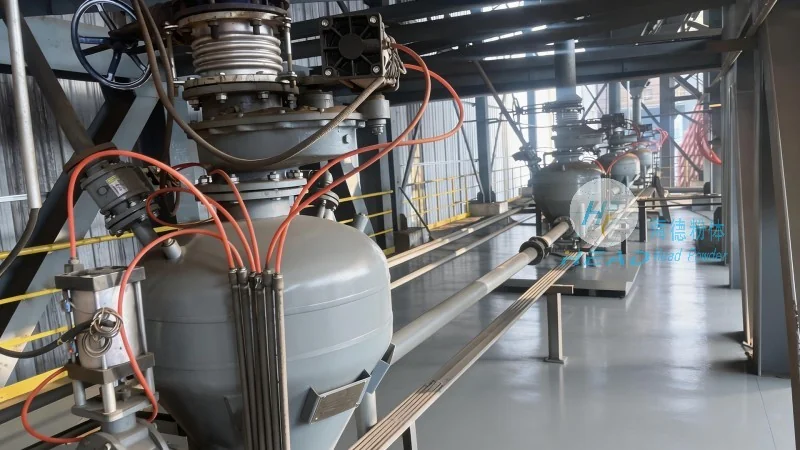
Negative Pressure Conveying for Denitrification Fly Ash
Negative pressure conveying systems, also known as vacuum systems, operate by creating a vacuum in the pipeline, drawing material from the source into the system. This approach is often preferred for applications where the material is to be collected from multiple points or where the source is located at a higher elevation. For denitrification fly ash, negative pressure systems can be advantageous in scenarios where the ash is generated at a central point and needs to be transported to a distant storage or processing facility. The vacuum created by the system ensures that the ash is drawn into the pipeline without the need for external pressure, reducing the risk of dust emissions at the source. However, negative pressure systems are more prone to air leakage and can be less efficient for transporting materials with high moisture content or those that are prone to bridging. The vacuum pumps used in these systems also require regular maintenance to ensure optimal performance.
Comparative Analysis: Positive vs. Negative Pressure Conveying
When evaluating the suitability of positive versus negative pressure conveying for denitrification fly ash, several factors must be considered. The choice often depends on the specific characteristics of the ash, the distance and elevation changes between the source and destination, and the environmental regulations governing dust control. Positive pressure systems are generally more suitable for short to medium-distance transport, where high material flow rates are required, and where the material is relatively dry and free-flowing. They are also preferred when the system is located in an area with high ambient dust levels, as the sealed pipeline prevents external air from entering. Negative pressure systems, on the other hand, are better suited for long-distance or elevated transport, where the source is at a higher elevation or where the material needs to be collected from multiple points. They are also advantageous in applications where dust emission control is a critical concern, as the system draws material into the pipeline rather than expelling it. However, negative pressure systems may require more complex filtration systems to prevent air leakage and maintain the vacuum, which can increase operational costs.
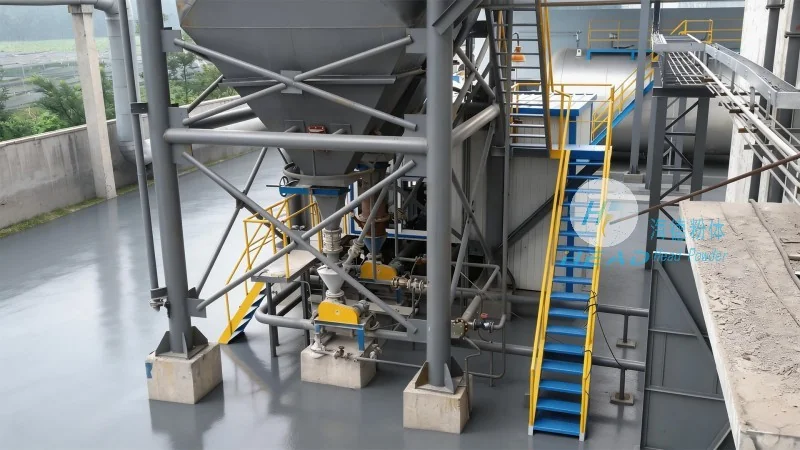
Shandong HeadPowder Engineering Co., Ltd.: Expertise in Pneumatic Conveying Solutions
Shandong HeadPowder Engineering Co., Ltd. is a leading provider of industrial material handling solutions, specializing in the design, manufacturing, and installation of pneumatic conveying systems for various applications, including denitrification fly ash transport. With years of experience in the field, the company has developed a comprehensive range of products tailored to meet the unique needs of power plants and other industrial facilities. HeadPowder engineers work closely with clients to assess their specific requirements, including material characteristics, transport distances, and environmental regulations, to recommend the most appropriate conveying system. The company’s solutions are designed to ensure high efficiency, low maintenance, and compliance with industry standards, providing reliable and cost-effective transport of denitrification fly ash. By leveraging advanced technology and a deep understanding of material behavior, HeadPowder helps clients optimize their material handling processes and reduce operational costs.
Conclusion
In conclusion, both positive pressure and negative pressure pneumatic conveying systems offer viable options for transporting denitrification fly ash, each with its own set of advantages and limitations. The choice between the two depends on the specific application requirements, including material properties, transport distance, and environmental considerations. Positive pressure systems are generally more suitable for short-distance, high-flow applications, while negative pressure systems are better for long-distance or elevated transport. Shandong HeadPowder Engineering Co., Ltd. provides expert guidance and customized solutions to help clients select and implement the most appropriate conveying system, ensuring efficient and reliable transport of denitrification fly ash. By choosing HeadPowder, clients can benefit from advanced technology, professional expertise, and reliable service, enhancing their material handling operations and contributing to a more sustainable industrial environment.