

[Sweet Potato Positive Pressure and Negative Pressure Conveying: A Comparative Analysis of Two Pneum
HeadPowder, a leading engineering company based in Shandong, China, specializes in the design and implementation of advanced material handling solutions. In the context of sweet potato processing, the choice between positive pressure and negative pressure pneumatic conveying systems is a critical decision for manufacturers aiming to optimize efficiency and operational costs. This article provides a detailed comparison of these two methods, highlighting their distinct characteristics, advantages, and practical applications in the sweet potato industry.
Introduction to Pneumatic Conveying Systems
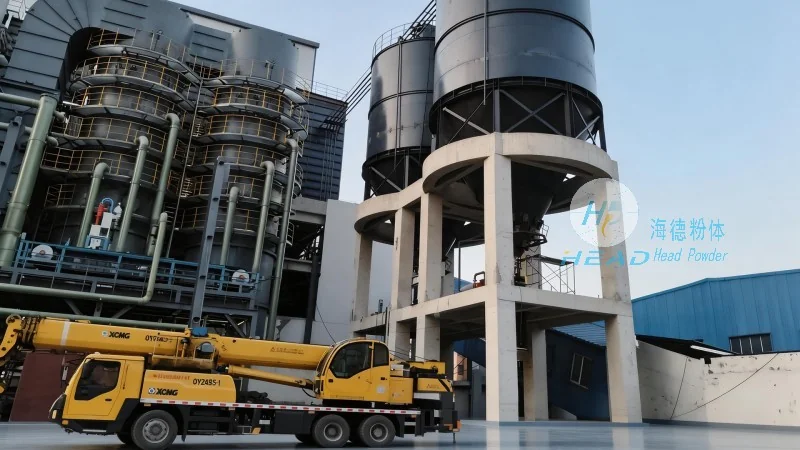
Pneumatic conveying is a widely used technique for transporting bulk materials like sweet potatoes over short to medium distances. It involves the use of air or gas to move particles through a pipeline system. The two primary types of pneumatic conveying are positive pressure and negative pressure systems, each with unique operational principles and suitability for different production environments.
Positive Pressure Conveying: Advantages and Applications
Positive pressure conveying operates by blowing air or gas into the material to be transported, creating a pressure higher than the ambient air. This method is particularly effective for conveying sweet potatoes from a central source to multiple destinations or for long-distance transport. One of the key advantages of positive pressure systems is their ability to handle a wide range of material properties, including sticky or abrasive materials like sweet potatoes, without causing excessive wear on the system components. The high pressure also ensures consistent flow rates, which is crucial for maintaining production line stability.
From an operational perspective, positive pressure systems are generally easier to maintain and repair. The positive pressure environment reduces the risk of dust accumulation and contamination, which is vital in food processing facilities where hygiene standards are stringent. Additionally, these systems can be integrated with multiple discharge points, allowing for flexible material distribution across a processing plant. However, they may require more robust equipment and higher energy consumption compared to negative pressure systems, especially when dealing with large volumes of sweet potatoes.
Negative Pressure Conveying: Characteristics and Use Cases
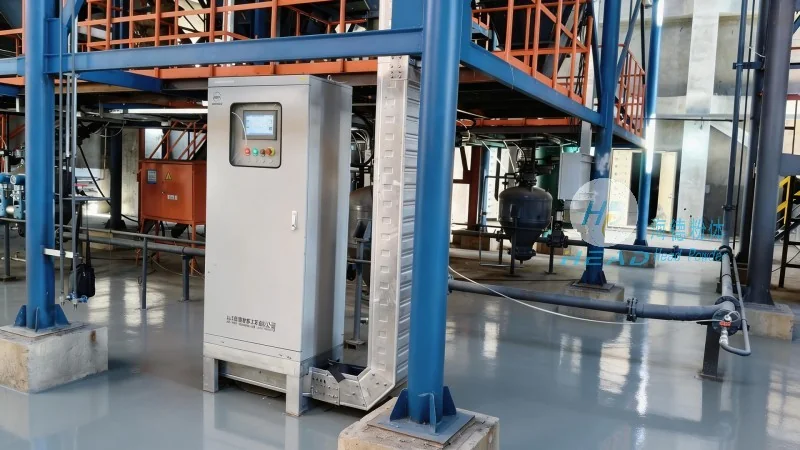
Negative pressure conveying, also known as vacuum conveying, works by creating a vacuum in the pipeline to draw material from the source. This method is ideal for short-distance transport and for handling materials that are sensitive to pressure changes or that require gentle handling. For sweet potato processing, negative pressure systems are often preferred when the material needs to be conveyed from a single point to a central processing unit, such as a washing or peeling station.
A significant advantage of negative pressure systems is their lower energy consumption and reduced noise levels compared to positive pressure systems. The vacuum process is more energy-efficient, making it a cost-effective solution for smaller-scale operations or for transporting lighter materials. Moreover, negative pressure conveying is less likely to cause material degradation due to the lower pressure differentials, which is beneficial for preserving the quality of sweet potatoes during transport.
However, negative pressure systems have limitations, particularly when dealing with large volumes or abrasive materials. The vacuum can lead to higher wear on the suction side components, and the system may be more susceptible to blockages if the material contains foreign objects or high moisture content. In such cases, positive pressure systems often prove more reliable and efficient.
Key Considerations for Choosing Between the Two Systems
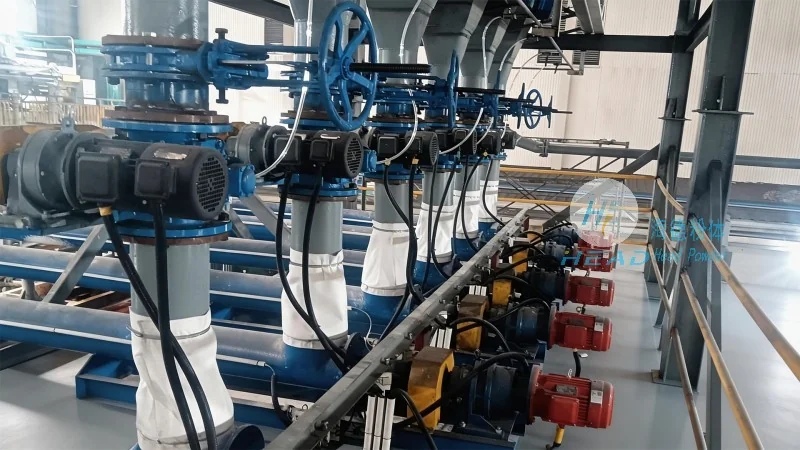
The decision between positive and negative pressure pneumatic conveying for sweet potato transport depends on several factors, including the production scale, material characteristics, and operational environment. For large-scale processing plants with multiple processing stages, positive pressure systems may offer greater flexibility and reliability. Conversely, smaller operations or those focusing on preserving the quality of sweet potatoes may find negative pressure systems more suitable.
Another critical factor is the distance and number of discharge points. Positive pressure systems are better suited for long-distance or multi-point distribution, while negative pressure systems are more efficient for short-distance, single-point transport. The cost of installation and maintenance also plays a role; positive pressure systems typically require more expensive components but offer longer operational lifespans, whereas negative pressure systems are less costly to install but may need more frequent maintenance.
Conclusion
Both positive pressure and negative pressure pneumatic conveying systems have their place in sweet potato processing, and the optimal choice depends on the specific requirements of the operation. HeadPowder, with its expertise in material handling engineering, can provide tailored solutions that maximize efficiency and minimize operational costs. By understanding the distinct advantages and limitations of each system, manufacturers can make informed decisions that enhance their processing capabilities and ensure the quality of their sweet potato products.