

Oat Positive Pressure Conveying vs. Negative Pressure Conveying: A Comparative Analysis of Two Pneum
When it comes to transporting oats and other bulk materials efficiently, the choice between positive pressure and negative pressure pneumatic conveying systems is a critical decision for many industries. As a leading manufacturer in the field, Shandong HeadPowder Engineering Co., Ltd., based in Shandong, China, understands the nuances of these technologies and offers comprehensive solutions tailored to specific operational needs. This article provides a detailed comparison of positive pressure and negative pressure conveying systems, focusing on their applications, advantages, and limitations in the context of oat handling.
Understanding Pneumatic Conveying Systems
Pneumatic conveying systems are widely used in the food processing industry, including the handling of oats, due to their ability to transport dry bulk materials without direct contact with mechanical components. These systems rely on the movement of air or other gases to transport materials through a pipeline network. The two primary types are positive pressure and negative pressure systems, each with distinct operational principles and suitability for different scenarios.
Positive Pressure Conveying Systems
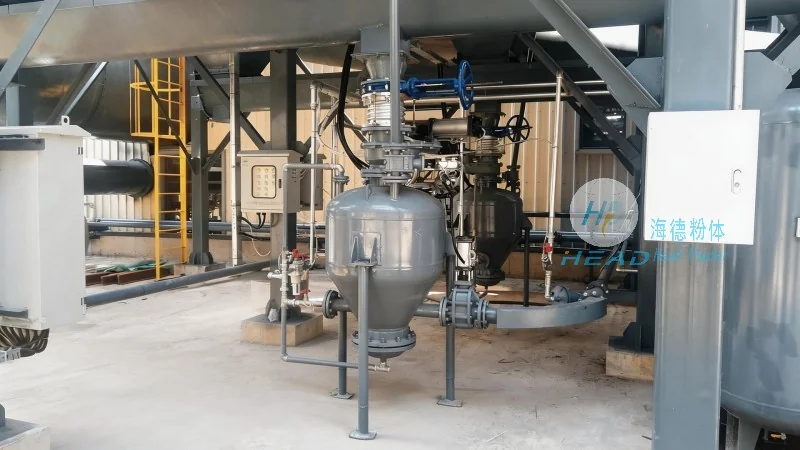
Positive pressure conveying systems operate by blowing air or a gas mixture into the conveying line, creating a pressure higher than the ambient air pressure. This method propels the material through the pipeline by maintaining a continuous flow of air at a pressure above atmospheric levels. In the context of oat handling, positive pressure systems are often preferred for applications requiring high material throughput and long-distance transport. The high pressure ensures that the material is consistently moved through the system, reducing the risk of blockages and ensuring reliable performance. Shandong HeadPowder Engineering Co., Ltd. specializes in designing and manufacturing positive pressure conveying equipment that meets the stringent requirements of the food industry, including compliance with hygiene standards and efficient material handling.
Negative Pressure Conveying Systems
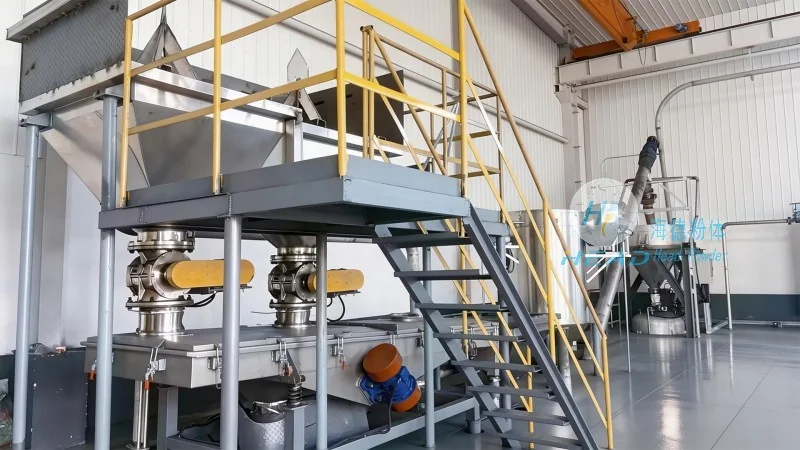
Negative pressure conveying systems, on the other hand, work by creating a vacuum or lower pressure inside the conveying line compared to the ambient air. This creates a suction effect that draws the material into the pipeline. Negative pressure systems are typically more suitable for shorter transport distances and applications where the material is less abrasive or where the risk of dust emission is a concern. They are often used in environments where maintaining a clean and dust-free operation is paramount. The design of negative pressure systems focuses on minimizing air leakage and ensuring efficient material capture to prevent product loss or contamination.
Key Differences and Performance Metrics
When comparing positive and negative pressure conveying systems for oat handling, several factors come into play. The primary difference lies in the pressure differential and the direction of air flow. Positive pressure systems use higher pressure to push material, while negative pressure systems use lower pressure to pull material. This affects the system's energy consumption, as positive pressure systems generally require more power due to the need to maintain higher air pressure. However, they offer advantages in terms of material handling capacity and the ability to handle more abrasive or sticky materials without significant wear on the equipment. Negative pressure systems, while more energy-efficient for shorter distances, may require more maintenance to prevent dust buildup and ensure consistent suction performance.
Application Considerations for Oat Processing
The choice between positive and negative pressure conveying systems for oats depends on several operational factors. For instance, in large-scale oat processing facilities where material is transported over long distances or through multiple processing stages, positive pressure systems may be more economical and reliable. They can handle higher volumes of material and maintain consistent flow rates, which is crucial for maintaining production efficiency. Conversely, in smaller-scale operations or for transporting oats from a storage silo to a processing unit over short distances, negative pressure systems may be sufficient and cost-effective. The decision also considers the nature of the oat material, such as its moisture content, particle size, and potential for dust generation. Oats with higher moisture content or finer particles may require more robust conveying systems to prevent clogging or material degradation.
Advantages and Limitations of Each System
Positive pressure conveying systems offer several advantages, including higher material throughput, the ability to handle abrasive materials, and reduced risk of product degradation due to less exposure to air. They are also more forgiving in terms of system design, as they can accommodate longer pipelines and more complex layouts. However, these systems have limitations, such as higher energy consumption and the potential for increased dust emission if not properly sealed. Negative pressure systems excel in energy efficiency for shorter distances and provide a cleaner operation by containing dust within the system. Their limitations include higher maintenance requirements to prevent air leaks and potential issues with material blockages in the suction line.
Conclusion and Recommendations
Both positive and negative pressure pneumatic conveying systems have their place in oat handling operations, and the optimal choice depends on specific operational requirements, such as distance, material characteristics, and energy efficiency goals. Shandong HeadPowder Engineering Co., Ltd. provides tailored solutions that consider these factors, ensuring that clients select the most appropriate system for their needs. By understanding the differences in operational principles, performance metrics, and application suitability, businesses can make informed decisions that enhance operational efficiency and maintain product quality. Whether opting for positive or negative pressure conveying, the goal is to achieve reliable, efficient, and cost-effective material transport, which is essential for successful oat processing and handling.