

[Dye Positive Pressure and Negative Pressure Conveying: A Comparative Analysis of Two Pneumatic Conv
Shandong HeadPowder Engineering Co., Ltd. is a professional manufacturer specializing in pneumatic conveying systems, with a focus on dye handling solutions. The company is located in Shandong, China, and has extensive experience in the field of material transport technology. This article provides a detailed comparison of positive pressure and negative pressure conveying methods, which are commonly used in the dye industry, to help clients select the most suitable system for their specific needs.
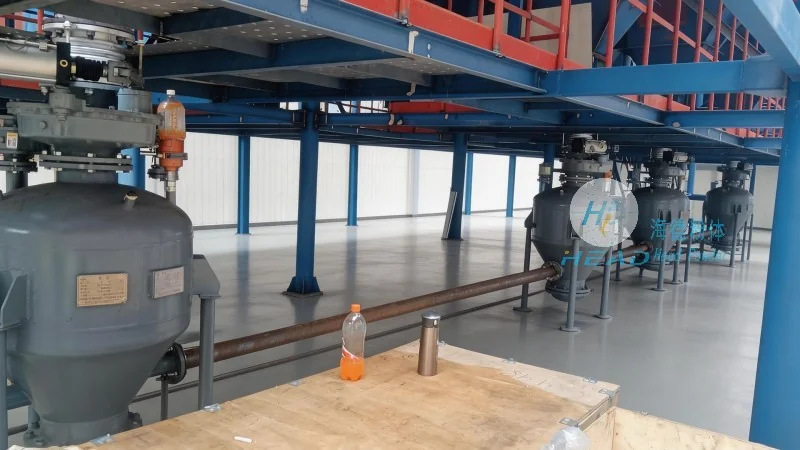
Positive Pressure Conveying Systems
Positive pressure conveying systems operate by forcing air or gas through the material to be transported, maintaining a positive pressure throughout the pipeline. This method ensures continuous material flow and is particularly effective for handling abrasive or large particles. The primary advantage of positive pressure systems is their high conveying capacity, making them ideal for long-distance transport and high-volume applications. Additionally, they can handle a wide range of materials, including dense and heavy dyes, without significant degradation. The system typically uses a positive displacement blower or a centrifugal fan to generate the necessary pressure, which is maintained by a pressure regulator. However, positive pressure systems may require more energy and can be more complex to install and maintain due to the need for robust seals and pressure-resistant components.
Negative Pressure Conveying Systems
Negative pressure conveying systems, also known as vacuum conveying, work by creating a vacuum in the pipeline to draw the material into the system. This method is often preferred for delicate or fine materials that could be damaged by positive pressure. The advantages of negative pressure conveyors include gentler handling of materials, lower energy consumption for short distances, and easier cleaning of the system. The main disadvantages are lower conveying capacity compared to positive pressure systems and limitations in handling abrasive or heavy materials over long distances. The system relies on a vacuum pump to create the negative pressure, which is regulated by a vacuum controller to maintain consistent suction. Negative pressure systems are typically more compact and require less space, making them suitable for applications with limited installation room.
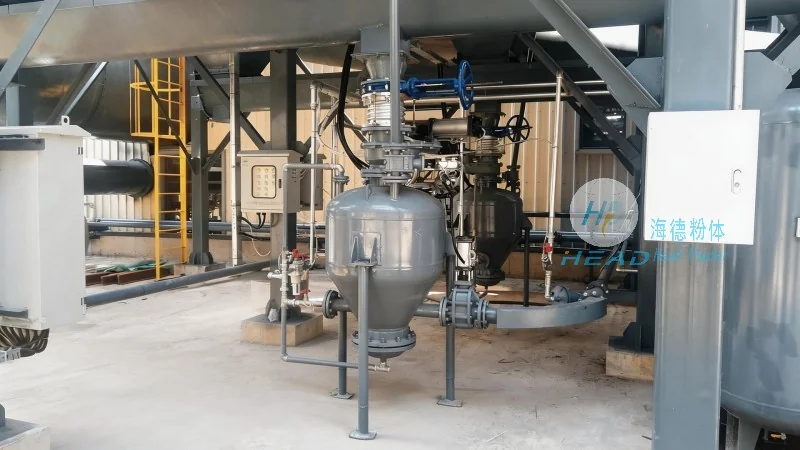
Key Differences and Considerations
When comparing positive and negative pressure conveying for dye applications, several factors must be considered. The choice depends on the specific characteristics of the dye, such as particle size, moisture content, and abrasiveness. For example, fine dyes with low abrasiveness may be better suited for negative pressure systems to prevent material degradation. Conversely, larger or more abrasive dye particles might benefit from the robustness of positive pressure systems. Additionally, the distance and layout of the conveying system influence the decision. Long-distance transport often favors positive pressure due to its higher capacity and ability to maintain flow, while short-distance, low-volume applications might use negative pressure for its simplicity and gentleness. The operational environment, including ambient temperature and humidity, also plays a role, as some systems may require additional moisture control measures.
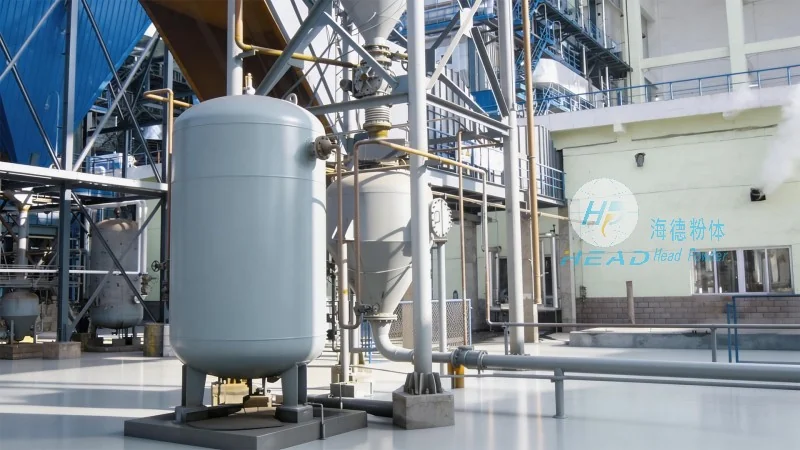
Customized Solutions by Shandong HeadPowder Engineering Co., Ltd.
Shandong HeadPowder Engineering Co., Ltd. designs and manufactures customized pneumatic conveying solutions tailored to the unique needs of dye manufacturers. The company's engineers assess the properties of the dye, the required conveying distance, and the operational environment to recommend the most efficient system. For instance, a client with a large-scale dye production facility requiring long-distance transport might opt for a positive pressure system with multiple inlets and a high-capacity blower. In contrast, a smaller facility handling fine, sensitive dyes might choose a negative pressure system with a vacuum pump and specialized filters to protect the material. The company also provides maintenance and support services to ensure the longevity and reliability of the conveying systems, helping clients achieve optimal performance and reduce downtime.
Conclusion
Both positive and negative pressure pneumatic conveying methods have their distinct advantages and are suitable for different dye handling scenarios. Understanding the material properties and operational requirements is crucial for selecting the optimal conveying system. Shandong HeadPowder Engineering Co., Ltd. provides expert consultation and tailored solutions to ensure efficient and reliable dye transport, enhancing productivity and reducing operational costs for clients in the dye industry. By choosing the right pneumatic conveying system, dye manufacturers can improve their processing efficiency, maintain product quality, and achieve sustainable operations.