

Technical Analysis of Calcium Oxide Pneumatic Conveying Systems: Comparison of Positive Pressure and
When it comes to efficiently transporting calcium oxide, selecting the right pneumatic conveying system is crucial for optimizing industrial processes. This article provides a technical analysis of the two primary modes—positive pressure and negative pressure—and compares their applications, advantages, and limitations. By understanding these systems, businesses can make informed decisions to enhance operational efficiency and reduce costs.

Introduction to Pneumatic Conveying Systems for Calcium Oxide
Calcium oxide, commonly known as quicklime, is a versatile chemical widely used in construction, steel production, and environmental remediation. Its handling requires specialized equipment due to its reactivity and dust generation. Pneumatic conveying systems offer a solution by transporting the material through a pipeline using air or gas as the conveying medium. These systems are designed to handle bulk materials like calcium oxide, ensuring safe and efficient movement from storage to processing units.
HeadPowder Engineering: Your Partner in Pneumatic Conveying Solutions
Shandong HeadPowder Engineering Co., Ltd. specializes in designing and manufacturing advanced pneumatic conveying systems tailored to the unique needs of calcium oxide handling. With years of experience in the industry, HeadPowder provides customized solutions that meet the specific requirements of clients, ensuring reliability and performance. The company's expertise lies in understanding the material properties of calcium oxide and selecting the most suitable conveying mode for each application.
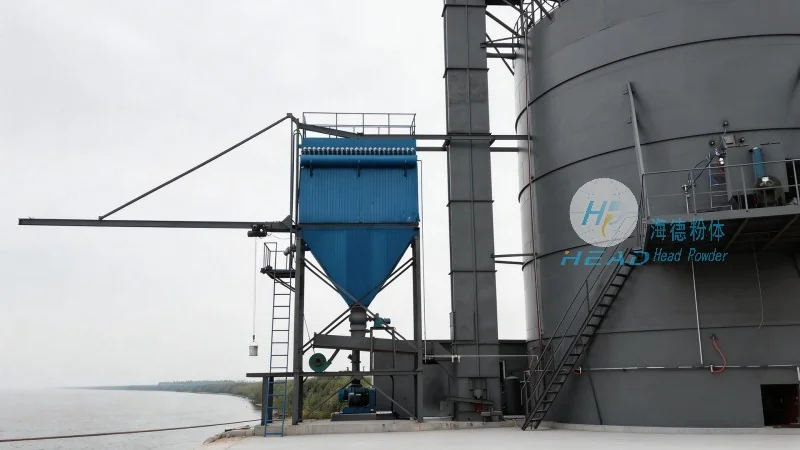
Positive Pressure Conveying: Advantages and Applications
Positive pressure conveying systems operate by blowing air or gas into the conveying line, creating a pressure higher than the ambient air. This method is particularly effective for transporting calcium oxide over long distances or through complex piping networks. The primary advantages of positive pressure systems include high conveying capacity, ability to handle abrasive materials, and reduced risk of material degradation due to lower air velocities. These systems are ideal for applications where the material needs to be transported from a central storage to multiple processing points.
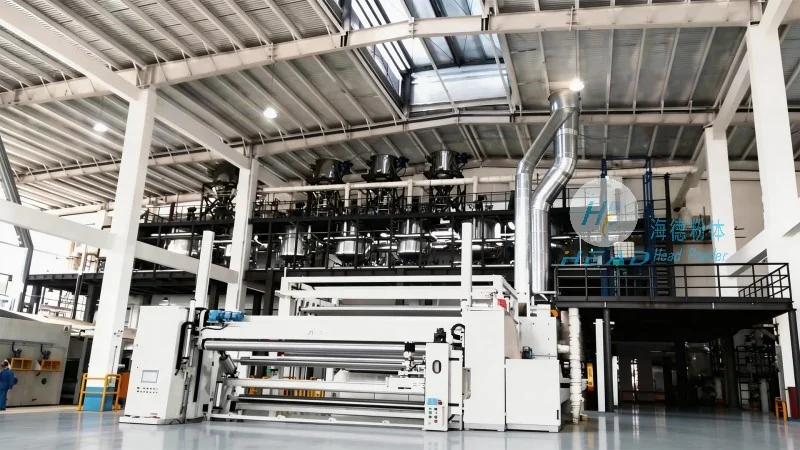
Negative Pressure Conveying: Advantages and Applications
Negative pressure conveying, also known as suction or vacuum conveying, operates by creating a vacuum in the conveying line, drawing material from the source. This method is suitable for short to medium-distance transport and is often used in applications where the material is to be collected from multiple points and consolidated into a central processing unit. The benefits of negative pressure systems include lower energy consumption, suitability for handling fine powders, and reduced noise levels compared to positive pressure systems. However, they may have limitations in terms of conveying distance and material capacity.
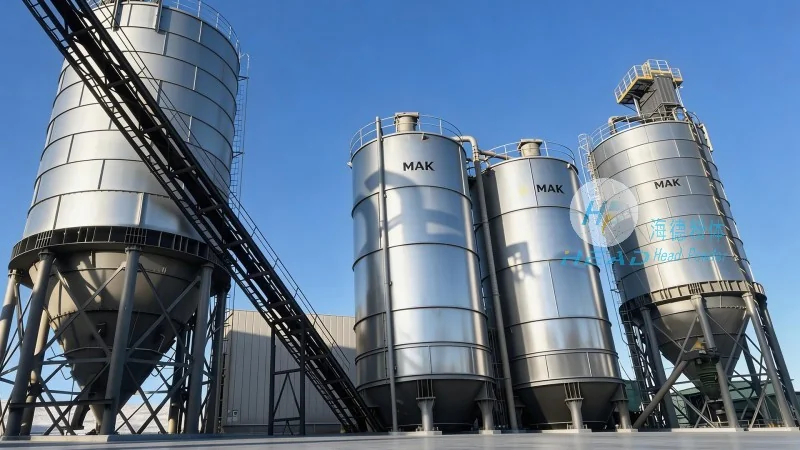
Key Considerations in Choosing Between Positive and Negative Pressure Systems
When selecting a pneumatic conveying system for calcium oxide, several factors must be considered. The distance between the source and destination, the volume of material to be transported, and the complexity of the piping layout are critical. Positive pressure systems are generally preferred for long-distance or high-capacity applications, while negative pressure systems are better suited for short-distance or fine powder handling. Additionally, the cost of equipment, maintenance requirements, and environmental regulations should be evaluated. HeadPowder Engineering offers expert consultation to help clients choose the optimal system based on their specific operational needs.
Conclusion: Optimizing Calcium Oxide Handling with Advanced Pneumatic Conveying
Both positive and negative pressure pneumatic conveying systems offer effective solutions for calcium oxide transport, each with its own set of advantages and limitations. By understanding the technical aspects of these systems and consulting with industry experts like HeadPowder Engineering, businesses can select the most suitable conveying mode to enhance efficiency, reduce operational costs, and ensure safe handling of calcium oxide. The choice ultimately depends on the specific requirements of the application, and a well-designed system can significantly improve overall process performance.