

Technical Analysis of Ammonium Nitrate Pneumatic Conveying Systems: Comparison of Positive Pressure
Ammonium nitrate (NH₄NO₃) is a critical chemical compound used extensively in industries such as fertilizers, explosives, and chemical processing. The efficient and safe transportation of this material is paramount for industrial operations, as it requires specialized handling to prevent dust explosions and maintain product integrity. Pneumatic conveying systems have become a cornerstone technology for handling ammonium nitrate, offering advantages like reduced dust, enhanced safety, and precise process control. This article provides a technical analysis of pneumatic conveying systems for ammonium nitrate, focusing on the comparison between positive pressure and negative pressure conveying modes to help industrial engineers select the most suitable system for their applications.
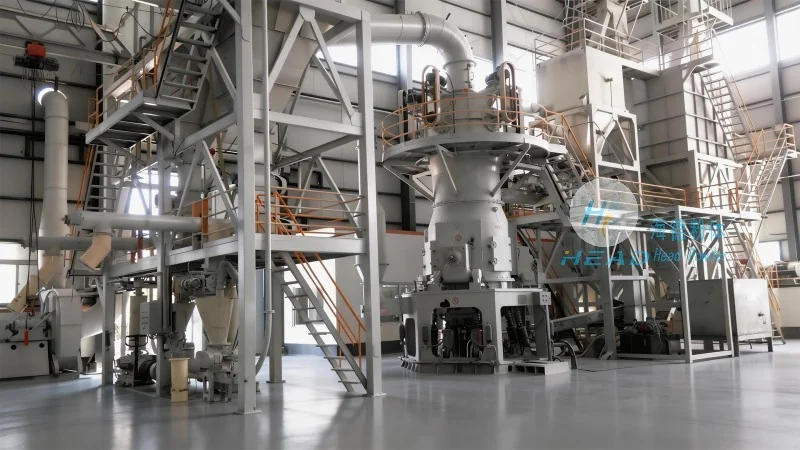
Introduction to Pneumatic Conveying Systems for Ammonium Nitrate
Pneumatic conveying systems utilize air or other gases to transport bulk materials like ammonium nitrate from one location to another. These systems are particularly well-suited for ammonium nitrate due to its hygroscopic nature and potential for dust-related hazards. The choice between positive pressure and negative pressure systems is a key decision in system design, as each mode has distinct operational characteristics and applications. Positive pressure systems blow air into the conveying line, creating pressure above ambient levels, while negative pressure systems create a vacuum to draw material into the line. Understanding the technical nuances of both modes is essential for optimizing system performance and ensuring compliance with safety regulations.
Positive Pressure Conveying Mode: Technical Overview
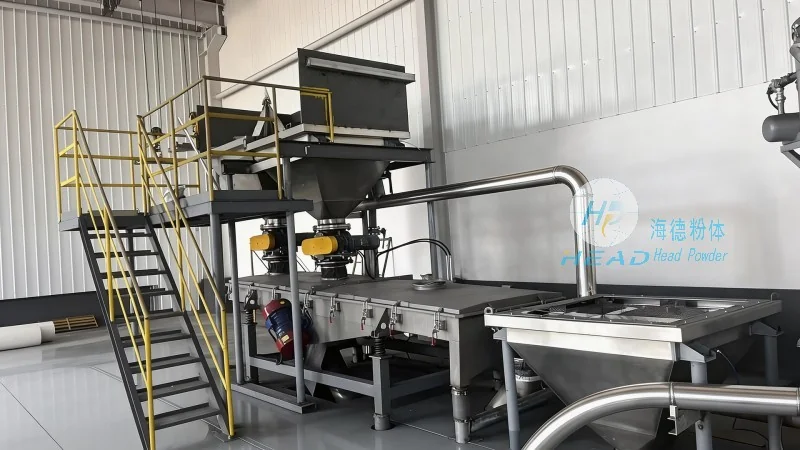
Positive pressure conveying systems operate by injecting air or gas into the conveying line, generating a pressure higher than the surrounding environment. This mode is commonly employed for short to medium-distance conveying and for materials prone to dusting or caking. In a positive pressure system, a blower provides the necessary pressure to move the material, which is drawn into the line by the moving air stream. The system typically includes a hopper for material storage, a blower, and a conveying pipe. The hopper feeds ammonium nitrate into the system, and the blower propels the material through the pipe to the destination, where it is discharged into a receiver. Positive pressure systems excel in applications requiring high conveying speeds and precise control over material flow. They are also effective for handling materials sensitive to moisture or air exposure, as the system is sealed and air is filtered to prevent contamination. However, these systems may have higher energy consumption due to the continuous operation of the blower and a higher risk of dust dispersion if not properly sealed.
Negative Pressure Conveying Mode: Technical Overview
Negative pressure conveying systems, also known as vacuum systems, operate by creating a vacuum in the conveying line, which draws the material and air from the source. This mode is typically used for longer distances and for materials less prone to dusting or caking. In a negative pressure system, a vacuum pump generates the suction force, pulling the material and air through the pipe to the destination. The system includes a hopper, a vacuum pump, and a conveying pipe. The hopper feeds ammonium nitrate into the system, and the vacuum pump pulls the material to the receiver. Negative pressure systems offer lower energy consumption compared to positive pressure systems, as the vacuum pump operates at lower pressures. They are advantageous for conveying over longer distances and for applications where the material needs to be transported from multiple sources or where the destination is at a lower elevation. However, these systems may have lower conveying speeds and a higher risk of material caking due to the lower air velocity.
Key Technical Factors Influencing System Selection
When designing a pneumatic conveying system for ammonium nitrate, several technical factors must be carefully evaluated to ensure optimal performance and safety. These factors include the material's physical properties (e.g., particle size, density, flowability), the required conveying distance, the system pressure, and the desired flow rate. The particle size and flowability of ammonium nitrate significantly impact the choice of conveying mode and system design. For example, fine particles may require positive pressure systems with proper air filtration to prevent dust dispersion. The conveying distance is another critical factor, as positive pressure systems are generally more suitable for shorter distances (typically up to 100 meters), while negative pressure systems can handle longer distances (up to several hundred meters). The system pressure is determined by the required flow rate and material resistance to flow; higher pressures are needed for longer distances or for materials with higher flow resistance. The flow rate is determined by production requirements and system capacity, and it is essential to match the flow rate to the system's design to avoid overloading or underutilization.
Advantages and Disadvantages of Each Conveying Mode
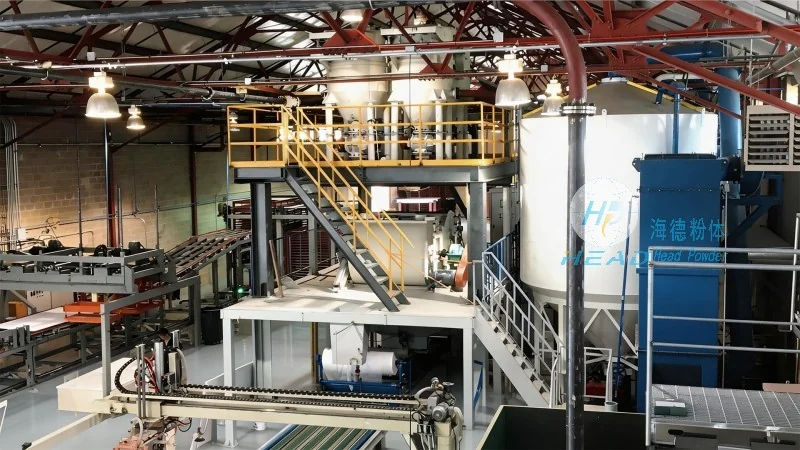
Both positive and negative pressure systems have distinct advantages and disadvantages, which must be weighed based on specific application requirements. Positive pressure systems offer higher conveying speeds, better control over material flow, and reduced risk of material caking. They are also more suitable for handling materials sensitive to moisture or air exposure due to the sealed system and filtered air. However, they may have higher energy consumption and a higher risk of dust dispersion if not properly maintained. Negative pressure systems provide lower energy consumption, are better for longer distances, and are less likely to cause dust explosions due to the sealed suction line. Nevertheless, they may have lower conveying speeds, higher risk of material caking, and require more robust air filtration to prevent dust accumulation in the vacuum pump.
Real-World Applications in the Ammonium Nitrate Industry
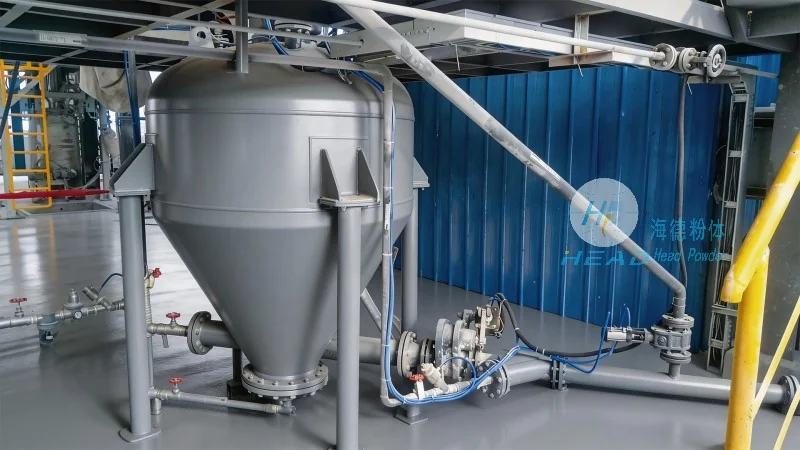
Pneumatic conveying systems are widely utilized in the ammonium nitrate industry for various applications. In fertilizer production, positive pressure systems are commonly used to transport ammonium nitrate from storage silos to processing units, handling large volumes while maintaining material quality. In the explosives industry, negative pressure systems are employed to transport ammonium nitrate from production facilities to storage sites, ensuring material stability and preventing dust dispersion. In chemical processing plants, both positive and negative pressure systems are used to move ammonium nitrate between processing units, such as from a reactor to a dryer or from a dryer to a packaging unit. The choice of system depends on factors like distance, material properties, and production capacity. For instance, a plant with multiple storage silos and a processing unit located 200 meters away might use a negative pressure system, while a plant with a processing unit adjacent to the storage silo (within 50 meters) might opt for a positive pressure system.
Conclusion: Selecting the Right Pneumatic Conveying System
In conclusion, pneumatic conveying systems are a vital technology for the efficient and safe transportation of ammonium nitrate. The selection between positive pressure and negative pressure systems depends on a thorough analysis of the application requirements, including conveying distance, material properties, and operational constraints. Positive pressure systems are ideal for short distances and materials prone to dusting or caking, while negative pressure systems are better suited for longer distances and materials with lower dusting risks. Both systems have their technical advantages and limitations, and the final decision should be based on a balanced evaluation of performance, safety, and cost. By understanding the technical aspects of both modes and considering the specific needs of the application, industrial engineers can design or select the most appropriate pneumatic conveying system for ammonium nitrate, ensuring reliable operation and compliance with industry standards. The expertise of companies like Shandong HeadPowder Engineering Co., Ltd. in designing and implementing these systems plays a crucial role in optimizing industrial processes and enhancing safety in the handling of ammonium nitrate.