

Technical Analysis of Alumina Sulphate Pneumatic Conveying Systems: Comparison of Positive Pressure
Alumina sulphate, a vital chemical used extensively in water treatment, paper production, and various industrial processes, often necessitates efficient material handling solutions for its transportation. Pneumatic conveying systems have become a preferred method for transporting bulk powders like alumina sulphate due to their ability to minimize dust and contamination while effectively moving materials through pipelines. Among the different pneumatic conveying technologies, the selection between positive pressure and negative pressure systems is a critical decision for industries dealing with alumina sulphate. This article provides a technical analysis of these two modes, outlining their operational principles, advantages, and practical applications.
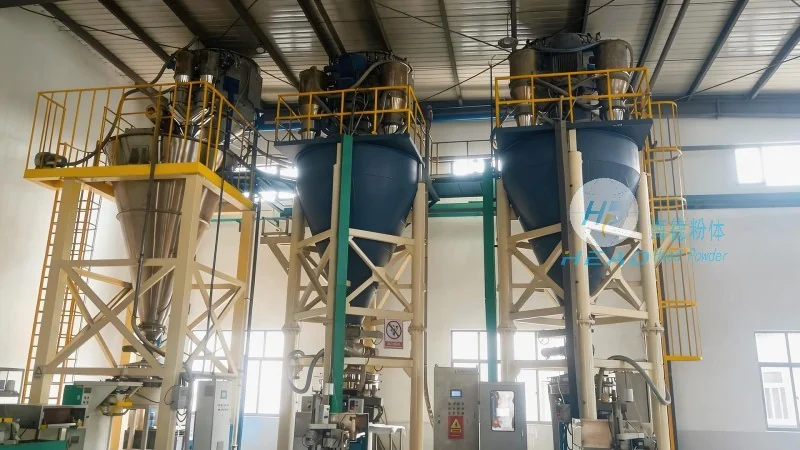
Understanding Pneumatic Conveying Systems for Alumina Sulphate
Pneumatic conveying systems utilize air or gas to transport solid materials through a pipeline. The two main modes are positive pressure (pressure) and negative pressure (vacuum) systems. Positive pressure systems force air and material through the pipeline using a blower or compressor, while negative pressure systems draw material into the pipeline using a vacuum fan. Both modes have distinct characteristics that make them suitable for different operational requirements and material properties.
Positive Pressure Conveying Mode: Principles and Advantages
Positive pressure systems operate by generating a higher pressure in the conveying line compared to ambient air. This is typically achieved using a positive displacement blower or a centrifugal fan. The material is fed into the pipeline at the inlet, and the pressurized air pushes the material forward. Key advantages of positive pressure systems include high conveying capacity, ability to handle abrasive or corrosive materials, and suitability for long-distance or high-rise applications. For alumina sulphate, which can be abrasive and require robust handling, positive pressure systems often provide superior durability and efficiency. Additionally, these systems can operate in environments where dust containment is critical, as the pressurized air helps to seal the pipeline and prevent leakage.
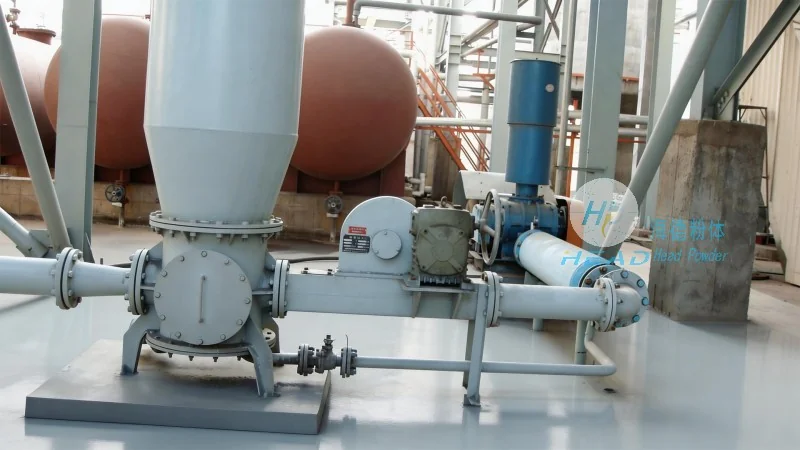
Negative Pressure Conveying Mode: Principles and Advantages
Negative pressure systems, also known as vacuum systems, create a lower pressure in the pipeline compared to ambient air. A vacuum fan draws the material into the pipeline, and the material is then transported to the discharge point. The primary advantages of negative pressure systems include lower initial costs, reduced energy consumption for short-distance conveying, and suitability for applications where the material is to be collected from multiple points. Negative pressure systems are often preferred for handling lighter or less abrasive materials, as the lower pressure reduces the risk of material degradation or blockage. However, they may not be as effective for long-distance or high-rise conveying due to the limitations of vacuum pressure and the potential for material segregation.
Comparison of Positive and Negative Pressure Systems for Alumina Sulphate
When selecting a pneumatic conveying system for alumina sulphate, it is essential to compare the performance characteristics of positive and negative pressure modes. Positive pressure systems generally offer higher conveying rates and better control over material flow, making them ideal for high-volume applications or when the material needs to be transported over long distances. They are also more suitable for handling abrasive or corrosive materials, as the pressurized air provides better protection for the pipeline and components. On the other hand, negative pressure systems are more cost-effective for short-distance conveying and can be more energy-efficient in certain scenarios. They are particularly useful when the material is to be collected from multiple sources or when the system needs to operate in a low-noise environment. The choice between the two modes depends on factors such as the distance of the conveying line, the volume of material to be transported, the material's properties (e.g., abrasiveness, moisture content), and the operational environment (e.g., dust control requirements).
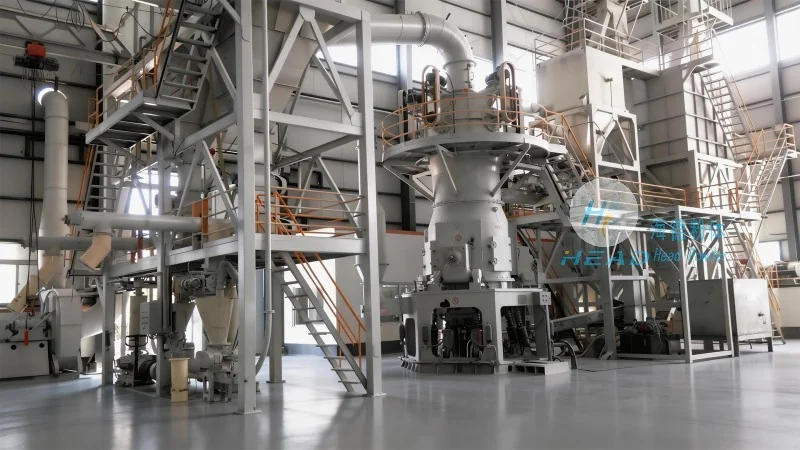
Application Considerations for Alumina Sulphate Pneumatic Conveying
For industries dealing with alumina sulphate, the choice of pneumatic conveying system should align with specific operational needs. Positive pressure systems are often preferred for large-scale water treatment plants or paper mills where high throughput and long-distance transport are required. These systems can handle the abrasive nature of alumina sulphate without significant wear and tear, ensuring long-term reliability. Negative pressure systems may be more suitable for smaller-scale applications or for handling alumina sulphate in environments where noise and dust are concerns. For example, in a small water treatment facility, a negative pressure system could be used to transport alumina sulphate from storage to the treatment tanks over a short distance, minimizing operational costs. Additionally, the system design should consider the material's moisture content and flowability, as these factors can impact the efficiency of both positive and negative pressure modes. Proper pipeline sizing, air velocity, and material feed rate are critical to ensure optimal performance and prevent blockages or material degradation.
Conclusion: Selecting the Right Pneumatic Conveying Solution
Choosing between positive pressure and negative pressure pneumatic conveying systems for alumina sulphate requires a careful evaluation of operational requirements, material properties, and cost considerations. Positive pressure systems offer superior performance for high-volume, long-distance applications and are more robust for handling abrasive materials. Negative pressure systems, while more economical for short-distance conveying, may have limitations in terms of conveying capacity and material handling. By understanding the principles and advantages of each mode, industries can select the most appropriate pneumatic conveying solution to ensure efficient and reliable transportation of alumina sulphate. Companies like Shandong HeadPowder Engineering Co., Ltd., with expertise in designing and manufacturing customized pneumatic conveying systems, can provide tailored solutions that meet the specific needs of alumina sulphate handling applications.