

Technical Analysis of Polyethylene Pneumatic Conveying Systems: Comparison of Positive Pressure and
For industries dealing with polyethylene materials, selecting the right pneumatic conveying system is crucial for efficiency, cost-effectiveness, and operational safety. This article provides a technical analysis of polyethylene pneumatic conveying systems, focusing on the comparison between positive pressure and negative pressure conveying modes. The discussion is presented by Shandong HeadPowder Engineering Co., Ltd., a leading provider in the field, with headquarters located in Shandong, China.
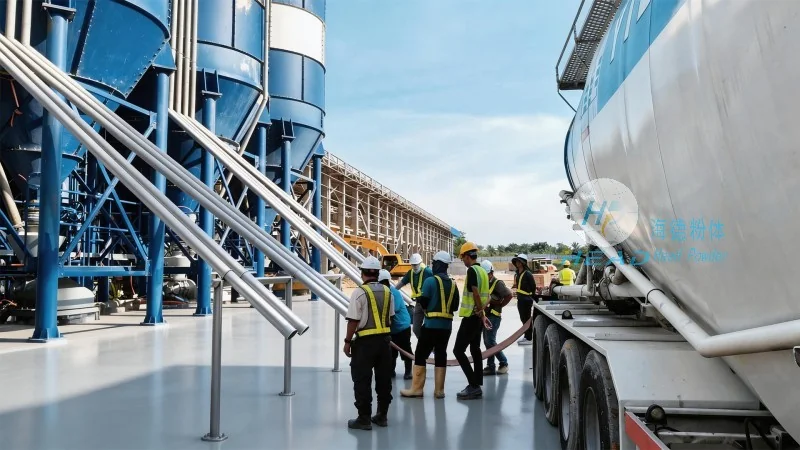
Polyethylene Pneumatic Conveying Systems: An Overview
Polyethylene (PE) is a widely used thermoplastic polymer in various applications, including packaging, construction, and manufacturing. The handling of PE powders or granules often requires specialized equipment to ensure smooth and reliable material transport. Pneumatic conveying systems utilize air or gas to move bulk materials through a pipeline network, offering advantages such as dust-free operation, reduced labor costs, and the ability to transport materials over long distances. These systems are essential for industries that need to process large volumes of PE materials efficiently.
Key Components of Pneumatic Conveying Systems
Both positive pressure and negative pressure systems consist of several core components that work together to achieve material transport. The primary components include a material feeder, a conveying line (pipeline), a conveying air source (blower or vacuum pump), and a receiver or discharge point. In positive pressure systems, the air is supplied under pressure, pushing the material through the pipeline. In negative pressure systems, the air is drawn from the pipeline, creating a vacuum that pulls the material. The choice of components depends on the specific conveying requirements, such as material characteristics, distance, and system complexity.
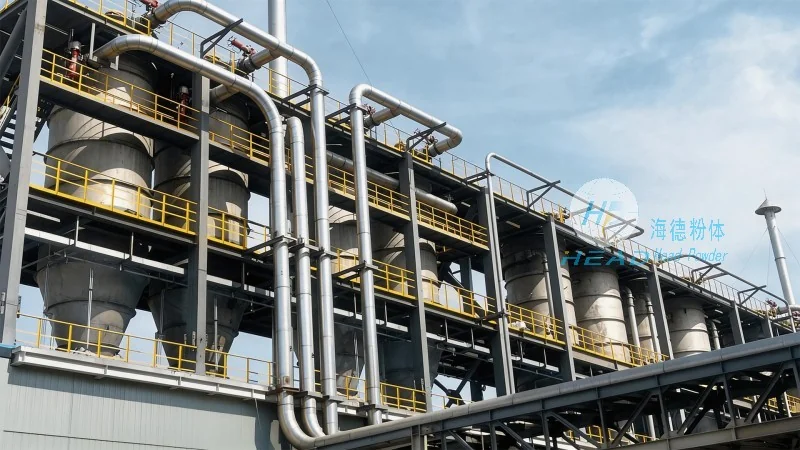
Positive Pressure Conveying Mode: Advantages and Applications
Positive pressure conveying systems operate by blowing air into the conveying line, creating a pressure higher than the ambient air. This method is suitable for transporting materials over longer distances and through complex pipeline networks. One of the main advantages of positive pressure systems is their ability to handle abrasive or corrosive materials without significant wear on the equipment. Additionally, positive pressure systems are generally more reliable in terms of maintaining consistent material flow, as the pressure ensures that the material is continuously pushed through the pipeline. They are commonly used in industries like chemical processing, food processing, and pharmaceuticals, where material purity and control are critical.
Negative Pressure Conveying Mode: Advantages and Applications
Negative pressure conveying systems, also known as vacuum systems, operate by creating a vacuum in the conveying line. The air is drawn from the pipeline, pulling the material from the source to the receiver. This mode is ideal for applications where the material source is located at a higher elevation or where the system needs to handle fine powders that might be susceptible to clogging. Negative pressure systems are often more energy-efficient for short-distance conveying, as they require less power to create the vacuum compared to the higher pressure needed in positive pressure systems. However, they may be less suitable for abrasive materials, as the vacuum can cause more wear on the equipment over time.
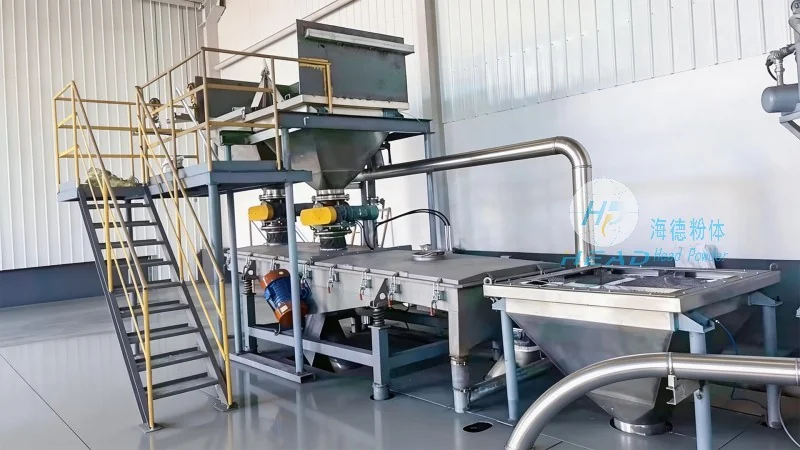
Comparison of Positive and Negative Pressure Systems
When selecting between positive and negative pressure conveying modes for polyethylene applications, several factors must be considered. The choice depends on the material properties, conveying distance, system layout, and operational requirements. Positive pressure systems are generally preferred for long-distance or complex conveying tasks, as they offer better control and reliability. Negative pressure systems are more suitable for short-distance or vertical conveying, especially with fine powders. The cost of equipment and maintenance also plays a role, as positive pressure systems may require more robust components to withstand higher pressures. Overall, the optimal choice is determined by a thorough analysis of the specific application needs and operational constraints.
Conclusion
Both positive pressure and negative pressure pneumatic conveying modes offer effective solutions for transporting polyethylene materials. The selection of the appropriate system depends on various technical and operational factors. Shandong HeadPowder Engineering Co., Ltd. specializes in designing and manufacturing customized pneumatic conveying systems tailored to the unique needs of each client. By understanding the advantages and limitations of each mode, industries can optimize their material handling processes, improve efficiency, and reduce operational costs. The expertise of HeadPowder in the field ensures that clients receive reliable and efficient solutions for their polyethylene conveying requirements.