

Technical Analysis of Lightweight Aggregate Pneumatic Conveying Systems: Comparison of Positive and
Lightweight aggregate, such as expanded clay or lightweight aggregate, is widely used in construction and industrial applications due to its lightweight properties and excellent thermal insulation. The efficient transportation of these materials from storage to processing sites is crucial for maintaining production efficiency and reducing operational costs. Pneumatic conveying systems have emerged as a preferred solution for handling lightweight aggregates, offering flexibility and automation in material transport. This article provides a technical analysis of pneumatic conveying systems for lightweight aggregates, focusing on the comparison between positive pressure and negative pressure conveying modes.
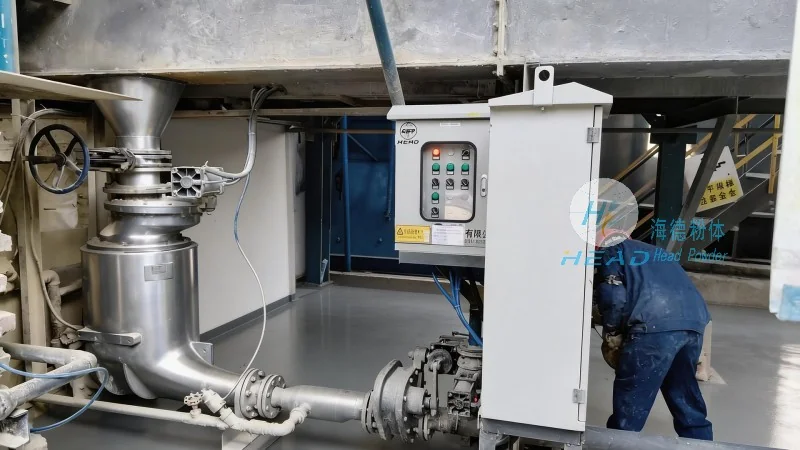
Introduction to Pneumatic Conveying Systems for Lightweight Aggregates
Lightweight aggregates, including expanded clay, vermiculite, and other porous materials, present unique challenges in material handling due to their low density and potential for dust generation. Traditional methods like belt conveyors or bucket elevators may not be suitable for these materials, as they can cause material degradation or increased maintenance. Pneumatic conveying systems, which use air or gas to transport materials through pipelines, offer a solution that minimizes material contact and reduces the risk of contamination. The choice between positive pressure and negative pressure systems depends on factors such as material characteristics, system layout, and operational requirements.
Positive Pressure Conveying Mode: Advantages and Applications
Positive pressure pneumatic conveying systems operate by blowing air or gas into the material line, creating a pressure higher than the ambient air. This method is particularly effective for transporting lightweight aggregates over long distances or through complex pipe networks. The primary advantages of positive pressure systems include high material transport capacity, ability to handle abrasive materials, and reduced risk of material degradation due to lower air velocities. These systems are commonly used in industrial settings where large volumes of lightweight aggregates need to be moved efficiently. The positive pressure mode ensures consistent material flow and minimizes the risk of blockages, making it suitable for continuous production processes.
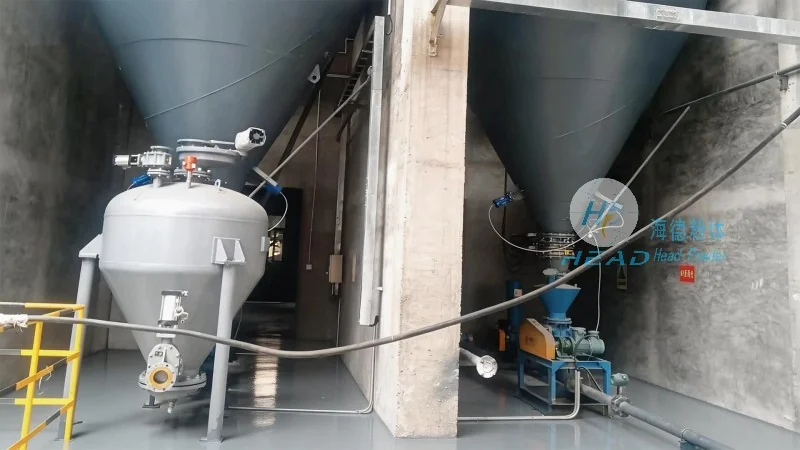
Negative Pressure Conveying Mode: Advantages and Applications
Negative pressure pneumatic conveying systems, also known as suction systems, operate by creating a vacuum in the material line, drawing material from the source into the system. This method is ideal for applications where the material source is located at a higher elevation or where the system needs to handle fine powders and dust. The advantages of negative pressure systems include lower air velocities, reduced energy consumption, and the ability to handle materials with higher moisture content. However, negative pressure systems are more susceptible to blockages and require careful maintenance to prevent dust leakage and system contamination. These systems are commonly used in smaller-scale operations or for short-distance transport of lightweight aggregates.
Comparison of Positive and Negative Pressure Systems
When selecting a pneumatic conveying system for lightweight aggregates, it is essential to evaluate the specific requirements of the application. Positive pressure systems are generally more suitable for high-capacity, long-distance transport, while negative pressure systems are better for low-capacity, short-distance applications or handling fine powders. The choice also depends on the material's density, flowability, and potential for dust generation. For example, in a large-scale construction material plant, a positive pressure system may be preferred to transport large volumes of expanded clay from storage silos to mixing facilities. In contrast, a negative pressure system might be used in a laboratory setting to handle small quantities of lightweight aggregate samples.
Key Considerations for System Design and Installation
The successful implementation of a pneumatic conveying system for lightweight aggregates requires careful consideration of several factors. The system design must account for the material's characteristics, such as particle size, density, and moisture content, to ensure optimal air velocity and pressure. The pipe layout and diameter are critical for maintaining consistent material flow and preventing blockages. Additionally, the system must be equipped with appropriate filters and cyclones to separate the material from the air, ensuring clean material delivery and reducing maintenance costs. The choice of air compressor or vacuum pump also impacts the system's efficiency and operational costs. Proper installation and maintenance are essential to maximize the system's lifespan and performance.
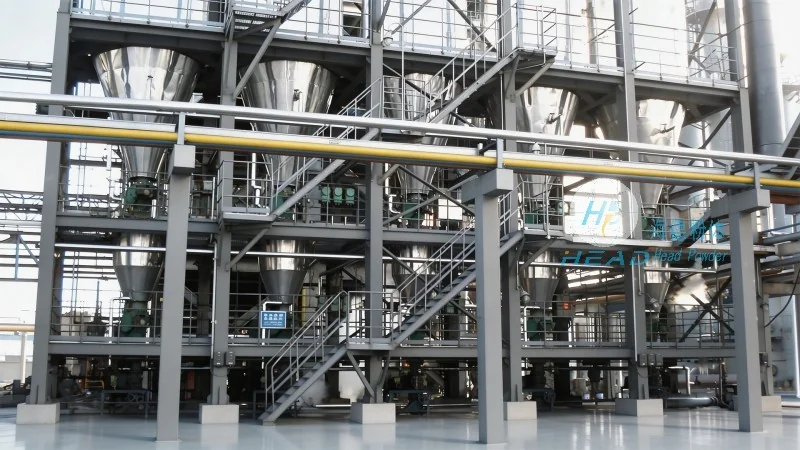
Case Study: Application of Positive Pressure System in a Concrete Production Plant
Shandong HeadPowder Engineering Co., Ltd., a leading manufacturer of material handling solutions, recently implemented a positive pressure pneumatic conveying system in a concrete production plant. The system was designed to transport 100 tons of expanded clay per hour from storage silos to the mixing plant. The positive pressure system, equipped with high-capacity air blowers and large-diameter pipelines, successfully handled the material over a distance of 200 meters with minimal degradation. The system's efficiency and reliability reduced the plant's operational costs by 15% and improved production throughput by 20%. This case study highlights the effectiveness of positive pressure systems in large-scale industrial applications.
Conclusion and Recommendations
Pneumatic conveying systems offer an efficient and flexible solution for transporting lightweight aggregates, with positive and negative pressure modes catering to different operational needs. The choice between the two systems depends on factors such as material characteristics, transport distance, and system capacity. For high-capacity, long-distance transport, positive pressure systems are recommended due to their superior performance and reliability. For low-capacity, short-distance applications or fine powder handling, negative pressure systems are more suitable. When designing a pneumatic conveying system, it is crucial to consider the material's properties, system layout, and maintenance requirements to ensure optimal performance. Shandong HeadPowder Engineering Co., Ltd. specializes in providing customized pneumatic conveying solutions tailored to the specific needs of clients, ensuring efficient and cost-effective material transport.