

Technical Analysis of Coal Gangue Pneumatic Conveying Systems: Comparison of Positive Pressure vs. N
Coal gangue, a byproduct of coal mining and processing, poses significant challenges in handling and transportation due to its abrasive nature and varying particle sizes. Pneumatic conveying systems offer an efficient solution to transport coal gangue over long distances or within industrial facilities. This technical analysis focuses on the two primary modes of pneumatic conveying—positive pressure and negative pressure systems—comparing their operational principles, advantages, and applications.
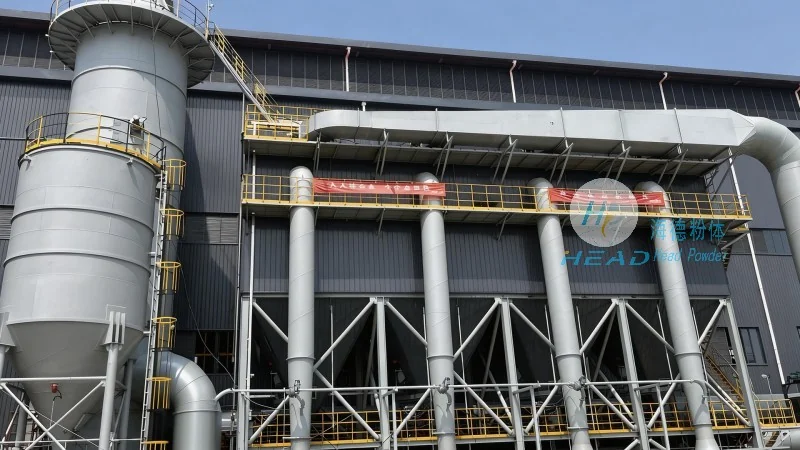
Understanding Positive Pressure Pneumatic Conveying
Positive pressure systems operate by generating air pressure within the conveying line, pushing the material forward. The system typically includes a blower or compressor that supplies compressed air to the material feed point. As the material is introduced into the line, it is carried by the high-velocity air stream, which maintains the material in suspension. This mode is particularly effective for handling abrasive materials like coal gangue, as the air pressure helps to prevent material buildup and reduces wear on the system components.
In a positive pressure system, the air and material are discharged at the receiving end, often requiring a dust collection system to manage the air emissions. The system is generally more suitable for short to medium distance conveying, with typical distances ranging from 50 to 500 meters. The equipment used in positive pressure systems includes a rotary valve for material feeding, a blower, and a receiving hopper with a dust collector. The design of the system ensures that the air pressure is maintained throughout the conveying line, providing consistent material flow.
Advantages of Positive Pressure Conveying
Positive pressure pneumatic conveying offers several advantages for coal gangue handling. Firstly, it provides a high degree of control over the material flow, allowing for precise regulation of the conveying rate. This is crucial for industrial processes where consistent material supply is essential. Secondly, the system is effective in handling abrasive materials, as the air pressure helps to minimize wear on the pipeline and other components. Additionally, positive pressure systems can handle a wide range of particle sizes, from fine powders to larger chunks, making them versatile for various coal gangue compositions.
Another advantage is the ability to convey materials over vertical and horizontal distances simultaneously. This flexibility allows for complex system layouts, such as conveying coal gangue from a storage silo to a processing plant at different elevations. The system also reduces the risk of material spillage compared to other methods, as the material is contained within the conveying line. However, the main drawback is the higher energy consumption due to the need for compressed air, which can increase operational costs.
Understanding Negative Pressure Pneumatic Conveying
Negative pressure systems, also known as suction or vacuum systems, operate by creating a vacuum in the conveying line, drawing the material into the system. The vacuum is generated by a fan or vacuum pump at the receiving end, which pulls the air and material from the feed point. The material is then carried by the air stream, which maintains it in suspension as it moves towards the receiving hopper.
Negative pressure systems are typically used for longer conveying distances, often up to several kilometers, and are suitable for applications where the material needs to be transported from a remote source to a processing facility. The system design includes a material feed hopper with a rotary valve, a vacuum fan, and a receiving container. The air and material are drawn into the line, and the air is then filtered and discharged to the atmosphere.
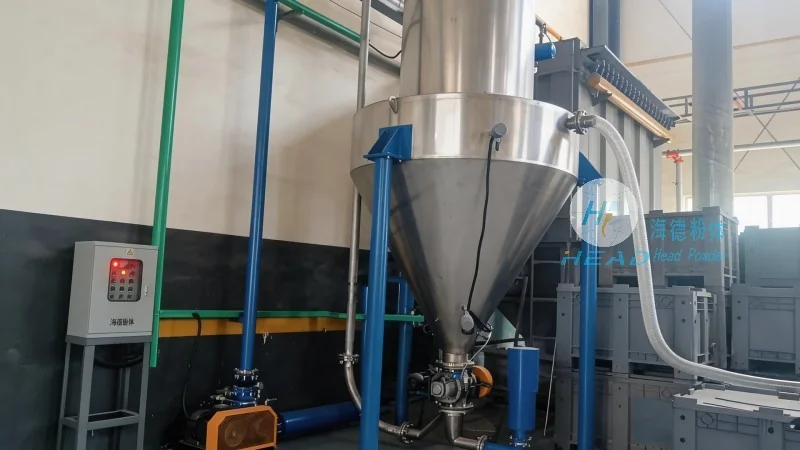
Advantages of Negative Pressure Conveying
Negative pressure pneumatic conveying has distinct advantages over positive pressure systems, particularly for long-distance applications. The primary advantage is the lower energy consumption, as the vacuum system requires less power compared to a high-pressure blower. This results in lower operational costs, making it more economical for long-distance conveying. Additionally, negative pressure systems are less prone to material buildup in the pipeline, as the vacuum helps to maintain a consistent flow.
Another benefit is the ability to handle fine powders and dust, as the vacuum system can effectively capture and transport these materials without the need for high air pressure. This is particularly useful for coal gangue with high dust content, as it prevents dust dispersion into the environment. The system also allows for the conveyance of materials from multiple sources to a single destination, as the vacuum can be applied at multiple feed points.
However, negative pressure systems have limitations, such as the risk of material clogging in the suction line, especially with wet or sticky coal gangue. The system also requires careful maintenance to prevent air leaks, which can reduce the vacuum efficiency and affect material flow. Additionally, the equipment used in negative pressure systems is more complex, with additional components like filters and vacuum pumps, which may increase the initial investment cost.
Comparison of Positive and Negative Pressure Systems
When selecting a pneumatic conveying system for coal gangue, it is essential to compare the positive and negative pressure modes based on specific operational requirements. The choice depends on factors such as conveying distance, material characteristics, and energy efficiency goals.
For short to medium distances and abrasive materials, positive pressure systems are generally more suitable due to their ability to handle high material loads and prevent clogging. The higher energy consumption is offset by the reliability and control offered by the system. Conversely, for long-distance conveying and fine powders, negative pressure systems are preferred due to their lower energy costs and effectiveness in handling dust.
Cost considerations also play a significant role. Positive pressure systems have higher initial and operational costs due to the need for high-pressure blowers and additional filtration. Negative pressure systems, while having lower operational costs, may require more maintenance and have higher initial equipment costs due to the vacuum components. The overall cost-effectiveness depends on the specific application and the volume of coal gangue to be conveyed.
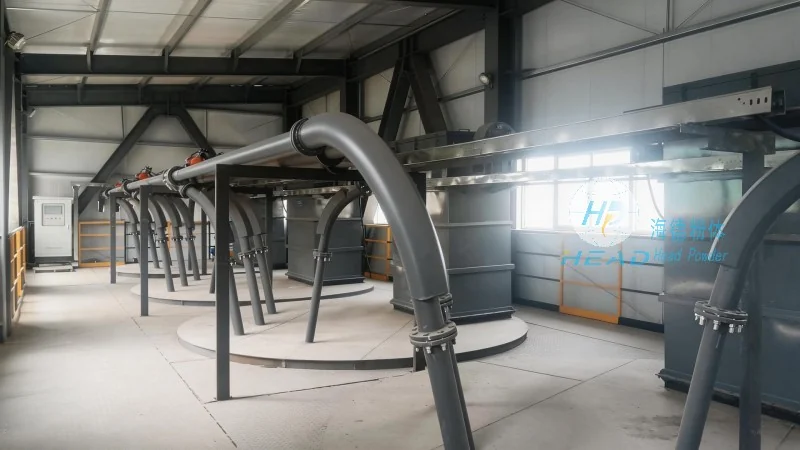
Environmental factors are another critical consideration. Positive pressure systems require a dust collection system to manage air emissions, which can add to the operational cost and complexity. Negative pressure systems, on the other hand, may require additional filtration to ensure compliance with environmental regulations, especially when handling fine dust. The choice between the two modes should consider the environmental impact and regulatory requirements of the operation.
Application Scenarios in Coal Gangue Handling
The selection of a pneumatic conveying system for coal gangue handling depends on the specific application and the characteristics of the material. Positive pressure systems are commonly used in coal processing plants for transporting coal gangue from storage silos to crushers or screens. The system's ability to handle abrasive materials and maintain consistent flow makes it ideal for these applications. Additionally, positive pressure systems are used in power plants for conveying coal gangue to ash handling facilities.
Negative pressure systems are often employed in long-distance transportation of coal gangue from mining sites to processing plants or disposal sites. The system's efficiency in handling fine powders and its lower energy consumption make it suitable for these applications. For example, in coal mining operations, negative pressure systems are used to transport coal gangue from underground mines to surface processing facilities, often over several kilometers.
In industrial settings, both systems may be used in combination to optimize material flow. For instance, a positive pressure system may be used for short-distance conveying within a processing plant, while a negative pressure system is used for long-distance transportation from the plant to a disposal site. This hybrid approach allows for efficient handling of coal gangue while minimizing operational costs and environmental impact.
Conclusion
Pneumatic conveying systems are a critical technology for handling coal gangue, offering efficient and reliable transportation solutions. The choice between positive pressure and negative pressure modes depends on various factors, including conveying distance, material characteristics, energy efficiency, and environmental considerations. Positive pressure systems excel in short to medium distance applications with abrasive materials, providing high control and reliability. Negative pressure systems are more suitable for long-distance conveying and fine powders, offering lower energy costs and effectiveness in handling dust.
Companies like Shandong HeadPowder Engineering Co., Ltd. specialize in designing and manufacturing pneumatic conveying systems tailored to the specific needs of coal gangue handling. With expertise in both positive and negative pressure technologies, they provide customized solutions that optimize material flow, reduce operational costs, and minimize environmental impact. By understanding the technical differences and advantages of each system, industrial facilities can select the most appropriate pneumatic conveying solution for their coal gangue handling requirements, ensuring efficient and sustainable operations.