

Technical Analysis of Kaolin Pneumatic Conveying Systems: Comparison of Positive Pressure and Negati
When it comes to transporting kaolin—a key industrial mineral used in ceramics, paper, and coatings—efficient and reliable material handling is paramount. Among the various methods available, pneumatic conveying systems stand out as a versatile solution. However, the choice between positive pressure and negative pressure conveying modes can significantly impact operational efficiency, cost, and system longevity. This article provides a detailed technical analysis of these two approaches, focusing on their applications, advantages, and considerations for kaolin processing facilities.
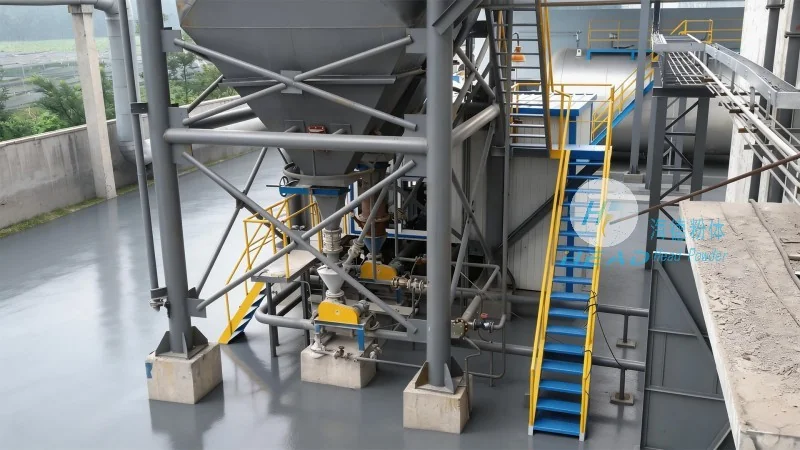
Introduction to Kaolin Pneumatic Conveying
Kaolin, also known as china clay, is a soft, white mineral with a high whiteness and low impurity content, making it indispensable in many manufacturing processes. Traditional bulk material handling methods, such as belt conveyors or bucket elevators, often face challenges with dust control and material degradation, especially for fine powders like kaolin. Pneumatic conveying systems offer a dust-free, enclosed solution that minimizes product contamination and loss. The core of these systems lies in the air flow, which can be generated through positive or negative pressure, each with distinct characteristics.
Positive Pressure Conveying Mode
Positive pressure conveying systems operate by blowing air into the material line, creating a pressure higher than the ambient air. This method is commonly used for long-distance or high-capacity transport, as it can handle larger volumes and overcome greater resistance. The system typically consists of a blower, a hopper, and a series of pipes. The air is introduced at the material inlet, and the kaolin is drawn into the pipe by the moving air stream. A key advantage of positive pressure systems is their ability to handle abrasive materials without excessive wear on components, as the air flow helps to lubricate the system. However, they may require more robust equipment and higher energy consumption due to the need to maintain elevated pressure throughout the line.
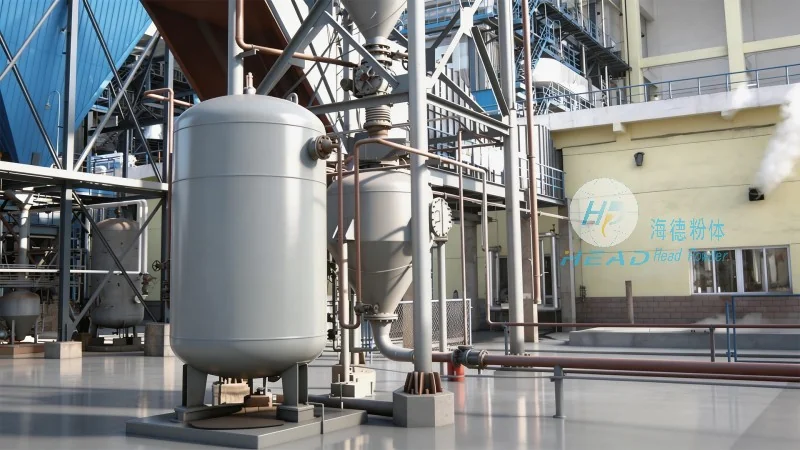
Negative Pressure Conveying Mode
Negative pressure conveying, also known as suction or vacuum conveying, works by creating a vacuum at the material inlet, drawing the kaolin into the system. This approach is ideal for short to medium distances and for handling materials that are prone to re-entrainment or dust generation. The system includes a vacuum pump, a hopper, and a collection point. The vacuum is generated at the inlet, and the material is pulled through the pipe by the pressure differential. Negative pressure systems are generally more energy-efficient for shorter distances and can handle more delicate or sensitive materials, as the lower air velocity reduces the risk of particle breakage. However, they may be less effective for long-distance transport due to the limitations of vacuum pressure and potential for clogging in the suction line.
Key Considerations for Kaolin Processing
When selecting between positive and negative pressure conveying for kaolin, several factors must be evaluated. The distance between the source and destination is a primary consideration. For long distances (typically over 100 meters), positive pressure systems are often preferred due to their ability to maintain consistent flow rates. For shorter distances (under 50 meters), negative pressure systems may offer cost savings and simplicity. The material's properties, such as particle size, moisture content, and abrasiveness, also play a role. Fine kaolin particles may require higher air velocities in positive pressure systems to prevent settling, while negative pressure systems might be better suited for handling moist or sticky materials to avoid blockages. Additionally, the system's footprint and space constraints at the facility are important. Positive pressure systems may require more space for the blower and air treatment equipment, whereas negative pressure systems can be more compact, especially with the vacuum pump located near the inlet.
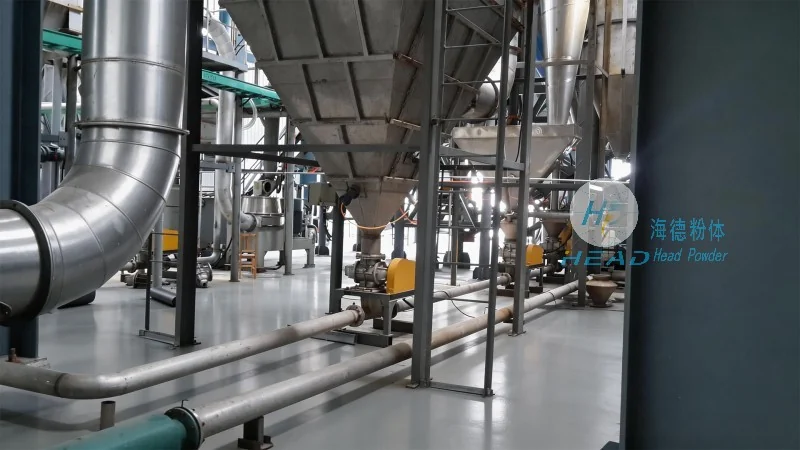
HeadPowder Engineering's Expertise in Kaolin Conveying
Shandong HeadPowder Engineering Co., Ltd., a leading provider of industrial material handling solutions, specializes in designing and implementing customized pneumatic conveying systems for kaolin processing. With years of experience in the industry, the company understands the unique challenges of handling kaolin and tailors its solutions to meet specific operational needs. HeadPowder's engineers conduct thorough assessments of each client's process requirements, including material characteristics, transport distances, and facility layout, to recommend the most efficient conveying mode. The company offers both positive and negative pressure systems, as well as hybrid solutions that combine the benefits of both approaches. For example, a positive pressure system may be used for the main transport line, while a negative pressure section is employed at the discharge point to handle fine powders or prevent dust emissions. This hybrid approach ensures optimal performance and cost-effectiveness.
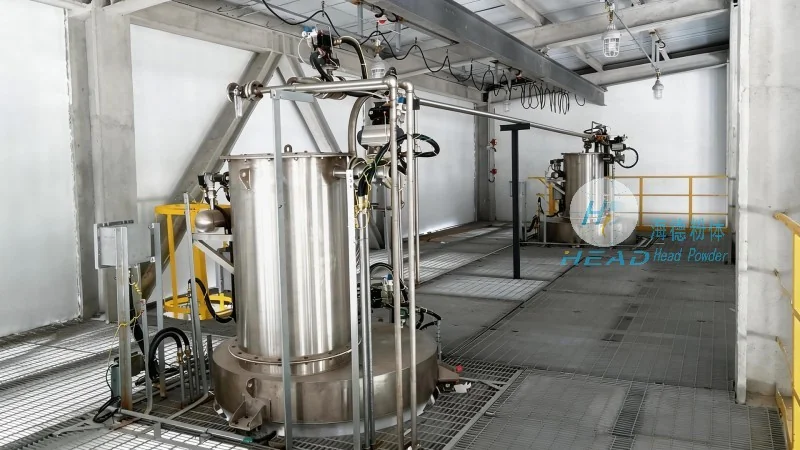
Advantages of Customized Pneumatic Conveying Systems
Customizing a pneumatic conveying system for kaolin processing offers several advantages over off-the-shelf solutions. A tailored system can be optimized for the specific particle size distribution and flow characteristics of the kaolin, ensuring consistent and reliable transport. This leads to reduced downtime and maintenance costs, as the system is designed to handle the material without excessive wear or clogging. Additionally, customized systems can integrate with existing infrastructure, minimizing the need for major facility modifications. HeadPowder Engineering's team of experts works closely with clients to develop solutions that align with their production goals, whether it's increasing throughput, improving product quality, or reducing operational costs. The company's commitment to quality and innovation ensures that each system is built to withstand the demands of kaolin processing, providing long-term reliability and performance.
Conclusion
In conclusion, the choice between positive and negative pressure conveying modes for kaolin pneumatic systems depends on a range of factors, including distance, material properties, and operational constraints. Positive pressure systems excel in long-distance, high-capacity applications, while negative pressure systems are better suited for shorter distances and delicate materials. By understanding these differences and leveraging the expertise of companies like Shandong HeadPowder Engineering Co., Ltd., kaolin processing facilities can select the most appropriate conveying system to enhance efficiency, reduce costs, and maintain product quality. The future of kaolin handling lies in customized, efficient pneumatic solutions that address the unique challenges of this vital industrial mineral.