

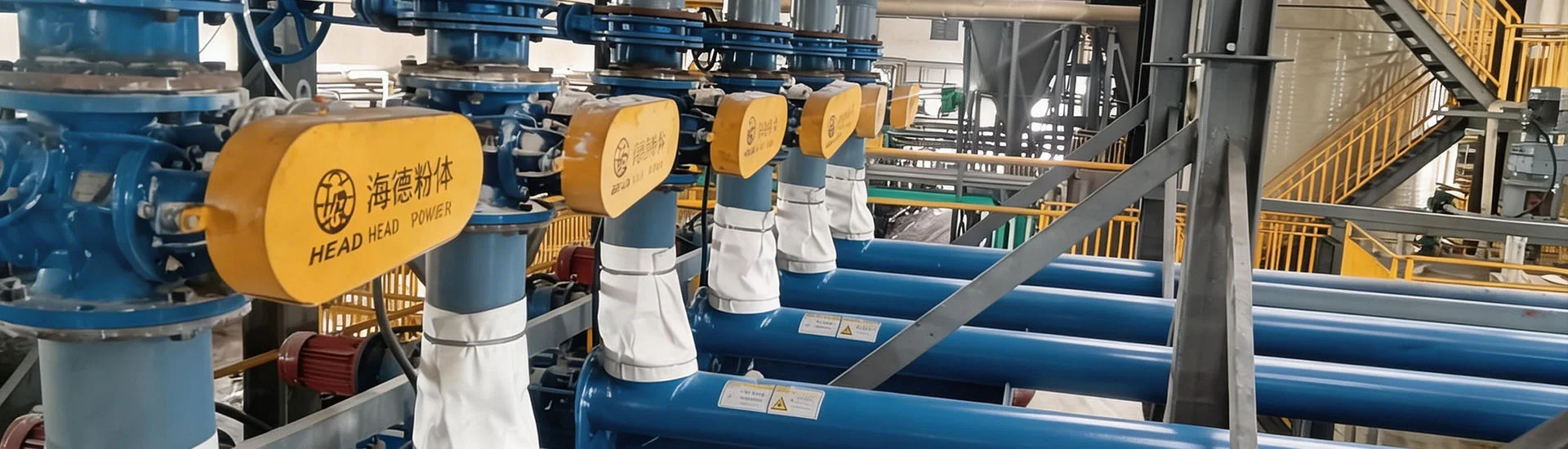
Lithium oxide (Li₂O) plays a foundational role in the production of advanced battery materials, specialty ceramics, and high-purity glass formulations. As global demand for lithium-based energy storage solutions continues to accelerate—with industry analysts projecting the lithium market to exceed 1.8 million metric tons of lithium carbonate equivalent by 2026—manufacturers face mounting pressure to optimize every stage of their material handling processes. Pneumatic conveying, as a core technology for transporting fine powders like lithium oxide, demands careful technical selection to ensure product integrity, operational safety, and cost efficiency. Unlike conventional mechanical conveyors, pneumatic systems utilize air or inert gas to move materials through pipelines, offering distinct advantages in containment, flexibility, and automation. However, the unique physical and chemical properties of lithium oxide—including its hygroscopic nature, fine particle size distribution (typically D50 between 5 and 30 microns), and potential reactivity with moisture—introduce specific challenges that cannot be addressed with generic system designs. This article provides a comprehensive technical overview of lithium oxide pneumatic conveying system selection, covering material characterization, system type comparisons, key design parameters, equipment considerations, and emerging industry trends. By understanding these factors, plant engineers and project managers can make informed decisions that enhance production reliability, reduce energy consumption, and maintain strict quality standards in an increasingly competitive market.
Understanding Lithium Oxide Material Properties for Conveying System Design
Before selecting a pneumatic conveying configuration, engineers must first establish a detailed understanding of the material's physical and chemical behavior under transport conditions. Lithium oxide is classified as a cohesive, aeratable powder with a bulk density ranging from 1.8 to 2.3 g/cm³ depending on particle morphology and processing history. Its fine particles tend to exhibit strong van der Waals forces, leading to agglomeration tendencies that can compromise flow consistency if not properly managed. Additionally, lithium oxide demonstrates moderate to high hygroscopicity; exposure to humid air can result in surface hydration, forming lithium hydroxide and potentially generating heat. This moisture sensitivity dictates that the conveying gas must be dried to a dew point of at least -40°C, and preferably lower, to prevent product degradation and maintain downstream process stability. The material's abrasivity is moderate, but angular particles from certain production routes may accelerate wear in bends and diverter valves. Particle size distribution is another critical parameter: systems must accommodate both the primary fines and any agglomerates that form during upstream processing. In practice, detailed material testing—including shear cell analysis, minimum fluidization velocity determination, and attrition resistance evaluation—should precede any system design. These data points directly influence the selection of conveying velocity, gas-to-solid ratio, pipeline routing strategy, and filtration requirements. A system designed without accounting for the specific flowability and moisture sensitivity of lithium oxide will inevitably face operational disruptions, from line blockages to product quality deviations.
Classification of Pneumatic Conveying Systems for Lithium Oxide Applications
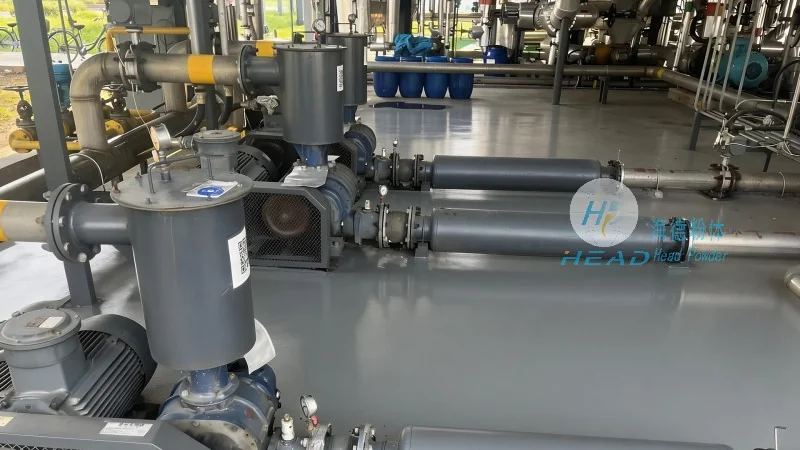
Pneumatic conveying systems fall into two primary categories—dilute phase and dense phase—each offering distinct operational characteristics that suit different material properties and process requirements. For lithium oxide, the choice between these modes is not merely a matter of preference but a technical decision grounded in material behavior and plant economics.
Dilute Phase Conveying Characteristics and Applicability
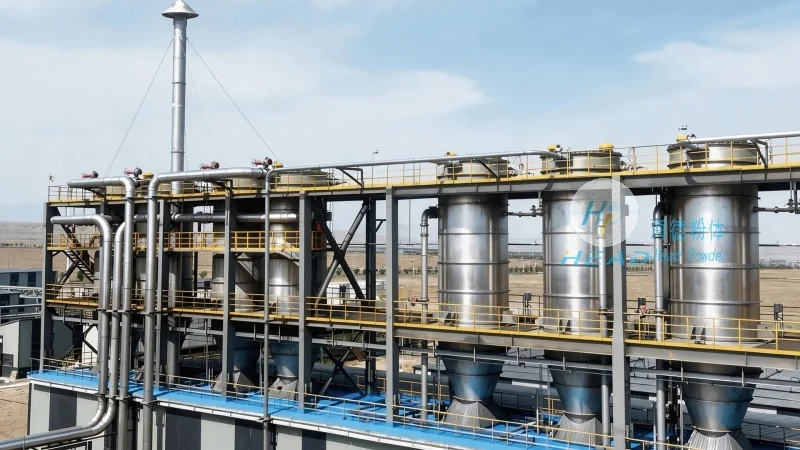
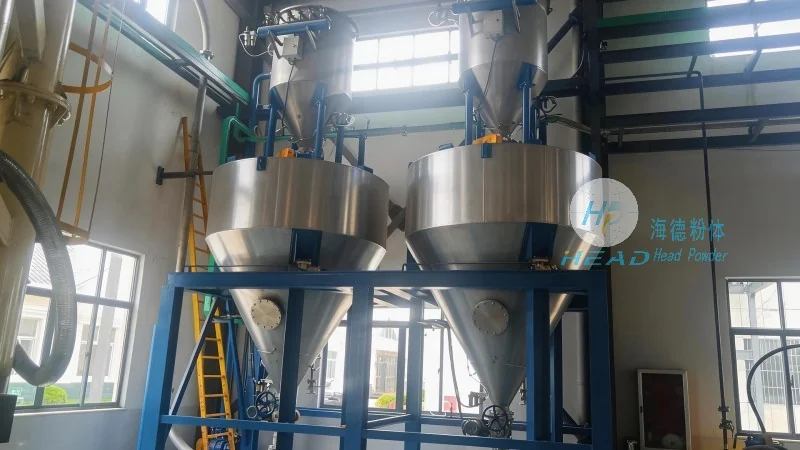
Dilute phase conveying, also referred to as suspension flow, transports materials at high velocities—typically between 12 and 30 m/s for powders—with the solids dispersed throughout the conveying gas stream. This method is widely adopted in lithium processing facilities for short to medium-distance transfers (under 100 meters) where system simplicity and lower initial capital investment are priorities. In dilute phase operation, the material-to-air ratio remains relatively low, usually below 10:1 by weight, which reduces the risk of line blockage but increases energy consumption due to higher gas velocities. For lithium oxide, dilute phase conveying can be acceptable when the material is dry, free-flowing, and transported over modest distances. However, higher velocities increase particle attrition, potentially generating ultra-fines that may cause dusting issues in downstream equipment. Attrition rates of 0.5% to 2% per conveying cycle have been reported in field installations handling fine oxide powders, depending on bend geometry and pipeline material. To mitigate degradation, system designers often employ long-radius bends (R/D ratio of 8:1 or greater) and wear-resistant linings such as alumina ceramic tiles or basalt. Dense phase conveying, by contrast, operates at significantly lower velocities—typically 2 to 8 m/s—transporting material in a non-suspension mode, often as a pulsating plug or moving bed. This approach substantially reduces particle degradation and pipeline erosion, making it particularly attractive for high-value materials like lithium oxide where maintaining particle integrity is economically important. Dense phase systems consume less gas per unit of material conveyed, lowering energy costs by 20% to 40% compared to dilute phase designs for the same throughput. However, they require more precise control of gas injection and may involve higher equipment costs due to the need for specialized pressure vessels and control valves. For lithium oxide, dense phase conveying is strongly recommended when distances exceed 80 meters, when material sensitivity to attrition is a concern, or when nitrogen consumption must be minimized for environmental compliance. The selection between these two modes should be based on a comprehensive trade-off analysis that includes capital expenditure, operating cost, product quality requirements, and future scalability.
Critical Design Parameters for Lithium Oxide Pneumatic Conveying
Regardless of the conveying mode selected, several key design parameters must be precisely defined to ensure reliable and efficient system performance. Conveying velocity is arguably the most influential variable: too high, and product degradation and pipeline wear accelerate; too low, and material settles, leading to line blockage. For lithium oxide in dilute phase, a minimum conveying velocity of 10 m/s at the pickup point is generally recommended, with gradual reduction downstream as the gas expands. In dense phase, the conveying velocity must remain above the saltation velocity—typically 3 to 5 m/s for cohesive powders—but below the threshold where particles become fully suspended. Pressure drop calculations form another critical foundation. Total system pressure loss consists of contributions from straight pipe sections, bends, vertical lifts, and equipment pressure drops. A typical dilute phase system for lithium oxide might require a pressure drop of 0.5 to 1.2 bar for a 60-meter horizontal run with four standard bends, while dense phase systems operating at higher solids loading may require 1.0 to 2.5 bar due to the increased resistance of plug flow. Accurate pressure drop estimation depends on careful modeling of the gas-solid flow regime, often requiring empirical correlations validated against material test data. The solids-to-gas ratio—expressed as kilograms of material per kilogram of conveying gas—directly influences system efficiency. For lithium oxide, dilute phase systems typically operate at ratios of 5:1 to 12:1, whereas dense phase systems can achieve ratios of 20:1 to 50:1 or higher. Higher ratios reduce gas consumption and energy costs but increase the risk of flow instability if the material's permeability and deaeration characteristics are not properly matched to the system design. Pipeline diameter selection follows from the required material flow rate, chosen conveying velocity, and acceptable pressure drop. A common mistake is to oversize the pipeline to reduce velocity, which actually increases the risk of settling at low capacities. Proper sizing requires consideration of the turndown ratio—the range between minimum and maximum design flow rates—to maintain stable conveying across all operating conditions. Filter receivers and dust collection equipment must be sized with sufficient capacity to handle the peak gas flow while maintaining separation efficiency above 99.5% for fine lithium oxide particles, typically using pulse-jet cartridge filters with PTFE membrane media to prevent particle penetration and ensure compliance with occupational exposure limits.
Equipment Selection and Material Compatibility Considerations
The mechanical components of a pneumatic conveying system must be selected with careful attention to material compatibility, wear resistance, and maintenance accessibility. Rotary valves, commonly used as airlock devices at the system inlet and outlet, require special consideration for lithium oxide service. The valve rotor should be constructed from stainless steel (grade 316L or better) with hardened tips to resist abrasion, and the housing should feature a replaceable liner for extended service life. Clearance between the rotor and housing must be maintained within 0.10 to 0.15 mm to minimize gas leakage while allowing for thermal expansion. For dense phase systems, pressure tank vessels are preferred over rotary valves to achieve the higher pressures required for plug flow. These tanks must comply with relevant pressure vessel standards and include features such as fluidization pads to promote uniform material discharge and avoid bridging. Pipeline material selection is another area where application-specific knowledge pays dividends. Carbon steel pipelines are cost-effective but may introduce iron contamination and suffer from accelerated corrosion if moisture is present. Stainless steel (304L or 316L) offers superior corrosion resistance and product purity preservation, making it the standard choice for high-purity lithium oxide applications. For highly abrasive grades, ceramic-lined pipe or aluminum oxide tiles provide extended service life, with documented wear rates below 0.02 mm per 1000 operating hours in properly designed systems. Bends represent the highest wear zones in any pneumatic conveying system; for lithium oxide, using plug bends with a replaceable wear pocket or clad bends with a hardened interior surface can extend bend life to 5000 operating hours or more between replacements. Diverter valves for flow routing must be designed with tight seals to prevent cross-contamination between different material grades, and full-bore design is recommended to minimize pressure drop and material buildup. The gas supply system—typically compressed nitrogen for moisture-sensitive applications—must include thorough drying and filtration to achieve the required dew point. A typical compressed nitrogen system for lithium oxide conveying includes a regenerative desiccant dryer, particulate filters down to 0.01 micron, and continuous dew point monitoring with automated alarms.
Process Control and Automation Integration
Modern pneumatic conveying systems for lithium oxide benefit substantially from advanced process control strategies that optimize performance while maintaining safety and product quality. Programmable logic controller (PLC)-based control systems with supervisory control and data acquisition (SCADA) interfaces allow operators to monitor real-time parameters including material flow rate, conveying pressure, gas velocity, and filter differential pressure. Closed-loop control of the feed rate—using loss-in-weight feeders or rotary valve speed modulation—ensures consistent material delivery even when upstream process conditions fluctuate. For dense phase systems, advanced control algorithms manage the timing and sequencing of material charging, pressurization, conveying, and venting cycles to maximize throughput while minimizing gas consumption. Modern systems incorporate predictive maintenance features that track equipment wear indicators—such as bend wall thickness monitoring and motor current trending—to schedule maintenance before failures occur. Safety systems must address the specific hazards associated with lithium oxide handling, including dust explosion risk (with a Kst value typically between 80 and 150 bar·m/s depending on particle size) and reactive hazards from moisture exposure. Proper grounding and bonding of all conveying components to prevent electrostatic discharge, along with explosion venting or suppression systems, are essential design elements. Nitrogen inerting is standard practice to maintain oxygen levels below 6% in the conveying system, reducing the risk of combustion or reaction. Integration with the facility's distributed control system allows for coordinated operation with upstream drying, milling, or packaging processes, enabling seamless material flow management from raw material receipt to final product dispatch.
Case Studies and Application Experience in Lithium Oxide Processing
Field experience from multiple lithium oxide production facilities provides valuable insights into successful system design and common pitfalls. In one installation handling 2.5 metric tons per hour of battery-grade lithium oxide, a dilute phase system originally designed with carbon steel piping experienced frequent blockages and iron contamination exceeding 50 ppm. The system was retrofitted with 316L stainless steel piping, a regenerative desiccant dryer achieving -50°C dew point, and a dense phase conversion for the 90-meter transfer distance. These modifications reduced product contamination to below 5 ppm, eliminated line blockages, and lowered nitrogen consumption by 35%, yielding a payback period of less than 14 months. Another facility processing lithium oxide for optical glass applications implemented a fully automated dense phase system with ceramic-lined bends and advanced PLC control. The system maintained consistent particle size distribution (less than 2% change in D50 through the conveying loop) while achieving a throughput of 4.8 metric tons per hour with a solids-to-gas ratio of 28:1. Annual maintenance costs for this system were reported at $18,000, compared to over $65,000 for the previous dilute phase design that required frequent bend replacement and filter bag changes. These real-world examples demonstrate that while initial capital investment for optimized pneumatic conveying systems may be higher—by 20% to 30% compared to generic designs—the total cost of ownership over a 10-year period is significantly lower when accounting for product quality preservation, energy efficiency, and maintenance reduction. Headpowder, with over a decade of experience in designing and manufacturing pneumatic conveying systems for lithium compounds, has documented similar performance improvements across multiple client installations in China, Europe, and North America. (咨询热线:156-6277-7102)
Regulatory Compliance, Environmental Considerations, and Industry Standards
Pneumatic conveying systems for lithium oxide must comply with an increasingly complex landscape of safety, environmental, and quality standards. In the European Union, compliance with ATEX directives for equipment in potentially explosive atmospheres is mandatory, requiring careful classification of zones based on the frequency and duration of explosive dust cloud formation. In North America, adherence to NFPA 68 and NFPA 69 standards for explosion protection, as well as OSHA regulations for occupational dust exposure limits (currently set at 2 mg/m³ for respirable lithium compounds), governs system design and operation. The ISO 8573 series provides a framework for compressed air purity quality classes, with Class 2 or better for particle content and pressure dew point typically specified for lithium oxide applications. Environmental regulations concerning nitrogen emissions are becoming more stringent in several jurisdictions, driving interest in systems that minimize inert gas consumption through optimized design and gas recirculation technologies. The European Industrial Gases Association (EIGA) documents provide additional guidance on safe handling of reactive materials in pneumatic systems. Quality management standards such as ISO 9001:2015 and IATF 16949 for automotive battery supply chains impose documentation and traceability requirements that extend to material handling equipment. System designers must also consider the end-of-life disposal or recycling of conveying components, particularly filters and wear liners that may contain lithium residues classified as hazardous waste.
The selection of pneumatic conveying technology for lithium oxide is a multidimensional technical decision that directly impacts production efficiency, product quality, and operational safety. As global demand for high-purity lithium compounds continues to grow—driven by electric vehicle adoption rates expected to exceed 35% of new vehicle sales by 2026 in key markets—the need for reliable, efficient, and well-engineered material handling systems becomes increasingly critical. Dilute phase conveying offers simplicity and lower initial cost for short-distance, low-attrition applications, while dense phase conveying delivers superior product integrity and lower operating costs for more demanding scenarios. Successful system selection requires thorough material characterization, careful evaluation of design parameters, and selection of compatible equipment with appropriate materials of construction. Process control integration, safety system design, and regulatory compliance are non-negotiable elements of any professional installation. By partnering with experienced system integrators who understand the specific properties and handling requirements of lithium oxide, battery material producers can achieve conveying systems that operate reliably over decades while maintaining the product quality necessary for competitive advantage. Headpowder's technical team brings specialized knowledge in lithium compound handling, from initial feasibility studies through commissioning and ongoing optimization support, to help clients achieve their production goals with confidence.


