

Bicarbonate of Soda Pneumatic Conveying Technology: Principles, Applications, and Development Trends
HeadPowder, a leading enterprise in the field of material handling and processing, specializes in the development and application of pneumatic conveying systems for bicarbonate of soda. This article provides an in-depth exploration of the principles, practical applications, and future trends of this technology, highlighting the expertise and solutions offered by Shandong HeadPowder Engineering Co., Ltd., based in Shandong, China.
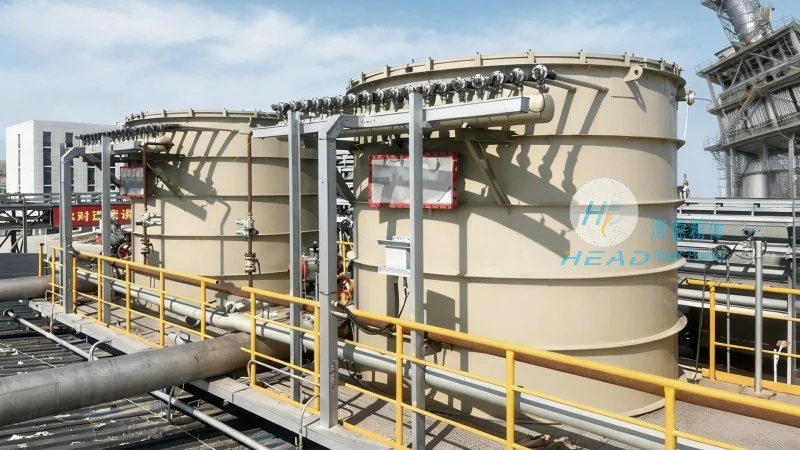
Principles of Bicarbonate of Soda Pneumatic Conveying
Pneumatic conveying is a method of transporting bulk materials through a pipeline using air or other gas as the conveying medium. For bicarbonate of soda, a light, non-corrosive powder, this technology leverages the material's physical properties to ensure efficient and safe transport. The core principle involves creating a pressure differential within the pipeline, either by suction (negative pressure) or pressure (positive pressure), to move the powder along with the gas flow. Key factors influencing the effectiveness of this process include the particle size, density, and flowability of the bicarbonate of soda, as well as the design of the conveying system, such as the type of airlock valves, cyclone separators, and pipeline layout. The system must be optimized to prevent material degradation, blockages, or excessive energy consumption, ensuring reliable operation in industrial settings.
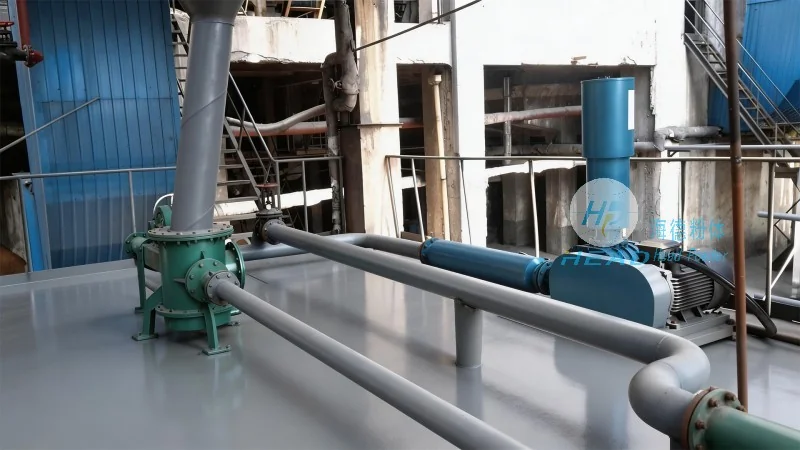
Applications in Industrial Sectors
Bicarbonate of soda, also known as sodium bicarbonate, is widely used in various industries, and pneumatic conveying technology is critical for its handling. In the chemical industry, it is used as a raw material for the production of other chemicals, and the conveying system must handle large volumes with precision to maintain product purity. The food and beverage industry utilizes bicarbonate of soda as a leavening agent and pH adjuster, requiring hygienic and dust-free conveying to meet food safety standards. In the pharmaceutical sector, the material is used in the formulation of medications, demanding strict control over particle size and contamination, which pneumatic conveying systems can achieve through proper filtration and cleaning protocols. Additionally, in the manufacturing of detergents and cleaning products, the technology ensures efficient transfer of the powder to production lines, enhancing overall operational efficiency.
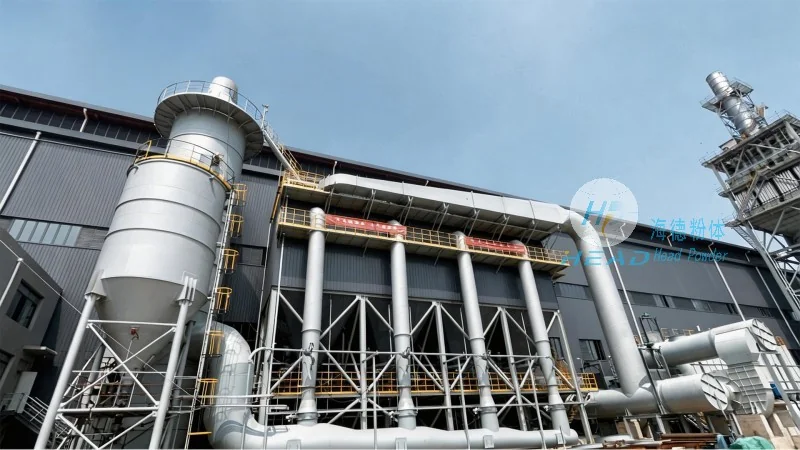
Technological Advancements and Development Trends
The field of pneumatic conveying for bicarbonate of soda is continuously evolving, driven by the need for higher efficiency, lower energy consumption, and improved environmental performance. Modern systems increasingly incorporate advanced control technologies, such as variable frequency drives (VFDs) and real-time monitoring, to optimize air flow and pressure, reducing energy waste. The adoption of closed-loop systems has become standard to minimize dust emissions and environmental impact, aligning with global sustainability goals. Furthermore, the integration of automation and robotics in material handling processes allows for more precise control over the conveying operation, reducing human error and enhancing safety. Future trends may see the development of more compact and modular systems, suitable for small-scale or on-site applications, as well as the use of alternative conveying media, such as nitrogen or carbon dioxide, to further enhance product purity and reduce oxidation. These advancements reflect the industry's commitment to innovation, ensuring that pneumatic conveying technology remains a reliable and efficient solution for the handling of bicarbonate of soda in diverse industrial applications.