

Pneumatic Conveying Technology for Wood Fiber: Principles, Applications, and Development Trends
Wood fiber pneumatic conveying technology represents a critical solution for efficiently transporting wood fiber materials in various industrial processes. This technology leverages air pressure to move wood fibers through pipelines, offering advantages such as reduced material degradation, enhanced safety, and improved process control compared to traditional methods like belt conveyors or manual handling.
Principles of Pneumatic Conveying for Wood Fiber
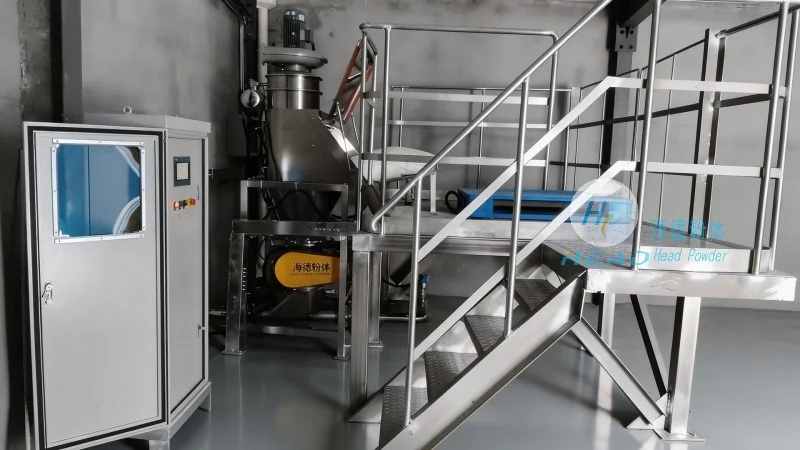
The core principle of wood fiber pneumatic conveying involves using compressed air or vacuum to create a flow that transports the material. There are two primary types of systems: positive pressure and negative pressure. Positive pressure systems generate air pressure at the material inlet, pushing the fiber through the pipeline, while negative pressure systems create a vacuum at the discharge end, drawing the material in. The choice between these systems depends on factors like material characteristics, pipeline length, and system layout. For wood fibers, which are lightweight and can be prone to dust generation, positive pressure systems are often preferred due to their ability to maintain consistent flow and minimize material separation.
Applications in Industrial Settings
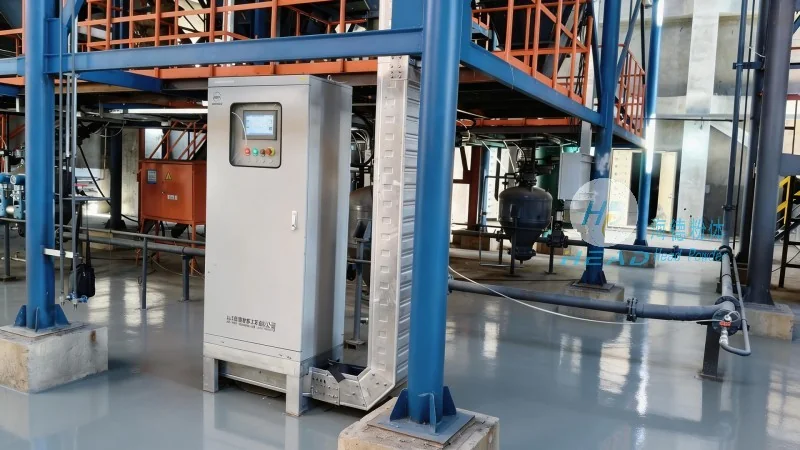
Wood fiber pneumatic conveying systems are widely used across multiple industries, particularly in the pulp and paper sector and wood processing facilities. In the pulp and paper industry, these systems efficiently transport raw wood fibers from storage areas to processing units, ensuring a continuous supply for paper production. For example, in a paper mill, a positive pressure system can transport wood chips or refined fibers from a storage silo to a refiner or bleaching unit, maintaining a steady flow that supports high production rates. In wood processing plants, the technology is used to move sawdust, shavings, or other wood waste materials to recycling or energy recovery systems. The ability to handle fine wood particles without clogging or damaging the material makes pneumatic conveying ideal for these applications. Additionally, in the manufacturing of wood-based panels, such as particleboard or fiberboard, the system efficiently transports wood fibers from the grinding stage to the board-forming equipment, ensuring uniform material distribution and consistent product quality.
Technological Advancements and Development Trends
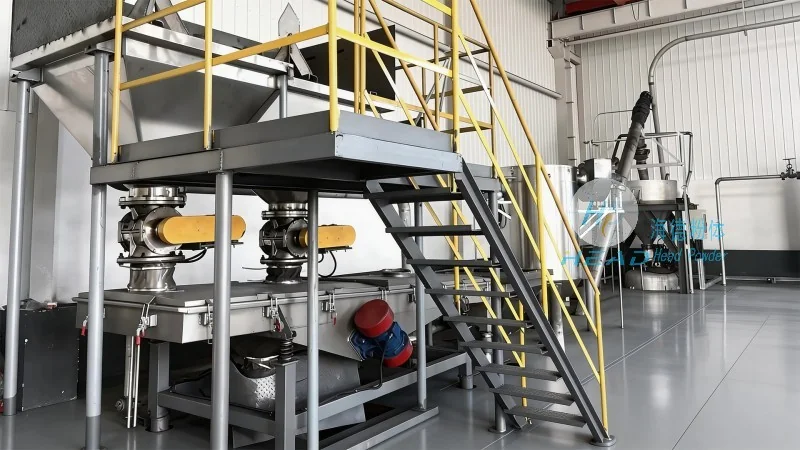
Over the years, wood fiber pneumatic conveying technology has evolved to address the challenges of modern industrial operations. Key developments include improvements in system efficiency, such as the integration of energy-saving blowers and optimized pipeline designs that reduce air consumption. Automation has also become a significant trend, with advanced control systems that monitor flow rates, pressure, and material levels in real-time. These systems can adjust air pressure and flow rates dynamically to maintain optimal performance, reducing energy waste and improving process reliability. Another trend is the use of materials with enhanced wear resistance in pipeline components, such as stainless steel or specialized coatings, to extend the lifespan of the system and minimize maintenance costs. Additionally, the adoption of modular system designs allows for easier installation and scalability, enabling companies to expand their conveying capabilities as production needs grow. These advancements not only improve operational efficiency but also contribute to sustainability by reducing material loss and energy consumption.
About Shandong HeadPowder Engineering Co., Ltd.
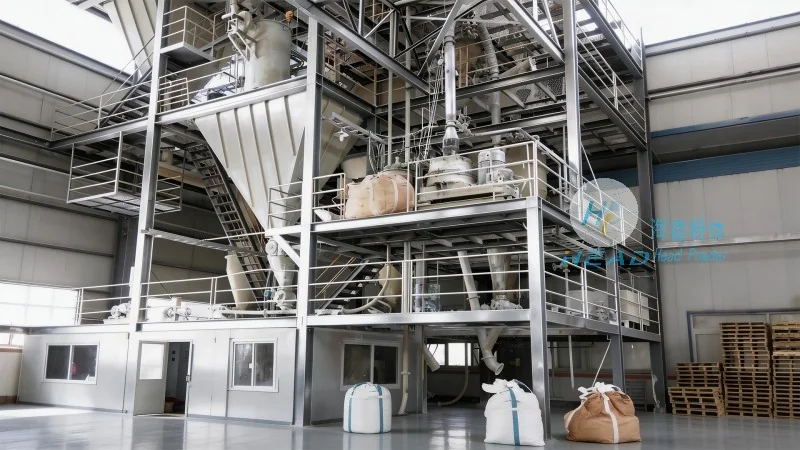
Shandong HeadPowder Engineering Co., Ltd., a leading provider of pneumatic conveying solutions, specializes in designing and manufacturing customized wood fiber pneumatic conveying systems tailored to the specific needs of industrial clients. With a focus on innovation and quality, the company leverages years of experience in the field to deliver reliable and efficient systems that enhance production processes. HeadPowder's team of engineers works closely with clients to understand their operational requirements, material characteristics, and budget constraints, ensuring that the final system meets all technical and performance standards. The company's facilities in Shandong, China, are equipped with advanced manufacturing equipment and testing capabilities, allowing for rigorous quality control and performance validation before delivery. By combining technical expertise with customer-centric service, HeadPowder has established itself as a trusted partner in the wood processing and related industries, helping businesses optimize their material handling operations and achieve greater productivity and cost savings.