

[Corn Kernels Pneumatic Conveying Technology: Principles, Applications, and Development Trends]
HeadPowder, a leading engineering company based in Shandong, China, specializes in the design and implementation of advanced pneumatic conveying systems for corn kernels. This article explores the fundamental principles of corn kernels pneumatic conveying, its practical applications across various industries, and the evolving trends in this technology.
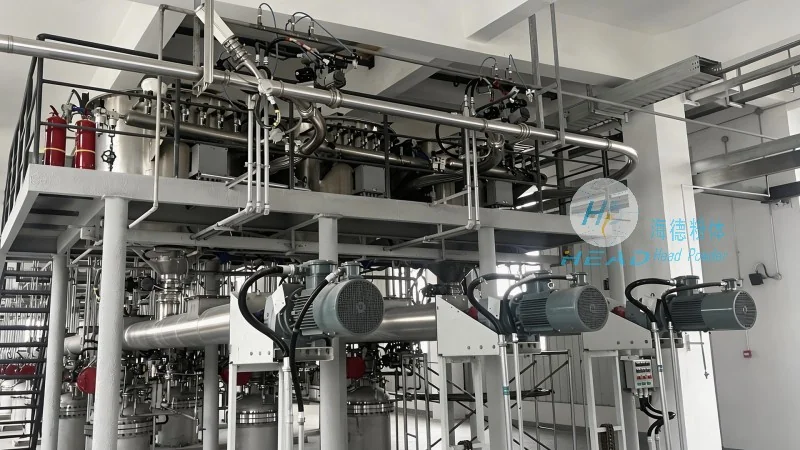
Pneumatic conveying, or air-based material handling, involves transporting bulk materials like corn kernels using a stream of air. The process typically relies on a pressure or vacuum system to move the material through a pipeline. For corn kernels, which are relatively light and have a certain size and shape, specialized equipment is required to ensure efficient and reliable transport. The core principle is to create a consistent airflow that lifts and propels the kernels through the system, minimizing product degradation and ensuring a smooth transfer from source to destination.
Key components of a corn kernels pneumatic conveying system include the hopper, feeder, conveyor line, and receiver. The hopper stores the corn kernels and provides a consistent feed to the feeder, which controls the flow rate. The conveyor line, often made of metal or plastic, is designed to withstand the abrasive nature of corn kernels and the pressure of the air system. The receiver collects the conveyed kernels and may include features like a dust collection system to maintain air quality and prevent contamination.
Applications of corn kernels pneumatic conveying span multiple sectors. In the agricultural and food processing industries, this technology is crucial for moving corn from storage facilities to processing plants, such as for milling, drying, or further processing into products like cornmeal or corn syrup. The ability to handle large volumes of corn kernels efficiently reduces labor costs and improves operational throughput. Additionally, in the animal feed industry, pneumatic conveying is used to transport corn kernels to feed mills, ensuring a consistent supply of raw material for animal feed production.
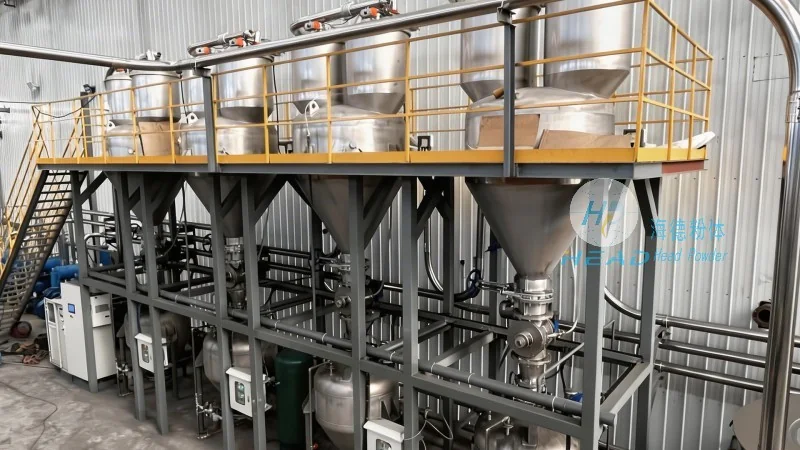
In the industrial sector, corn kernels are also used as a raw material in biofuel production, particularly for ethanol. Pneumatic conveying systems are essential in ethanol plants to transport corn kernels from storage to the milling and fermentation stages. The technology’s ability to handle high volumes and maintain product integrity is vital for the efficiency of biofuel production processes.
Technological advancements in corn kernels pneumatic conveying have focused on improving efficiency, reducing energy consumption, and enhancing product safety. Modern systems often incorporate variable frequency drives (VFDs) to adjust airflow and pressure based on the volume of material being conveyed, optimizing energy use. Additionally, advancements in material handling equipment, such as improved hopper designs and more durable conveyor lines, have extended the lifespan of the system and reduced maintenance costs.
Another trend is the integration of automation and control systems. Many modern pneumatic conveying systems now feature sensors and control panels that monitor airflow, pressure, and material flow in real-time. This allows for immediate adjustments to maintain optimal performance and prevent system failures. Automation also enhances safety by reducing the need for manual handling of the material, minimizing the risk of accidents.
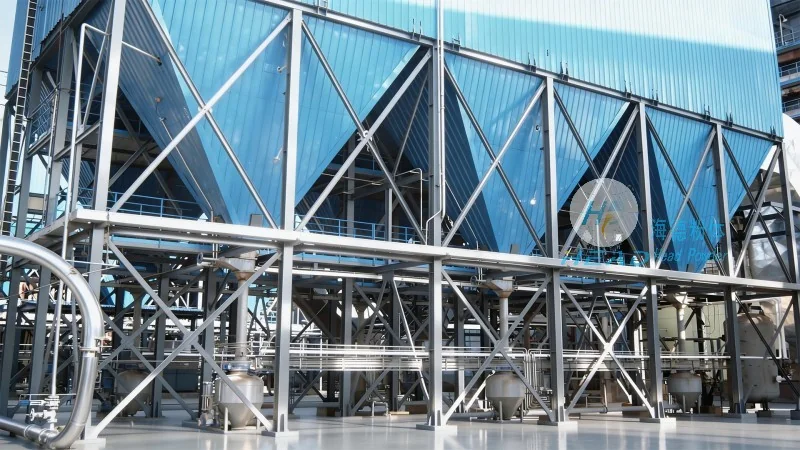
Environmental considerations have also driven developments in corn kernels pneumatic conveying. The industry has increasingly focused on reducing dust emissions and improving air quality. Advanced dust collection systems and enclosed conveyor lines are now standard in many applications, ensuring compliance with environmental regulations and protecting the health of workers.
As the demand for corn kernels continues to grow, the technology behind their pneumatic conveying is expected to evolve further. Future developments may include the use of more sustainable materials in system construction, such as recycled plastics or bio-based polymers, to reduce the environmental footprint. Additionally, research into more efficient airflow patterns and materials that better resist wear from corn kernels could lead to even more reliable and cost-effective systems.
HeadPowder, with its expertise in engineering and material handling, plays a key role in advancing these technologies. By combining traditional knowledge with modern innovations, the company provides tailored solutions for corn kernels pneumatic conveying that meet the specific needs of its clients. Whether for agricultural processing, food production, or biofuel manufacturing, HeadPowder’s systems ensure efficient, safe, and reliable transport of corn kernels, supporting the growth and sustainability of the industries that rely on this essential raw material.