

Kaolin Pneumatic Conveying Technology: Principles, Applications, and Development Trends
High-quality kaolin processing and efficient material handling are critical for industries relying on this mineral. Pneumatic conveying technology offers a reliable solution for transporting kaolin, addressing challenges such as dust control, material degradation, and operational efficiency. This article explores the fundamental principles of kaolin pneumatic conveying, its diverse applications across various sectors, and emerging trends that are shaping the industry's evolution.
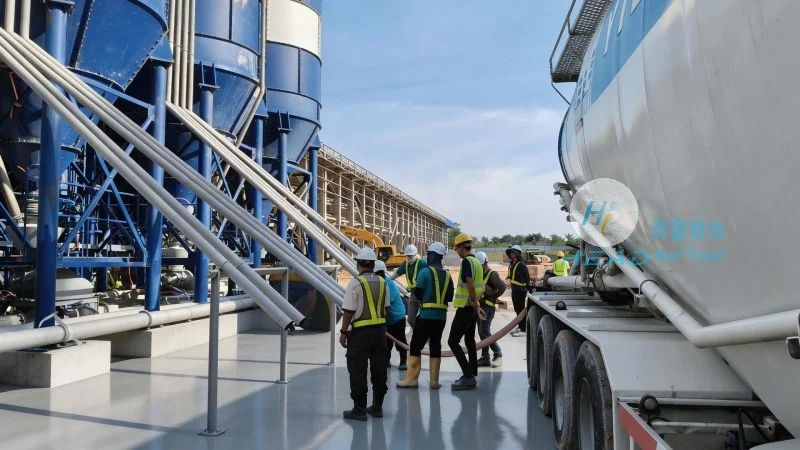
Company Profile: Shandong HeadPowder Engineering Co., Ltd.
As a leading provider in the field, Shandong HeadPowder Engineering Co., Ltd. specializes in advanced material handling solutions tailored to the unique demands of kaolin processing. With a strong presence in Shandong, China, the company leverages decades of expertise to deliver customized pneumatic conveying systems that enhance productivity and ensure compliance with industry standards. Their commitment to innovation and customer satisfaction positions them as a trusted partner for businesses seeking to optimize their kaolin handling operations.
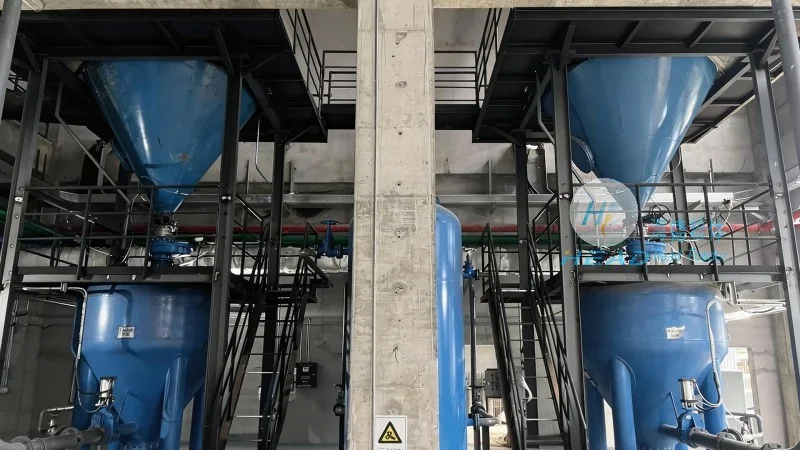
Principles of Kaolin Pneumatic Conveying
Kaolin pneumatic conveying operates by using air to transport dry powders like kaolin through a pipeline system. The core principle involves creating a pressure differential or utilizing vacuum to move the material. Two primary methods are commonly employed: suction (or vacuum) conveying and pressure (or positive) conveying. Suction systems draw material from a source using a vacuum pump, while pressure systems force air and material through the pipeline using a blower or compressor. The choice between these methods depends on factors such as material properties, distance, and system layout. For kaolin, which is typically fine and cohesive, suction conveying is often preferred due to its ability to handle low concentrations and minimize material degradation. The system typically includes a hopper, a rotary valve, a vacuum pump, and a receiver, with air flow controlled to maintain consistent material transport. Key parameters such as air velocity, pressure, and material feed rate are carefully calibrated to ensure efficient and stable operation. The design of the conveying line, including pipe diameter, bends, and fittings, is critical to minimize pressure losses and prevent blockages, which are common issues with fine powders like kaolin. Proper sealing and filtration are also essential to prevent dust emissions and maintain air quality, aligning with environmental regulations.
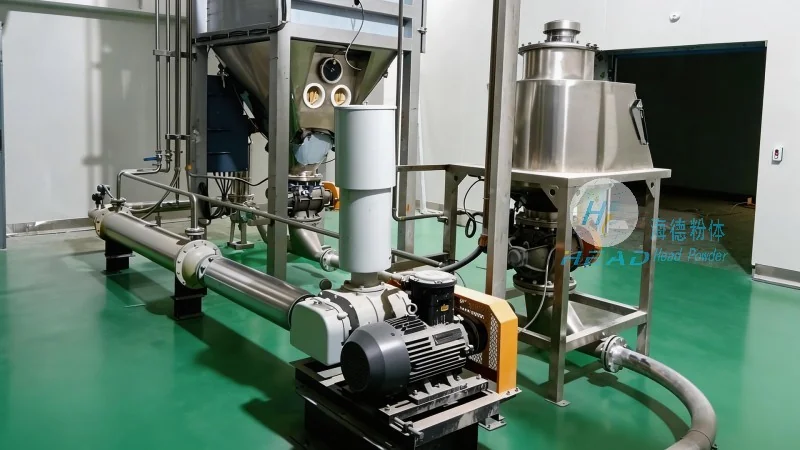
Applications in Industrial Sectors
Kaolin pneumatic conveying finds extensive applications across multiple industries, leveraging its ability to handle fine powders with precision and minimal contamination. In the ceramics industry, kaolin is a primary raw material for producing high-quality porcelain and ceramic products. Pneumatic conveying systems efficiently transport kaolin from storage silos to mixing and processing equipment, ensuring consistent material quality and reducing manual handling risks. The fine particle size of kaolin requires gentle handling to avoid agglomeration, which the controlled air flow in pneumatic systems addresses effectively. In the paper industry, kaolin is used as a coating and filler to improve paper brightness and strength. Pneumatic conveying enables seamless integration of kaolin into paper production lines, maintaining uniform particle distribution and enhancing the final product's performance. The chemical industry also utilizes kaolin for various applications, including as a filler in plastics and as a component in pharmaceuticals. Pneumatic systems facilitate the safe and efficient transport of kaolin in these processes, adhering to stringent quality and safety standards. Additionally, in the construction sector, kaolin-based materials are used in paints and coatings, where pneumatic conveying ensures accurate dosing and consistent product formulation. Each application benefits from the ability of pneumatic systems to handle kaolin in a controlled manner, minimizing waste and optimizing production efficiency.
Emerging Trends and Technological Advancements
The field of kaolin pneumatic conveying is continuously evolving, driven by advancements in technology and increasing demand for efficiency and sustainability. One key trend is the integration of automation and control systems, which enhance operational reliability and reduce human intervention. Modern systems now feature advanced sensors and control panels that monitor air pressure, material flow, and system performance in real-time. This allows for immediate adjustments to maintain optimal conveying conditions, improving overall system efficiency and reducing downtime. Another significant development is the adoption of energy-efficient components, such as high-efficiency blowers and vacuum pumps, which lower operational costs and reduce environmental impact. The use of variable frequency drives (VFDs) in conveying systems enables precise control of air flow, further optimizing energy consumption. Additionally, advancements in material handling equipment, such as improved rotary valves and hopper designs, enhance the system's ability to handle fine powders like kaolin without clogging or degradation. The trend toward modular and customizable systems also allows companies to adapt their conveying solutions to evolving production needs, providing flexibility and scalability. Furthermore, the focus on environmental sustainability is driving innovations in dust control and emission reduction. Advanced filtration systems and enclosed conveying lines are being implemented to minimize air pollution and comply with increasingly stringent environmental regulations. These advancements not only improve operational efficiency but also contribute to a more sustainable industrial practice, aligning with global efforts to reduce carbon footprints and promote eco-friendly technologies.
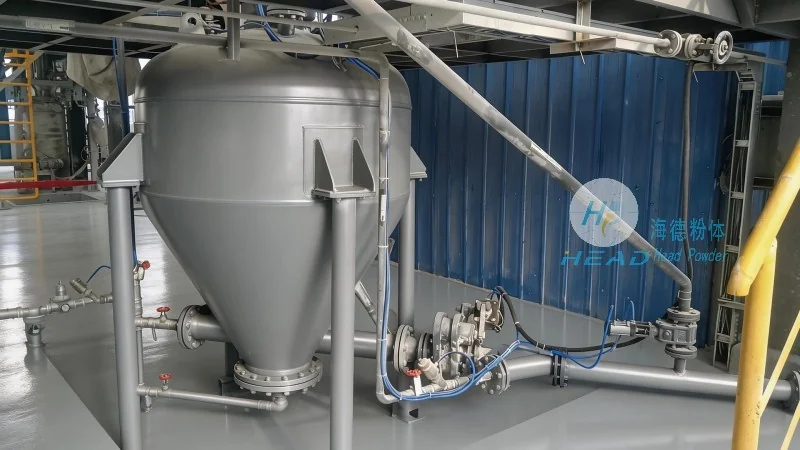
Conclusion and Future Outlook
Kaolin pneumatic conveying technology remains a cornerstone of efficient material handling in industries reliant on this valuable mineral. The principles of suction and pressure conveying, combined with advanced system design and control, enable reliable and cost-effective transport of kaolin. Applications across ceramics, paper, chemicals, and construction sectors demonstrate the versatility and importance of pneumatic systems in maintaining product quality and operational efficiency. Emerging trends, including automation, energy efficiency, and sustainability, are shaping the future of kaolin handling, with continuous innovations aimed at enhancing performance and reducing environmental impact. As industries continue to evolve, the role of advanced pneumatic conveying systems will remain critical in optimizing kaolin processing and ensuring long-term operational success. Shandong HeadPowder Engineering Co., Ltd. stands at the forefront of these advancements, providing tailored solutions that meet the evolving needs of the industry while upholding the highest standards of quality and reliability.