

Coal Gangue Pneumatic Conveying Technology: Principles, Applications, and Development Trends
Shandong HeadPowder Engineering Co., Ltd., a leading enterprise based in Shandong, China, specializes in advanced coal gangue handling solutions. The company focuses on developing and implementing efficient pneumatic conveying technologies for coal gangue, a byproduct of coal mining and processing. This article explores the principles, applications, and future trends of coal gangue pneumatic conveying technology, highlighting the technical advancements and practical implementations in the industry.
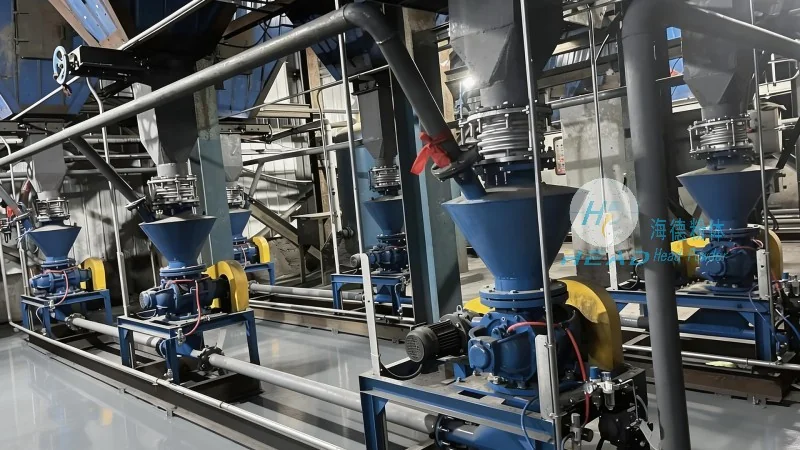
Coal Gangue Pneumatic Conveying Technology Overview
Pneumatic conveying is a key method for transporting bulk materials like coal gangue, offering advantages such as low energy consumption, minimal maintenance, and the ability to handle materials in a dust-free environment. The technology involves using air pressure to move solid particles through a pipeline system. For coal gangue, which is often characterized by its high moisture content and abrasive nature, specialized equipment and systems are required to ensure reliable and efficient transport. This overview provides a foundational understanding of how pneumatic conveying technology addresses the unique challenges of coal gangue handling.
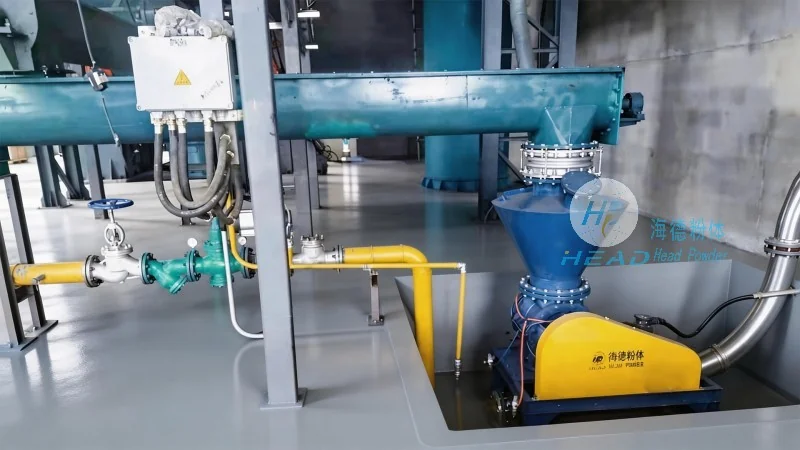
Principles of Pneumatic Conveying for Coal Gangue
The core principle of pneumatic conveying for coal gangue is the use of air flow to suspend and transport solid particles. There are two main types of pneumatic conveying systems: suction (or vacuum) systems and pressure systems. Suction systems use a vacuum at the receiving end to draw material into the pipeline, while pressure systems use compressed air to push material through the system. The choice between these systems depends on factors such as the distance of transport, the volume of material, and the need for dust control. Key components of a pneumatic conveying system for coal gangue include the material feeder, which ensures a consistent flow of gangue into the pipeline; the conveying pipeline, which is typically made of corrosion-resistant materials like stainless steel or special alloys to withstand the abrasive properties of coal gangue; the air separation unit, which separates the material from the air at the discharge end; and the dust collection system, which captures any fine particles to prevent environmental contamination. The system operates by feeding coal gangue into the feeder, which then introduces the material into the pipeline. Air is then introduced, either by a vacuum pump in suction systems or a compressor in pressure systems, to create a flow that carries the gangue particles. The material is suspended in the air stream and transported to the destination. At the discharge point, the air is separated from the material, and the gangue is collected for further processing or disposal. The air, now containing fine dust, is directed to a dust collector for filtration and re-use or disposal, ensuring compliance with environmental regulations.
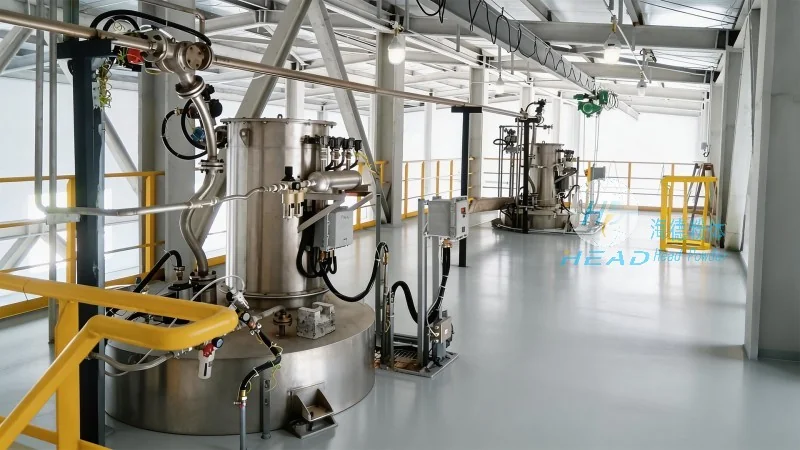
Applications of Coal Gangue Pneumatic Conveying
Coal gangue pneumatic conveying technology is widely applied in various industrial settings, particularly in coal mining and processing facilities. One primary application is the transport of coal gangue from mining sites to processing plants or disposal sites. In these scenarios, the technology allows for the efficient movement of large volumes of gangue over significant distances, reducing the need for traditional truck transport, which can be costly and environmentally unfriendly. Another key application is the transfer of coal gangue within processing plants, such as from crushers to storage silos or from storage to conveyor systems for further processing. This internal transport is crucial for maintaining the flow of materials in the production line and minimizing downtime. Additionally, the technology is used in the handling of coal gangue for reclamation projects, where the material is transported to designated disposal or reclamation sites. The ability to handle high volumes of gangue with minimal labor and energy input makes pneumatic conveying an attractive solution for these applications. In mining operations, the system can be integrated with other equipment, such as crushers and screens, to form a continuous material handling line. This integration ensures that coal gangue is processed and transported efficiently, from extraction to final disposal or reclamation. The technology also supports the handling of gangue in power plants, where it may be used as a fuel source or disposed of in landfills. The flexibility of pneumatic conveying allows it to adapt to different processing requirements, making it a versatile solution for various industrial needs.
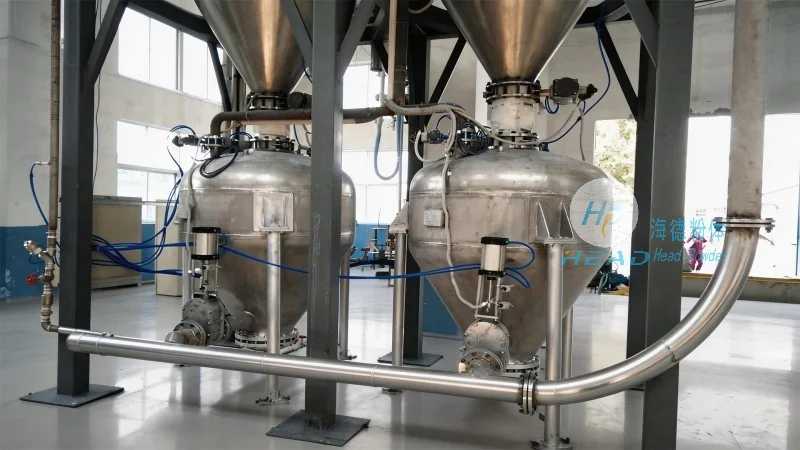
Development Trends in Coal Gangue Pneumatic Conveying
The development of coal gangue pneumatic conveying technology is driven by several factors, including increasing environmental regulations, the need for more efficient material handling, and advancements in automation and control systems. One key trend is the shift towards more automated and intelligent systems. Modern pneumatic conveying systems now incorporate advanced sensors and control technologies that monitor the flow of material, air pressure, and system performance in real-time. This allows for better control and optimization of the conveying process, reducing energy consumption and minimizing the risk of system failures. Another trend is the use of more durable and corrosion-resistant materials for the conveying pipeline and components. As coal gangue is often abrasive and may contain acidic or corrosive substances, the materials used in the system must be able to withstand these conditions without degradation. This has led to the adoption of stainless steel, special alloys, and other high-performance materials that extend the lifespan of the equipment. Additionally, there is a growing focus on energy efficiency and sustainability. Newer systems are designed to use less air and energy while maintaining or improving conveying capacity. This is achieved through optimized air flow designs, more efficient motors, and better material feeding mechanisms. The integration of renewable energy sources, such as solar or wind power, into the system's operation is also being explored to further reduce the carbon footprint of coal gangue handling. Furthermore, the development of compact and modular systems is a trend that allows for easier installation and maintenance in various industrial settings. These systems can be customized to fit specific space constraints and operational requirements, making them more adaptable to different applications. Overall, the future of coal gangue pneumatic conveying technology is towards more efficient, automated, and environmentally friendly solutions that meet the evolving needs of the industry.