

What is Red Mud Pneumatic Conveying Equipment? Introduction to the Structure and Principle of Powder
Red mud, a byproduct of bauxite processing in the aluminum industry, poses significant challenges in handling and transportation due to its high moisture content, abrasive nature, and potential environmental impact. Traditional methods like belt conveyors or bucket elevators often struggle with these characteristics, leading to equipment wear, material degradation, and operational inefficiencies. To address these issues, pneumatic conveying systems have emerged as a reliable solution for transporting red mud efficiently and safely. This article delves into the structure and working principle of red mud pneumatic conveying equipment, highlighting its key components and operational mechanisms.
Key Components of Red Mud Pneumatic Conveying Systems
The red mud pneumatic conveying system typically consists of several core components that work in tandem to ensure smooth material transport. The primary elements include the material feed hopper, the conveying pipeline, the air compressor or blower, the control system, and the discharge outlet. Each component plays a crucial role in the overall functionality of the system.
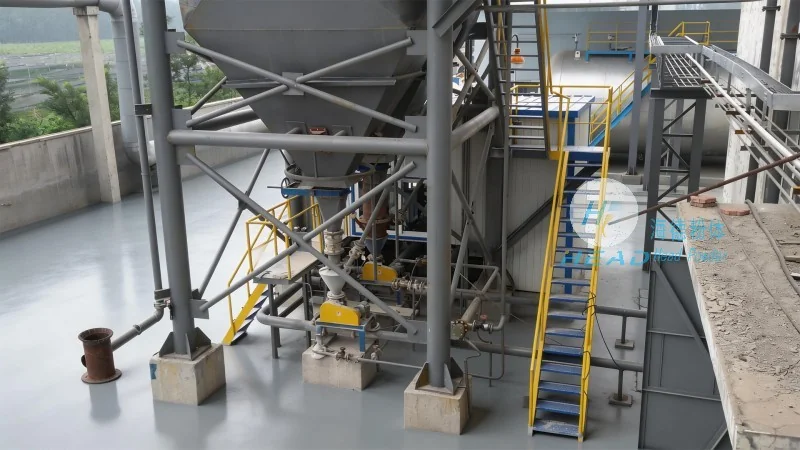
The material feed hopper is designed to store and feed the red mud into the conveying pipeline. It often features a hopper with a sloped bottom to facilitate material flow, equipped with a feeder mechanism such as a rotary valve or a screw conveyor to regulate the discharge rate. This ensures a consistent and controlled supply of red mud to the system, preventing blockages and maintaining steady operation.
The conveying pipeline is the main channel through which the red mud is transported. It is usually made of corrosion-resistant materials like stainless steel or polyethylene to withstand the abrasive and corrosive properties of red mud. The pipeline is designed with appropriate bends and fittings to guide the material to the discharge point while minimizing pressure losses and ensuring efficient flow.
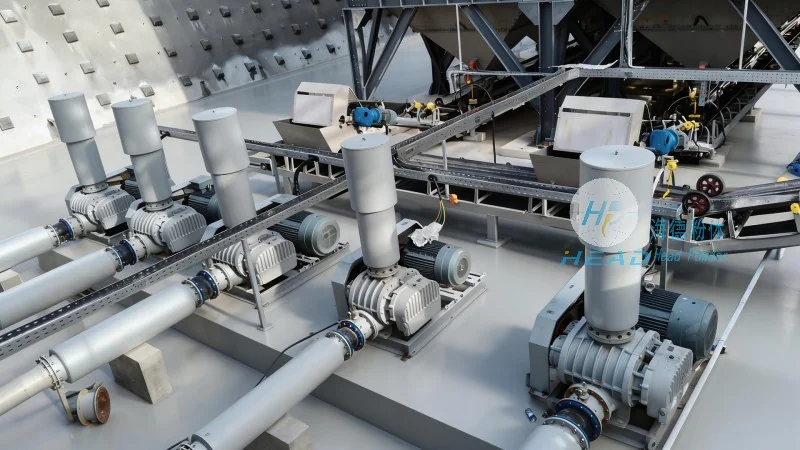
The air compressor or blower generates the necessary airflow to move the red mud particles through the pipeline. Depending on the system design, this can be either a positive displacement blower or a centrifugal fan. The air pressure and flow rate are critical parameters that determine the conveying capacity and distance. The compressor is typically equipped with a filter and moisture separator to maintain air quality and prevent contamination.
The control system monitors and regulates the operation of the pneumatic conveying system. It includes sensors for pressure, flow, and level, as well as control valves and actuators to adjust the air supply and material feed. This ensures that the system operates within safe and efficient parameters, preventing overloading or underloading and optimizing energy consumption.
The discharge outlet is where the red mud is released from the pipeline. It is usually designed with a hopper or a valve to control the discharge rate and prevent material spillage. The outlet may also include a dust collection system to capture any airborne particles and ensure environmental compliance.

Working Principle of Red Mud Pneumatic Conveying
The operation of a red mud pneumatic conveying system follows a simple yet effective principle: the red mud particles are suspended in a high-velocity air stream and carried through the pipeline to the discharge point. The process can be divided into several stages: material feeding, air generation, particle suspension, and discharge.
During the material feeding stage, the red mud is introduced into the feed hopper and then transferred to the conveying pipeline via the feeder mechanism. The feeder controls the flow rate to match the air flow, ensuring that the material is properly suspended in the air stream.
In the air generation stage, the air compressor or blower produces a high-pressure air flow. This air is directed into the conveying pipeline, creating a turbulent flow that can lift and transport the red mud particles.