

What is Cocoa Pneumatic Conveying Equipment? An Introduction to the Structure and Principle of Powde
Understanding the mechanics and design of cocoa pneumatic conveying equipment is essential for industries dealing with bulk powder handling. This equipment, commonly referred to as a powder handling system, plays a critical role in efficiently transporting cocoa powder and other similar dry materials. The following sections will explore the structural components and operational principles that define these systems, providing a comprehensive overview for professionals in the field.
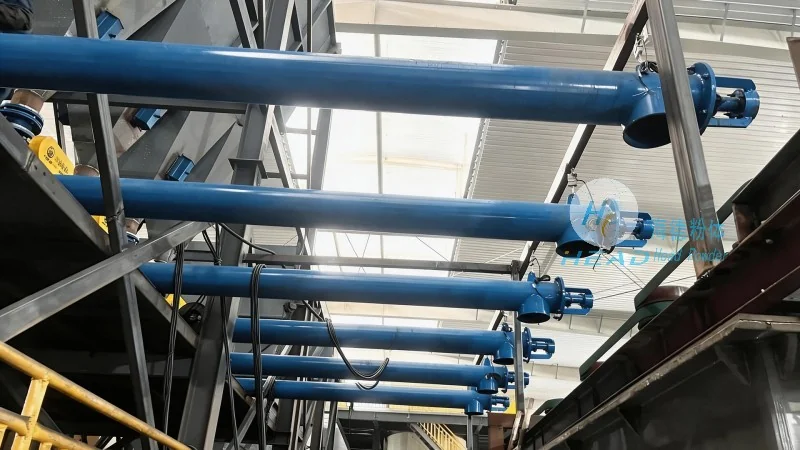
Introduction to Cocoa Pneumatic Conveying Systems
Cocoa pneumatic conveying equipment is a specialized type of material handling system designed to transport dry powders, such as cocoa, through a network of pipes using compressed air or other gases. Unlike traditional mechanical conveyors, which rely on physical contact and friction to move materials, pneumatic systems utilize air pressure to create a flow of material within the system. This method offers several advantages, including the ability to handle delicate or abrasive powders without causing damage, and the flexibility to transport materials over long distances or through complex layouts.
Structural Components of the Equipment
The core components of a typical cocoa pneumatic conveying system include several key elements that work in concert to ensure efficient material transport. The primary components are the feed hopper, which holds the cocoa powder and controls the flow rate; the air supply unit, which generates the necessary pressure to move the material; the conveying line, which consists of pipes that carry the powder and air mixture; and the separator, which separates the cocoa powder from the air at the end of the line. Additionally, many systems include a filter system to capture any fine particles and prevent contamination, and a control panel to monitor and adjust the system's performance.
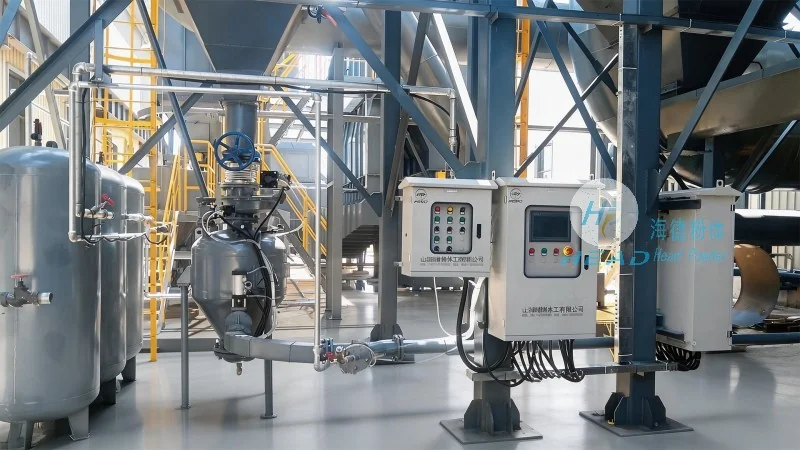
Working Principle of Pneumatic Conveying
The operational principle of cocoa pneumatic conveying equipment is based on the fundamental physics of fluid dynamics. In a positive pressure system, compressed air is introduced at the feed hopper, creating a pressure differential that forces the cocoa powder into the conveying line. The air and powder mixture travels through the pipes, maintaining a consistent velocity to prevent material settling or blockages. At the discharge point, the system uses a separator, often a cyclone or bag filter, to separate the powder from the air. The air is then discharged to the atmosphere, while the cocoa powder is collected in a receiving bin. In contrast, negative pressure systems draw air and powder into the system using a vacuum, which is particularly useful for applications requiring dust control or when the material needs to be transported from a lower to a higher elevation.
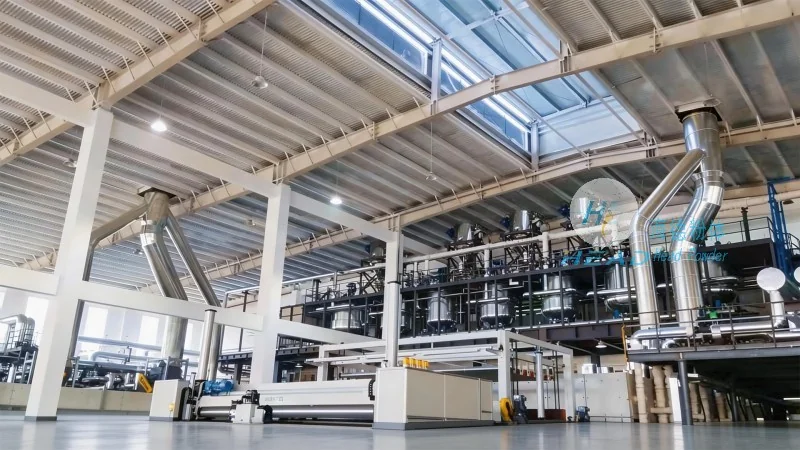
Applications and Industry Relevance
Cocoa pneumatic conveying equipment is widely used in the food processing industry, particularly in chocolate manufacturing and cocoa processing facilities. The equipment is essential for transporting cocoa powder from storage silos to production lines, ensuring a continuous and hygienic supply of raw materials. Its ability to handle fine powders without contamination makes it ideal for applications where product quality and purity are paramount. Additionally, the system's flexibility allows it to be integrated into existing production layouts, adapting to the specific needs of each facility.
About Shandong HeadPowder Engineering Co., Ltd.
Shandong HeadPowder Engineering Co., Ltd., commonly known as HeadPowder, is a leading manufacturer of advanced powder handling equipment. With a focus on innovation and quality, the company specializes in designing and producing customized pneumatic conveying systems tailored to the unique requirements of various industries. HeadPowder's products are engineered to meet stringent safety and hygiene standards, ensuring reliable performance in demanding environments. The company's headquarters is located in Shandong, China, where it leverages local expertise and resources to deliver high-quality solutions to clients worldwide.