

Monosodium Glutamate Pneumatic Conveying Equipment: Structure and Principle of Powder Conveying Equi
Monosodium glutamate (MSG) is a widely used flavor enhancer in the food industry, and its efficient handling requires specialized equipment. Pneumatic conveying systems are a critical solution for transporting MSG and other fine powders. This article provides an overview of the structure and operational principles of such equipment, highlighting the key components and how they function together to ensure reliable and efficient powder transport.
Introduction to Pneumatic Conveying Systems for Powder Materials
Pneumatic conveying, or air-powered transport, is a method of moving bulk materials like MSG through a pipeline using compressed air. Unlike mechanical systems that rely on belts or screws, pneumatic conveyors use air pressure to create a flow of material. This technology is particularly advantageous for delicate powders, as it minimizes product degradation and contamination. The system is designed to handle materials with varying particle sizes and moisture content, making it versatile for different industrial applications.
Components of a Typical Pneumatic Conveying System
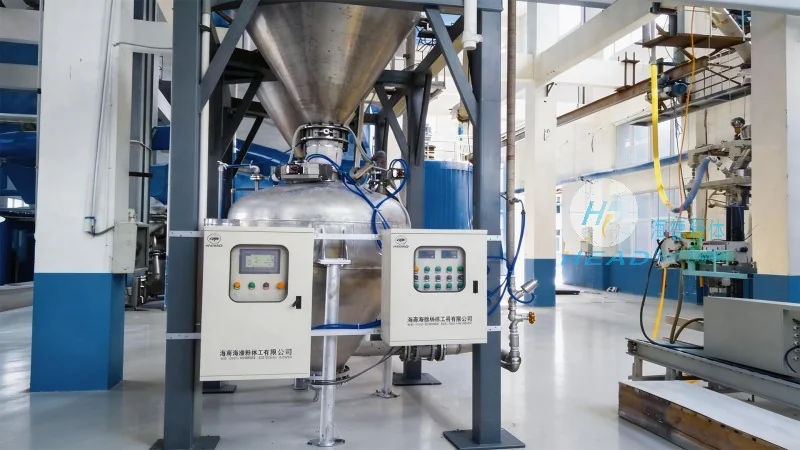
A standard pneumatic conveying system consists of several key components that work in tandem to move the powder. The primary elements include a hopper or feeder for material storage, a blower or compressor to generate the air pressure, a pipeline network to guide the material, and a receiver or silo for the discharged product. Each component plays a crucial role in the overall efficiency and performance of the system.
The hopper or feeder is responsible for storing the MSG and controlling the flow rate. It is typically equipped with a gate or valve to regulate the amount of material entering the system. The blower or compressor provides the necessary air pressure, which can be either positive (pressure) or negative (vacuum) depending on the system design. The pipeline network connects the feeder to the discharge point, ensuring a continuous flow of material. The receiver or silo collects the discharged MSG, allowing for easy storage and subsequent use in production processes.
Working Principle of Pneumatic Conveying
The operation of a pneumatic conveying system involves the creation of a pressure differential that propels the powder through the pipeline. In a positive pressure system, compressed air is introduced into the hopper, lifting the powder and pushing it through the pipeline. The air and powder mixture travels to the receiver, where the air is separated from the product, often using a cyclone or filter. In a negative pressure system, a vacuum is created at the receiver end, drawing the powder and air mixture from the feeder. Both systems rely on the interaction between air velocity and particle size to maintain a stable flow.
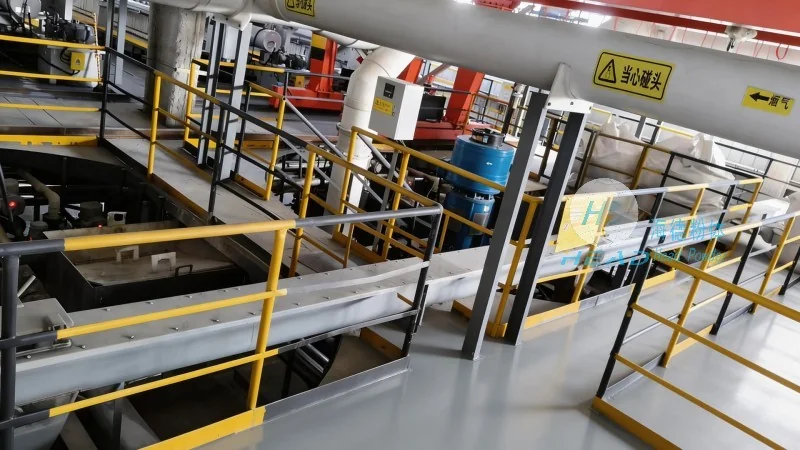
The key to efficient conveying is maintaining the correct air-to-material ratio. If the air velocity is too low, the powder may settle and cause blockages. Conversely, if the velocity is too high, the powder may be over-pressurized, leading to product degradation or equipment wear. Proper system design and maintenance are essential to achieve the optimal air-to-material ratio for specific MSG characteristics.
Application in Monosodium Glutamate Handling
For MSG, which is a fine, hygroscopic powder, pneumatic conveying offers several benefits. The system can handle the material without causing clumping or caking, which is common in mechanical systems. Additionally, the enclosed pipeline design prevents contamination from external sources, ensuring the product remains pure and meets food safety standards. The ability to transport MSG from storage to processing areas without manual handling also enhances operational safety and efficiency.
Shandong HeadPowder Engineering Co., Ltd., a leading manufacturer based in China, specializes in designing and manufacturing pneumatic conveying systems tailored to the needs of the food industry. Their expertise in handling delicate powders like MSG has made them a trusted partner for many food processing companies. The company’s systems are engineered to meet strict quality and safety standards, ensuring reliable performance in demanding production environments.
Advantages of Pneumatic Conveying for Powder Transport
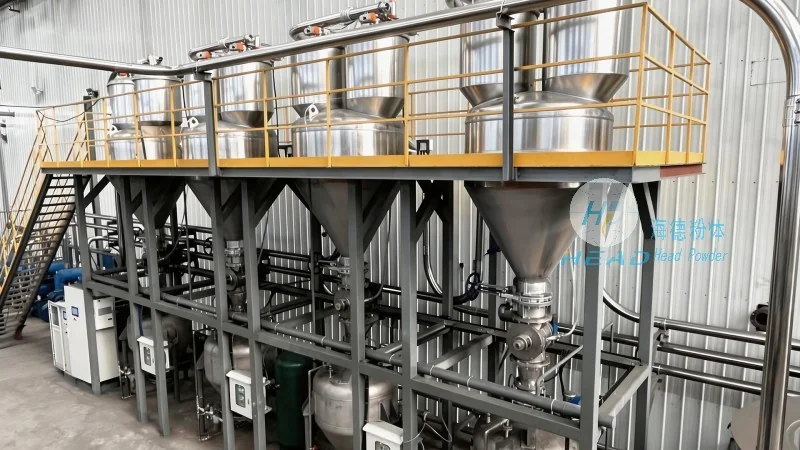
Pneumatic conveying systems offer several advantages over traditional mechanical methods for transporting powders. One of the primary benefits is the ability to handle materials with high moisture content or hygroscopic properties, such as MSG, without causing degradation. The enclosed system also reduces dust emissions, improving workplace safety and compliance with environmental regulations. Furthermore, pneumatic conveyors can transport materials over long distances and through multiple levels, making them suitable for complex production layouts.
Another advantage is the flexibility in system design. Positive and negative pressure systems can be combined to create a multi-stage conveying process, allowing for more complex material handling. The system can also be integrated with other equipment, such as mixers or classifiers, to form a complete production line. This integration enhances overall operational efficiency and reduces the need for manual intervention.
Maintenance and Operational Considerations
Proper maintenance is crucial to ensure the long-term performance and reliability of a pneumatic conveying system. Regular cleaning of the pipeline and components is necessary to prevent the buildup of powder residue, which can lead to blockages or reduced efficiency. The blower or compressor should be checked regularly for wear and tear, and the air filter should be replaced as needed to maintain proper air quality. Additionally, the system should be inspected for leaks, as even small air leaks can significantly impact the conveying efficiency.
Operational considerations also include monitoring the air pressure and flow rate. The system should be adjusted based on the specific characteristics of the MSG being transported, such as particle size and moisture content. This ensures that the air-to-material ratio remains optimal, preventing issues like blockages or product degradation. Training operators on the proper use and maintenance of the system is also essential to maximize its lifespan and performance.