

What is Clay Pneumatic Conveying Equipment? Introduction to the Structure and Principle of Powder Co
Clay pneumatic conveying equipment is a specialized system designed to transport clay and other fine powders through an air stream. This technology is crucial in industries such as ceramics, construction, and chemical processing, where efficient and dust-free material handling is essential. The following article provides a detailed overview of the structure and operational principles of such equipment, highlighting its key components and how they work together to ensure reliable material transport.
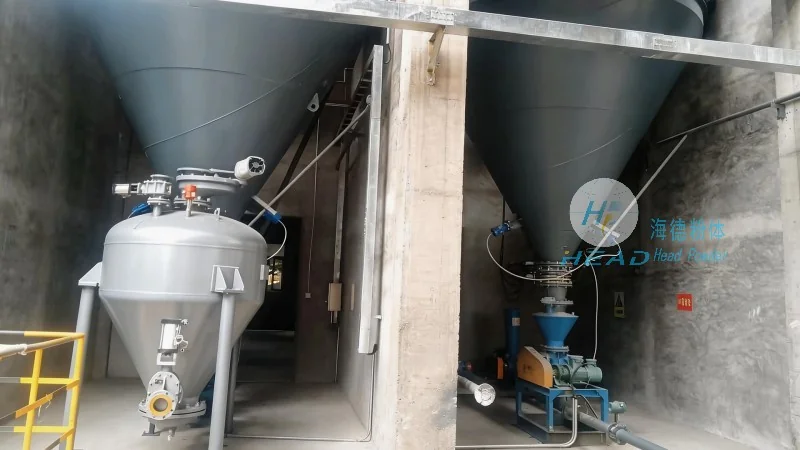
Understanding the Core Components of Clay Pneumatic Conveying Systems
The clay pneumatic conveying system typically consists of several key components that work in tandem to move material from the source to the destination. The primary components include the material feeder, the air supply system, the conveying pipeline, the separation and collection unit, and the control system. Each component plays a vital role in the overall efficiency and effectiveness of the conveying process.
First, the material feeder is responsible for feeding the clay into the system. This can be a rotary valve, a star feeder, or a hopper with a discharge valve, depending on the specific application and the characteristics of the clay. The feeder ensures a consistent and controlled flow of material, preventing blockages and maintaining a steady pressure within the system.
Next, the air supply system provides the necessary airflow to create the pneumatic conveying effect. This typically involves a blower or a compressor that generates the required air pressure and volume. The air is then directed into the conveying pipeline, where it mixes with the clay particles to form a slurry or a dilute phase flow.
The conveying pipeline is the main channel through which the clay and air mixture travels. It is usually made of stainless steel or other corrosion-resistant materials to withstand the abrasive nature of clay and prevent material buildup. The pipeline may include bends, elbows, and expansion joints to accommodate changes in direction and elevation, ensuring smooth material transport without excessive pressure loss.
Following the pipeline is the separation and collection unit, which separates the clay particles from the air stream and collects the material at the destination. This unit can be a cyclone separator, a bag filter, or a combination of both. The cyclone uses centrifugal force to separate larger particles from the air, while the bag filter captures finer particles, ensuring that the material is delivered in a clean and dry state.
Finally, the control system monitors and regulates the operation of the entire system. It includes sensors to measure pressure, flow rate, and material level, as well as controls to adjust the air supply and feeder speed. This ensures that the system operates within optimal parameters, minimizing energy consumption and maximizing material throughput.
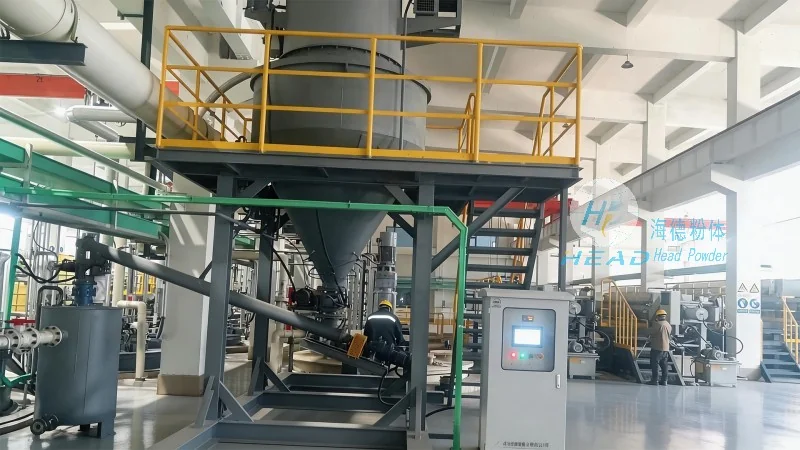
The Operational Principle of Clay Pneumatic Conveying
The operational principle of clay pneumatic conveying is based on the creation of a low-pressure or high-pressure air stream that carries the clay particles through the pipeline. There are two main types of pneumatic conveying systems: dilute phase and dense phase. Dilute phase systems operate at higher air velocities and lower material concentrations, while dense phase systems operate at lower air velocities and higher material concentrations.
In a dilute phase system, the clay particles are suspended in the air stream and transported as a dilute mixture. The air velocity is typically between 20-30 meters per second, and the material concentration is low (around 5-10% by volume). This type of system is suitable for short to medium distances and for materials that are not too abrasive. The key advantage of dilute phase systems is their high material throughput and low pressure drop.
In a dense phase system, the clay particles are transported in a more concentrated mixture, with the air velocity being lower (around 10-15 meters per second) and the material concentration higher (around 20-30% by volume). This type of system is suitable for longer distances and for materials that are more abrasive or have higher moisture content. The dense phase system provides better control over the material flow and reduces the risk of material degradation.
The operation of the system begins with the material feeder delivering clay into the pipeline. The air supply system then injects air into the pipeline, creating a pressure differential that draws the clay particles into the air stream. As the mixture travels through the pipeline, the air velocity and pressure are maintained at optimal levels to ensure that the clay particles remain suspended and are transported to the destination. At the end of the pipeline, the separation unit separates the clay from the air, and the clay is collected in a hopper or storage tank.
Applications and Benefits of Clay Pneumatic Conveying Equipment
Clay pneumatic conveying equipment is widely used in various industries due to its advantages over traditional material handling methods. Some of the key applications include:
1. Ceramics and pottery production: In the ceramics industry, clay is used as a raw material for making tiles, bricks, and pottery. Pneumatic conveying allows for efficient and dust-free transport of clay from storage to the production line, ensuring consistent quality and reducing the risk of contamination.
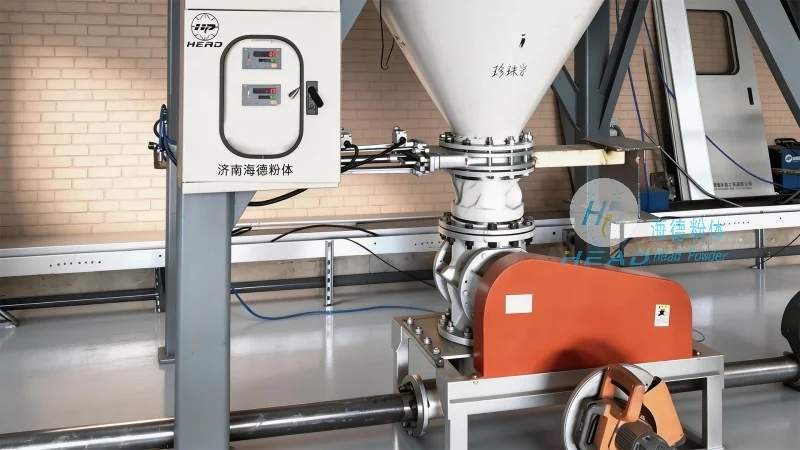
2. Construction materials: Clay is used in the production of cement, concrete, and other construction materials. Pneumatic conveying helps in transporting clay from quarries to processing plants, improving the efficiency of the production process and reducing labor costs.
3. Chemical processing: In chemical plants, clay is used as a filter aid or as a raw material for various chemical products. Pneumatic conveying enables the safe and reliable transport of clay, minimizing the risk of dust explosions and ensuring compliance with safety regulations.
4. Food and pharmaceutical industries: Although less common for clay, pneumatic conveying can be used to transport other fine powders that are similar in properties to clay, such as starch or sugar. The dust-free and hygienic nature of the system makes it suitable for these industries.
Some of the key benefits of using clay pneumatic conveying equipment include:
1. Dust-free operation: Unlike traditional methods such as belt conveyors or bucket elevators, pneumatic conveying eliminates dust and reduces the risk of respiratory problems for workers.
2. Low maintenance: The system has fewer moving parts compared to other material handling equipment, resulting in lower maintenance costs and longer service life.
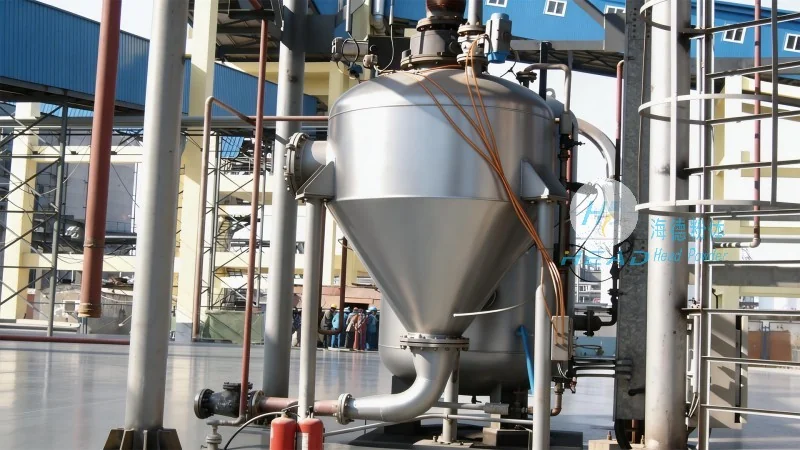
3. Flexibility: Pneumatic conveying systems can be easily reconfigured to accommodate changes in production requirements or to transport materials to different locations.
4. Energy efficiency: Modern pneumatic conveying systems are designed to be energy efficient, with advanced controls that optimize air usage and reduce energy consumption.
Company Profile: Shandong HeadPowder Engineering Co., Ltd.
Shandong HeadPowder Engineering Co., Ltd. is a leading manufacturer and supplier of clay pneumatic conveying equipment and other powder handling solutions. With years of experience in the industry, the company has developed a reputation for producing high-quality, reliable, and efficient equipment that meets the needs of various industries.
The company's headquarters is located in Shandong, China, and it has a team of experienced engineers and technicians who are dedicated to providing the best possible service to its customers. HeadPowder offers a wide range of clay pneumatic conveying systems, from small-scale units for laboratory use to large-scale systems for industrial applications.
HeadPowder's equipment is designed to be durable and long-lasting, with components made from high-quality materials that can withstand the harsh conditions of clay handling. The company also provides comprehensive after-sales service, including installation, maintenance, and technical support, to ensure that its customers get the most out of their equipment.
With a commitment to quality and customer satisfaction, Shandong HeadPowder Engineering Co., Ltd. is a trusted partner for businesses looking to improve their material handling processes and increase their productivity. The company's expertise in clay pneumatic conveying equipment makes it an ideal choice for companies in the ceramics, construction, and chemical industries.