

What is a Wood Ash Pneumatic Conveying Equipment? Introduction to the Structure and Principle of Pow
Wood ash, as a byproduct from biomass combustion or other industrial processes, often requires efficient handling and transportation. The wood ash pneumatic conveying equipment is a specialized system designed to transport these fine powders over long distances with minimal loss and contamination. This article will delve into the structure and operational principles of such equipment, providing a comprehensive overview for those interested in powder handling solutions.
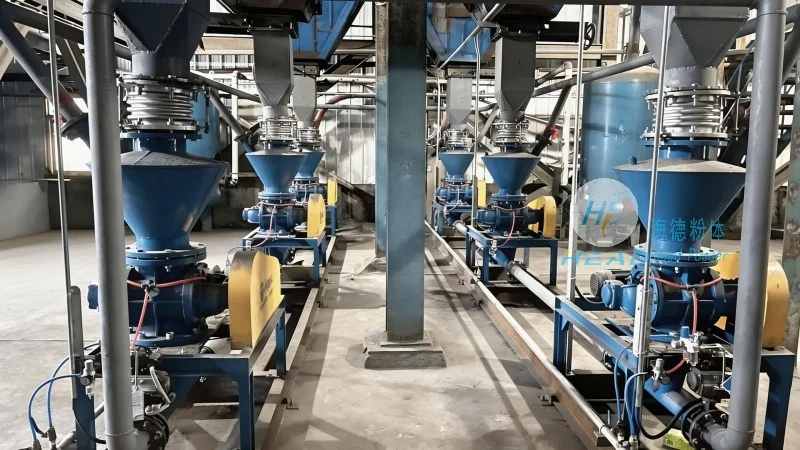
Overview of Wood Ash Pneumatic Conveying Equipment
The wood ash pneumatic conveying system is engineered to handle the unique characteristics of wood ash, which includes its fine particle size, potential moisture content, and abrasive nature. Unlike traditional bulk material handling methods, pneumatic conveying uses air as the medium to transport the material, offering advantages such as reduced equipment wear, lower maintenance costs, and the ability to handle materials in a closed system, preventing dust pollution.
Key Components and Structure of the Equipment
The core components of a wood ash pneumatic conveying system typically include a hopper for material storage, a feeder to control the flow rate, a conveying pipeline, a blower or compressor to generate the air flow, and a receiver or collection unit. Each component plays a critical role in the overall operation:
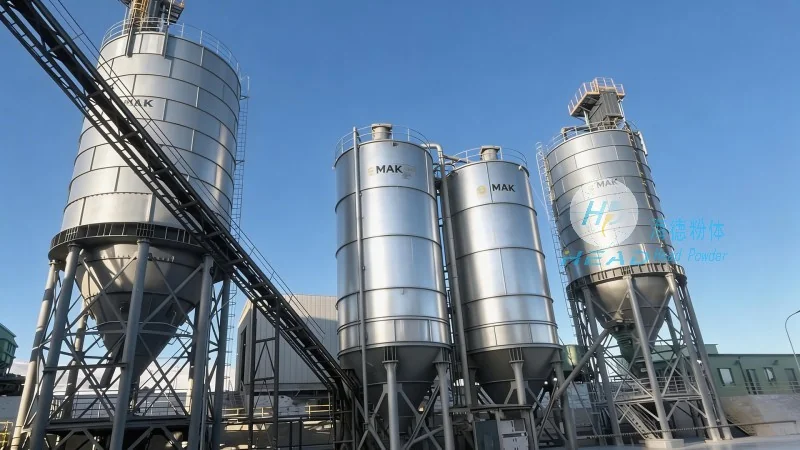
- Hopper: A large container that holds the wood ash, ensuring a consistent feed to the feeder. It may include a level indicator to monitor the material volume.
- Feeder: This component regulates the amount of wood ash entering the pipeline. Common types include rotary valves, screw feeders, or vibratory feeders, which maintain a steady flow rate to prevent clogging and ensure smooth conveying.
- Conveying Pipeline: Made from materials resistant to abrasion and corrosion, such as stainless steel or special plastic, the pipeline transports the wood ash and air mixture. The design of the pipeline, including bends and elbows, is optimized to minimize pressure drop and maintain efficient flow.
- Blower/Compressor: The heart of the system, this unit generates the necessary air pressure and volume to move the wood ash particles. The choice of blower (positive displacement or centrifugal) depends on the specific application requirements, such as the distance to be covered and the material's properties.
- Receiver: At the end of the pipeline, the receiver collects the wood ash after the air has been separated. It may include a dust collection system or a bag filter to ensure the material is free from air and ready for further processing or disposal.
Operational Principle of the Pneumatic Conveying Process
The operation of the wood ash pneumatic conveying equipment follows a simple yet effective principle: creating a pressure differential between the inlet and outlet of the pipeline. The blower draws air from the receiver and forces it through the feeder and into the hopper, where the wood ash is entrained by the air stream. The mixture of wood ash and air travels through the pipeline to the receiver, where the air is separated from the material, often using a cyclone separator or a bag filter.
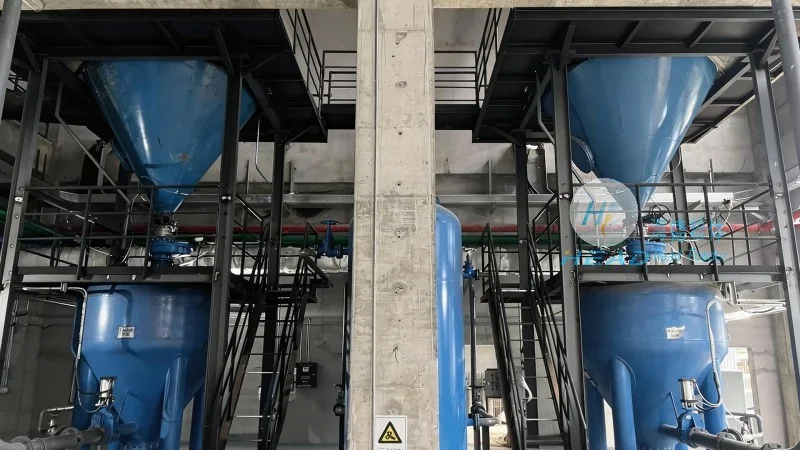
The efficiency of the conveying process depends on several factors, including the air velocity, the particle size and density of the wood ash, and the length and diameter of the pipeline. Proper design and maintenance of the system are crucial to ensure optimal performance and minimize energy consumption.
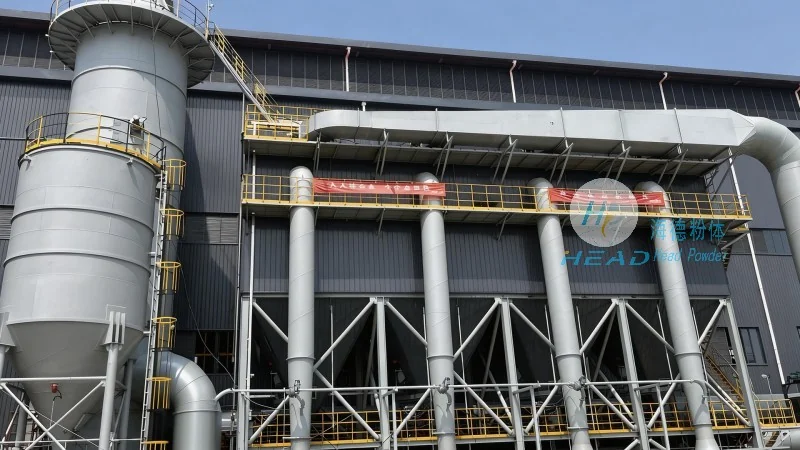
Advantages of Using Wood Ash Pneumatic Conveying Equipment
Implementing a pneumatic conveying system for wood ash offers several benefits over traditional methods:
- Efficiency and Reliability: The closed system ensures consistent and reliable transport, reducing material loss and spillage.
- Reduced Labor and Maintenance: Automated feeding and conveying reduce the need for manual handling, lowering labor costs and minimizing equipment wear.
- Environmental Protection: By containing the material within the system, it prevents dust emissions and protects the environment from contamination.
- Flexibility in Layout: The system can be easily adapted to different plant layouts, allowing for horizontal, vertical, or inclined transport paths.
Application Scenarios
Wood ash pneumatic conveying equipment is widely used in various industries, including power generation, biomass energy, and waste management. For example, in power plants that burn biomass, the system is used to transport wood ash from the boiler to the storage silo or for further processing. In biomass energy facilities, it helps in moving ash from the combustion chamber to the disposal or recycling area.