

Clay Pellet Sand Pneumatic Conveying Technology: Principles, Applications, and Development Trends
Clay pellet sand pneumatic conveying technology represents a sophisticated method for transporting bulk materials, particularly clay pellets and sand, through a pipeline system using air as the conveying medium. This technology is integral to various industrial processes, offering efficient and flexible material handling solutions. The following sections delve into the fundamental principles, practical applications, and emerging trends in this field, with a focus on the expertise and capabilities of Shandong HeadPowder Engineering Co., Ltd., a leading provider in the industry.
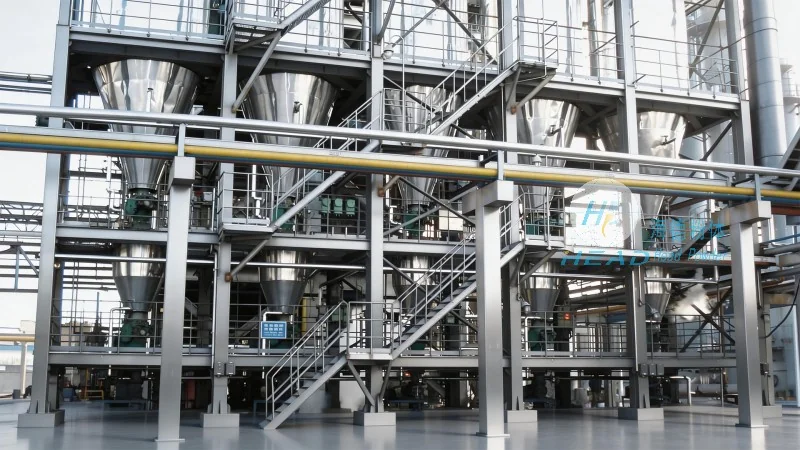
Company Overview: Shandong HeadPowder Engineering Co., Ltd.
HeadPowder, headquartered in Shandong, China, is a specialized engineering company dedicated to the design, manufacturing, and implementation of advanced material handling systems. With a strong commitment to innovation and customer satisfaction, the company has established itself as a trusted partner for industries requiring reliable pneumatic conveying solutions. The company's team of experienced engineers and technicians leverages cutting-edge technology to develop customized systems that meet the unique operational needs of clients, ensuring optimal performance and efficiency in material transport.
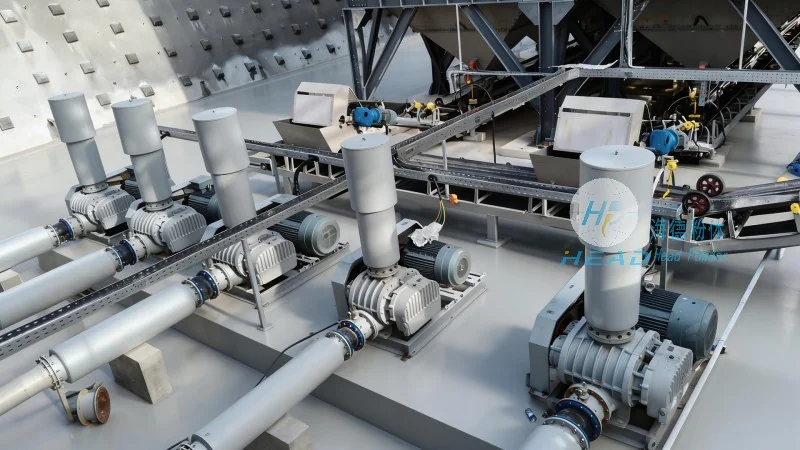
Principles of Clay Pellet Sand Pneumatic Conveying
The core principle of pneumatic conveying involves the use of compressed air to move solid particles through a pipeline. In the case of clay pellet sand, the system typically operates under positive pressure, where air is forced through the material to create a fluidized or suspended state. This allows the particles to be transported from the source to the destination without the need for mechanical components like conveyors or buckets. The technology relies on factors such as air velocity, particle size, and density to achieve effective transport. Proper design of the conveying system, including the selection of appropriate pipe diameters, air pressure, and flow rates, is crucial to prevent issues like blockages or excessive energy consumption. The system may include components such as feeders, cyclones, filters, and receivers, each playing a vital role in the overall conveying process.
Applications in Industrial Settings
Clay pellet sand pneumatic conveying technology finds extensive applications across multiple industries. In the construction sector, it is commonly used for transporting sand and clay pellets to building sites, ensuring a steady supply of raw materials for concrete production and other construction activities. The technology is also prevalent in the glass manufacturing industry, where fine sand and clay are conveyed to furnaces for glass melting. Additionally, in the foundry industry, pneumatic conveying is employed to transport sand and clay pellets to molding lines, facilitating the production of metal castings. The versatility of the system allows it to handle a wide range of particle sizes and material types, making it suitable for various industrial processes. The ability to transport materials in a dust-free environment is particularly advantageous in industries where air quality and worker safety are critical concerns.
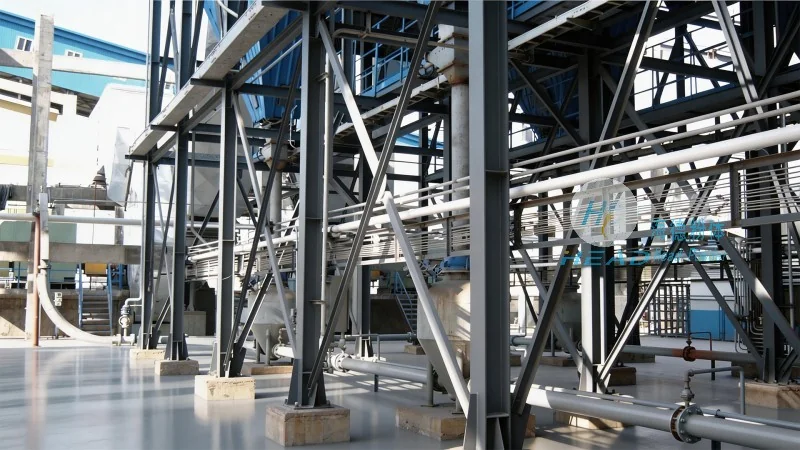
Advancements and Future Trends
The field of clay pellet sand pneumatic conveying is continuously evolving, driven by technological advancements and the need for more efficient material handling solutions. Recent developments include the integration of automation and control systems, which enhance the precision and reliability of conveying operations. Advanced materials and coatings are being used to improve the durability of pipeline components, reducing maintenance costs and extending the lifespan of the system. The adoption of energy-efficient technologies, such as variable frequency drives and optimized air compression systems, is also gaining traction, helping to reduce operational costs and environmental impact. Furthermore, the trend toward modular and flexible conveying systems allows for easier installation and adaptation to changing production requirements. As industries continue to seek more sustainable and efficient solutions, the future of pneumatic conveying technology is likely to involve further innovations in system design, material handling, and energy management. These advancements will not only improve the performance of clay pellet sand transport but also contribute to the overall efficiency and sustainability of industrial operations.