

Activated Carbon Pneumatic Conveying Technology: Principles, Applications, and Development Trends
Activated carbon pneumatic conveying technology represents a specialized approach to material handling, particularly for the transport of activated carbon in industrial settings. This method integrates the principles of pneumatic conveying with the unique characteristics of activated carbon, providing an efficient and reliable solution for moving fine powders and granules. The technology is widely adopted across various sectors due to its ability to minimize dust generation, maintain material integrity, and ensure consistent transport performance.
Core Principles of Activated Carbon Pneumatic Conveying
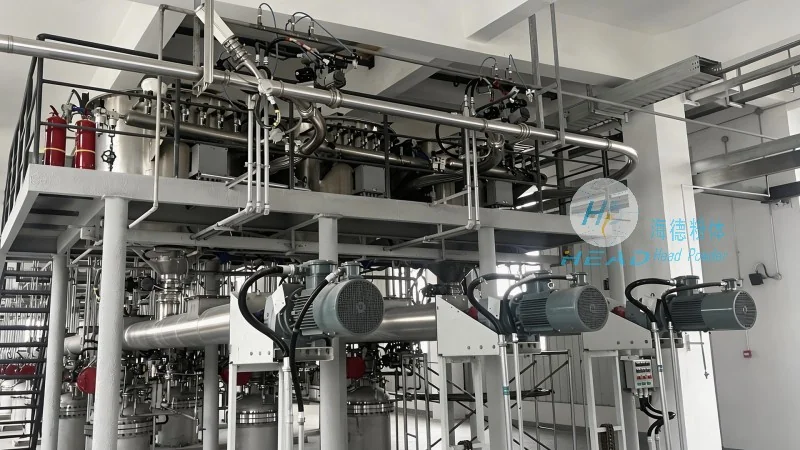
The fundamental principle of activated carbon pneumatic conveying involves utilizing a pressurized air stream to suspend and transport activated carbon particles through a pipeline system. This process can be executed using either positive pressure or negative pressure (suction) systems, depending on the specific operational requirements. In positive pressure systems, air is actively blown into the conveying line, propelling the activated carbon forward. Conversely, negative pressure systems create a vacuum that draws the material into the pipeline. The design of the conveying system, including the selection of air nozzles, pipeline diameter, and pressure differentials, is critical to achieving stable and efficient transport. The technology leverages the aerodynamic properties of activated carbon, which is distinguished by its high surface area and porous structure, to ensure effective particle suspension and movement. Advanced engineering considerations, such as the use of pulse or rotary airlocks, further enhance the system's performance by controlling material flow and preventing blockages.
Industrial Applications and Use Cases
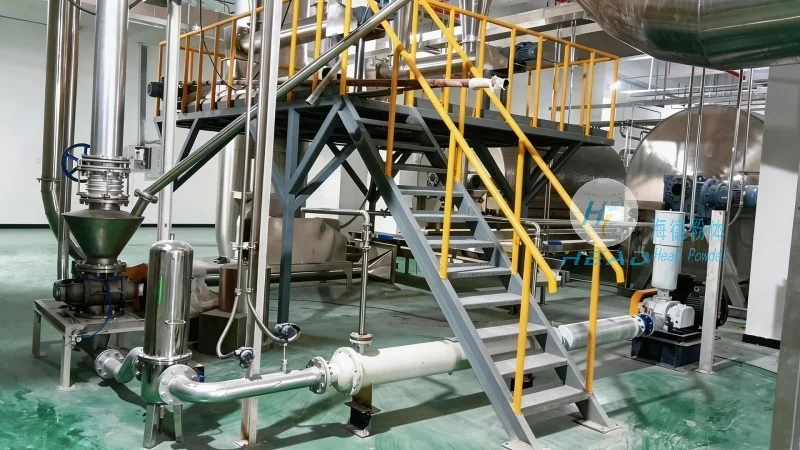
Activated carbon pneumatic conveying finds extensive application across multiple industries, owing to its adaptability and effectiveness in handling activated carbon. In the environmental sector, it plays a vital role in wastewater treatment and air purification systems, where activated carbon is employed for adsorption of contaminants. The technology enables seamless transfer of activated carbon from storage silos to treatment units, ensuring a consistent and high-quality material supply. In the chemical industry, it is utilized in the production of activated carbon-based products, facilitating the movement of raw materials and finished goods between processing stages. Additionally, in the pharmaceutical and food processing industries, the method is preferred for its ability to maintain product purity and prevent contamination during transport. The technology's capability to handle fine powders without clogging or degradation makes it ideal for applications where material integrity is paramount, such as in the production of activated carbon filters or adsorbents.
Technological Advancements and Future Trends
The field of activated carbon pneumatic conveying is continuously evolving, driven by advancements in material science, process engineering, and control technologies. Modern systems increasingly incorporate advanced control mechanisms, such as variable frequency drives and real-time monitoring, to optimize conveying efficiency and reduce energy consumption. The development of more durable and corrosion-resistant materials for pipeline components has extended the operational life of conveying systems, reducing maintenance costs. Furthermore, research is focused on improving the sustainability of the technology by exploring alternative energy sources and minimizing waste generation during the conveying process. The integration of automation and artificial intelligence is also expected to enhance the precision and reliability of activated carbon transport, leading to more efficient industrial operations. As industries strive for higher performance and sustainability, the future of activated carbon pneumatic conveying technology looks promising, with ongoing innovations aimed at meeting the evolving demands of industrial applications.
About Shandong HeadPowder Engineering Co., Ltd.
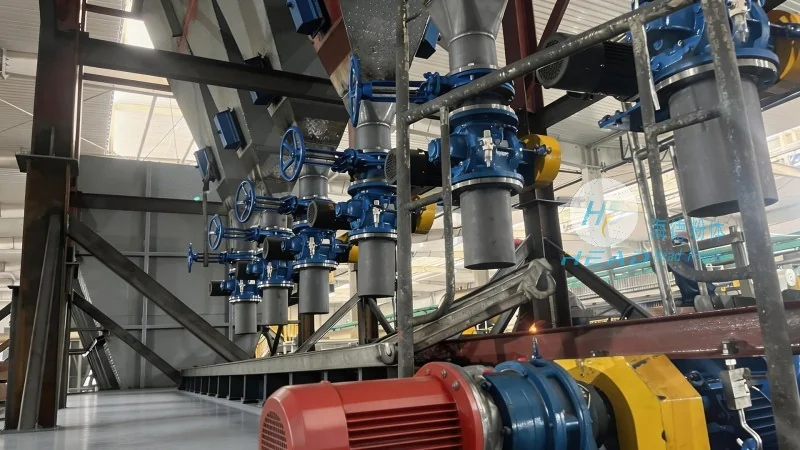
Shandong HeadPowder Engineering Co., Ltd. is a leading provider of specialized engineering solutions for material handling and processing. With a focus on activated carbon and other fine powders, the company offers comprehensive services including system design, manufacturing, and installation of pneumatic conveying systems. HeadPowder is committed to delivering high-quality, reliable solutions tailored to the unique needs of its clients. The company's headquarters is located in Shandong, China, where it leverages local expertise and resources to support its global clientele. By combining technical expertise with customer-centric approaches, HeadPowder aims to be a trusted partner in the advancement of industrial material handling technologies. The company adheres to stringent quality standards and adheres to industry best practices, ensuring that its products and services meet the highest levels of performance and reliability.