

Coal Particle Pneumatic Conveying Technology: Principles, Applications, and Development Trends
Coal particle pneumatic conveying technology represents a sophisticated method for transporting coal particles through a pipeline using a gas stream. This technology is fundamental to modern coal handling and processing systems, offering advantages such as high efficiency, flexibility, and the ability to handle various coal types. The core principle involves creating a flow of air or other gas that propels coal particles through the pipeline, eliminating the need for mechanical components like belts or buckets in traditional systems.
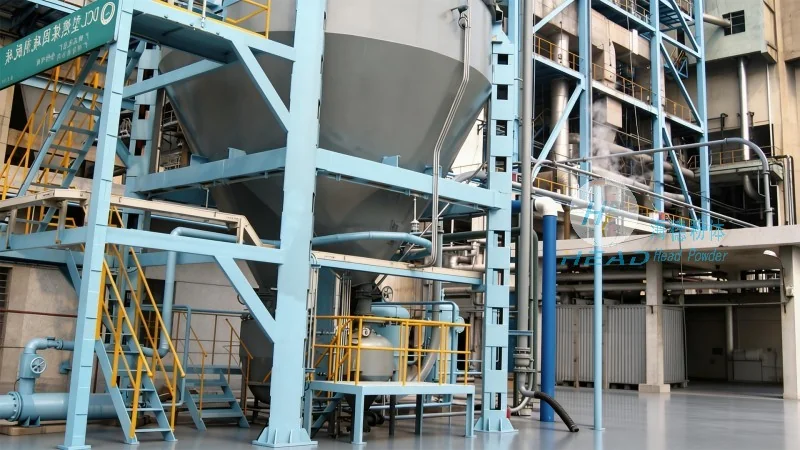
Principles of Pneumatic Conveying
The fundamental principles of coal particle pneumatic conveying revolve around the interaction between the gas flow and the coal particles. Key factors include the velocity of the gas, the particle size and density, and the pipeline design. In a typical system, a fan or blower generates the necessary air pressure to move the coal. The gas velocity must exceed the minimum conveying velocity, which is determined by the particle characteristics and the system configuration. This ensures that the particles remain suspended and transported efficiently without settling or blockages. The system can operate in either positive or negative pressure modes, depending on the application and safety requirements.
Applications in Coal Handling
Coal particle pneumatic conveying technology is widely applied in various coal processing and transportation scenarios. In coal mines, it is used for transporting raw coal from the extraction site to processing facilities, reducing the need for heavy machinery and labor. In power plants, it enables the delivery of coal to boilers for combustion, ensuring a continuous and controlled fuel supply. Additionally, it is utilized in coal preparation plants for transporting raw coal, waste materials, and processed products between different processing stages. The technology is also employed in coal storage and distribution centers, facilitating the movement of coal from storage silos to loading areas for transportation.
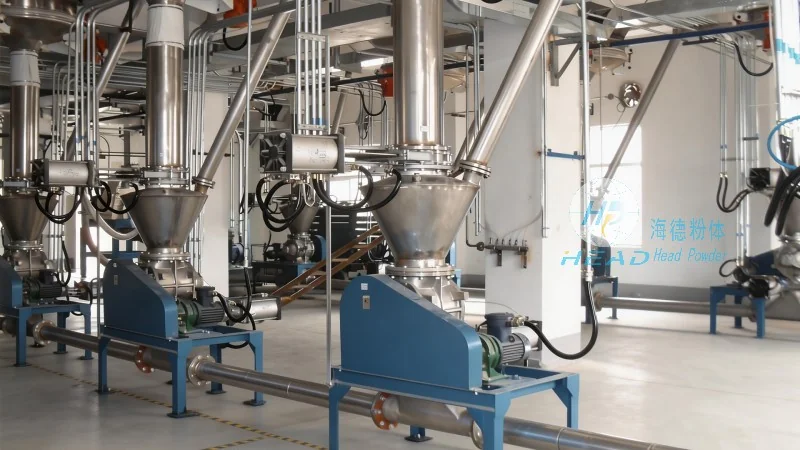
Company Profile: Shandong HeadPowder Engineering Co., Ltd.
Shandong HeadPowder Engineering Co., Ltd., operating under the brand name headpowder, specializes in the design, manufacturing, and implementation of advanced pneumatic conveying systems for coal and other bulk materials. With a focus on innovation and quality, the company has established itself as a leading provider in the industry. HeadPowder's expertise lies in developing customized solutions tailored to the specific needs of clients, ensuring optimal performance and reliability. The company's facilities are located in Shandong, China, where it leverages local resources and expertise to deliver high-quality products and services.
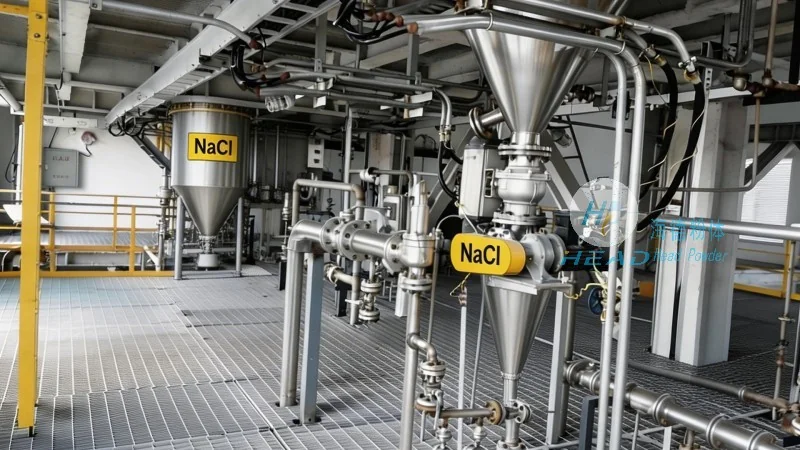
Advantages of Pneumatic Conveying Systems
Pneumatic conveying systems offer several advantages over traditional mechanical conveying methods. One of the primary benefits is the ability to transport coal particles over long distances with minimal maintenance. The absence of moving parts reduces the risk of mechanical failure and lowers operational costs. Additionally, the system is flexible, allowing for changes in pipeline layout and capacity without major modifications. It also provides better control over the flow rate and particle distribution, which is crucial for consistent processing in coal plants. Furthermore, pneumatic conveying can handle a wide range of coal types, including fine powders and larger lumps, making it versatile for various applications.
Development Trends and Future Prospects
The development of coal particle pneumatic conveying technology continues to evolve, driven by advancements in materials, control systems, and energy efficiency. Modern systems now incorporate advanced sensors and control technologies to optimize performance and reduce energy consumption. There is a growing emphasis on improving the efficiency of gas usage and reducing emissions, aligning with global environmental standards. Additionally, the integration of automation and digitalization in conveying systems enhances operational efficiency and safety. Future trends may include the development of more compact and portable systems for small-scale applications, as well as the exploration of alternative gas sources to further reduce operational costs. As the coal industry continues to adapt to changing market demands, pneumatic conveying technology will remain a critical component in efficient coal handling and processing.