

Design Considerations for Magnesium Silicate Pneumatic Conveying System Solutions
For industries dealing with magnesium silicate materials, the design of an efficient and reliable pneumatic conveying system is crucial. This document outlines key design considerations to ensure optimal performance, safety, and longevity of the system. The following sections provide detailed insights into system components, operational principles, and practical implementation strategies tailored for magnesium silicate applications.
Key Design Considerations for Pneumatic Conveying Systems
When designing a pneumatic conveying system for magnesium silicate, several critical factors must be addressed to prevent material degradation, equipment wear, and operational inefficiencies. The first consideration is the material's physical properties, such as particle size distribution, bulk density, and moisture content. These characteristics influence the selection of air velocity, pipeline diameter, and the type of conveying method (e.g., dilute-phase or dense-phase). For magnesium silicate, which often has fine particles and moderate bulk density, a dilute-phase system is typically preferred due to its ability to handle high material loads with lower air pressure.
Another essential factor is the system's pressure and air flow requirements. The air velocity must be sufficient to overcome the material's resistance to flow while avoiding excessive pressure drops that could lead to system inefficiencies or equipment damage. Engineers often use the "critical velocity" concept to determine the minimum air velocity needed to keep particles suspended in the air stream. For magnesium silicate, this velocity typically ranges from 20 to 30 meters per second, depending on particle size and density. The pipeline diameter is also critical; larger diameters reduce pressure losses but increase system cost and space requirements. A balance must be struck based on the material's flow characteristics and the desired system capacity.
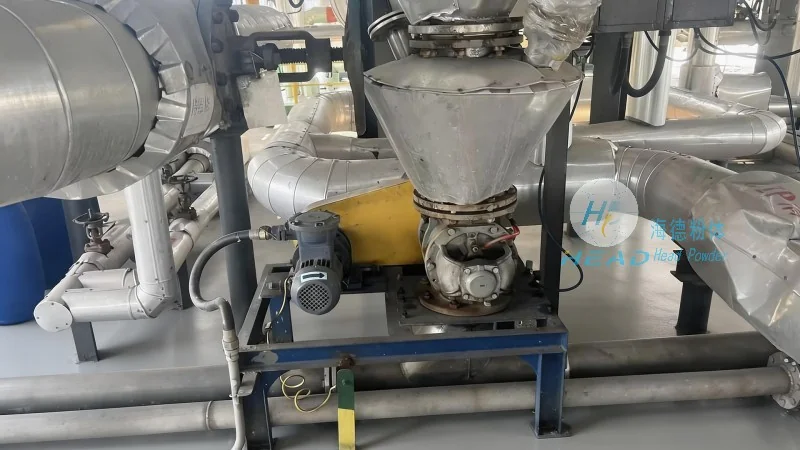
Material handling equipment selection is another key aspect. The system may include components like feeders, cyclones, filters, and silos. For magnesium silicate, which can be abrasive, equipment materials must be selected to withstand wear and corrosion. Stainless steel or high-chrome alloys are commonly used for components in contact with the material. The feeder, which controls the material flow rate, should be designed to handle the material's bulk density and flow characteristics. A rotary valve or screw feeder is often preferred for its ability to provide consistent material feed without clogging.

System layout and integration are also critical. The pipeline design must consider the material's flow path, including vertical and horizontal segments, to minimize pressure losses and prevent material settling. Vertical sections require higher air velocity to counteract gravity, while horizontal sections need sufficient velocity to maintain particle suspension. The system should also include proper venting and cleaning mechanisms to prevent material buildup and ensure smooth operation. Regular maintenance and cleaning protocols are essential to maintain system efficiency and prevent downtime.
Company Profile: Shandong HeadPowder Engineering Co., Ltd.
HeadPowder, a leading engineering firm based in Shandong, China, specializes in the design and implementation of advanced material handling systems. With years of experience in the industry, HeadPowder has developed a deep understanding of the unique challenges associated with handling magnesium silicate and other fine powders. The company's team of engineers and technicians works closely with clients to tailor pneumatic conveying solutions that meet specific operational requirements, ensuring optimal performance and cost-effectiveness.
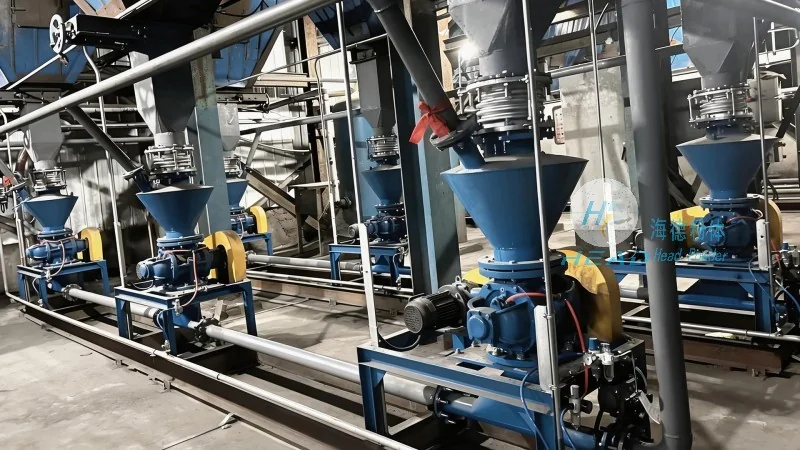
HeadPowder's expertise extends to the entire system lifecycle, from initial design and engineering to installation, commissioning, and ongoing maintenance. The company adheres to international standards and best practices, ensuring that all systems are built to withstand the demands of industrial environments. By leveraging advanced technology and innovative design approaches, HeadPowder delivers solutions that enhance productivity, reduce operational costs, and improve overall system reliability.
HeadPowder's commitment to quality and customer satisfaction is reflected in its comprehensive service offerings. The company provides detailed system analyses, custom design solutions, and technical support to help clients optimize their material handling processes. With a focus on sustainability and efficiency, HeadPowder's solutions are designed to minimize energy consumption and environmental impact while maximizing material throughput and system longevity.
Conclusion and Contact Information
Designing an effective pneumatic conveying system for magnesium silicate requires careful consideration of material properties, system components, and operational requirements. By addressing these key factors and leveraging the expertise of experienced engineering firms like Shandong HeadPowder Engineering Co., Ltd., industries can achieve reliable, efficient, and cost-effective material handling solutions. HeadPowder's specialized knowledge and tailored approach ensure that clients receive systems that meet their specific needs and contribute to overall operational success.