

Key Design Considerations for Sodium Sulfate Pneumatic Conveying Systems
For industrial applications involving the handling of sodium sulfate, the selection and design of an efficient pneumatic conveying system are critical to operational success. This document outlines key design considerations for sodium sulfate pneumatic conveying systems, emphasizing the technical and practical aspects that ensure reliable and cost-effective material transport. The information is presented by Shandong HeadPowder Engineering Co., Ltd., a company specializing in engineering solutions for bulk material handling, with headquarters located in Shandong, China.
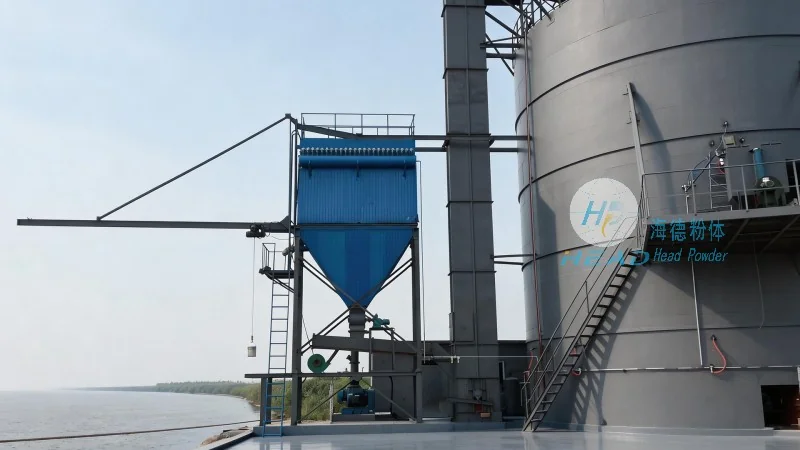
Understanding the Material Properties of Sodium Sulfate
Before designing a pneumatic conveying system for sodium sulfate, it is essential to understand the physical and chemical properties of the material. Sodium sulfate, also known as Glauber's salt or mirabilite, is a white crystalline solid with a density typically ranging from 2.68 to 2.70 g/cm³. The material's particle size distribution, moisture content, and flowability are crucial factors that influence the choice of conveying method and system components. For example, fine particles may require higher air velocities to prevent clogging, while cohesive or hygroscopic materials might need specialized equipment to maintain consistent flow. HeadPowder engineers conduct thorough material analysis to tailor system designs that match the specific characteristics of the sodium sulfate being handled.
System Type Selection: Dilute Phase vs. Dense Phase
The primary decision in pneumatic conveying system design is choosing between dilute phase and dense phase systems. Dilute phase systems use low air-to-material ratios, typically operating at air velocities above the material's terminal velocity, ensuring the material remains suspended in the air stream. This method is suitable for transporting sodium sulfate over moderate distances (up to several hundred meters) and is often preferred for its simplicity and lower energy consumption. Dense phase systems, on the other hand, operate at higher material concentrations, using lower air velocities to form a slurry-like flow. This approach is ideal for longer distances or when handling materials that are prone to degradation under high air velocities. HeadPowder recommends evaluating the application's distance, material properties, and operational constraints to select the most appropriate system type for sodium sulfate transport.
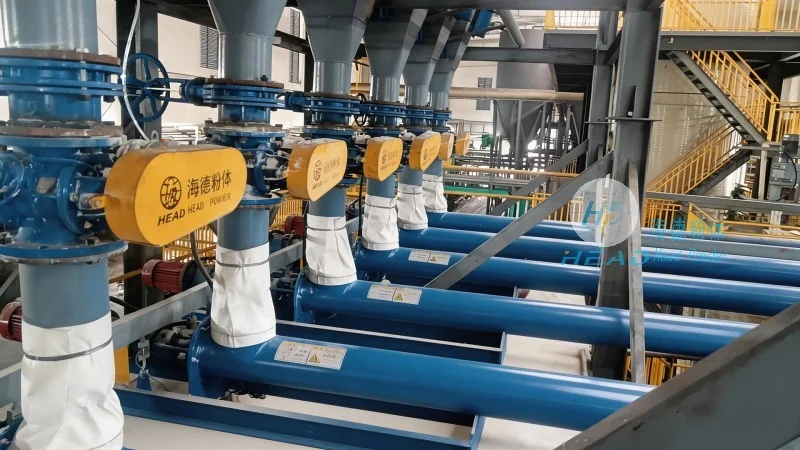
Key Components and Their Design Considerations
A pneumatic conveying system for sodium sulfate consists of several critical components, each requiring careful design to ensure system performance and longevity. The main components include the feed hopper, air compressor, conveying line, and discharge hopper. The feed hopper must be designed to prevent material bridging or caking, which can disrupt the flow. For sodium sulfate, which may have a tendency to stick to surfaces due to its hygroscopic nature, the hopper may incorporate features such as vibrators or agitators to maintain material flow. The air compressor is a critical component, as its capacity and pressure must match the system's requirements. HeadPowder typically recommends using positive displacement blowers or centrifugal compressors, depending on the system's air flow and pressure needs. The conveying line, often made of stainless steel or other corrosion-resistant materials, must be sized to handle the air velocity and material concentration without causing excessive pressure drop or material degradation. The discharge hopper is designed to safely release the sodium sulfate, preventing dust emissions and ensuring material is collected efficiently.
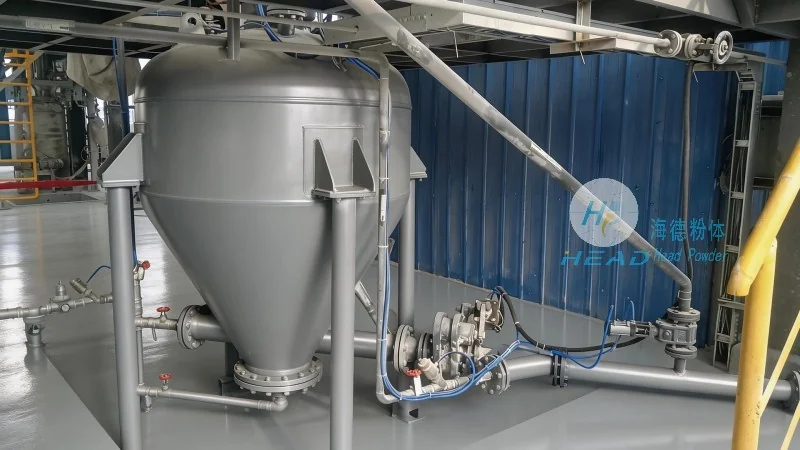
Material Handling and Dust Control Measures
Effective dust control is a significant consideration in sodium sulfate pneumatic conveying systems, as the material is fine and can generate dust during handling. HeadPowder implements several measures to minimize dust emissions and ensure compliance with environmental regulations. These include using sealed feed and discharge hoppers, installing dust collection systems such as cyclones or bag filters, and incorporating airlocks to prevent material leakage. The system design also considers the potential for material moisture absorption, as sodium sulfate can attract moisture from the air, leading to caking or blockages. To mitigate this, the system may include drying components or moisture control measures, such as desiccant air treatment, to maintain optimal material conditions. Additionally, the use of appropriate sealing and gasket materials in system components is essential to prevent air leaks and maintain system efficiency.
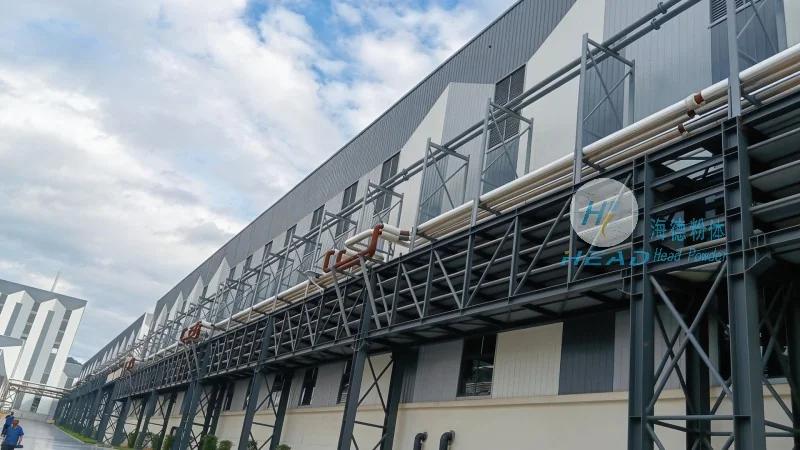
System Integration and Scalability
When designing a sodium sulfate pneumatic conveying system, it is important to consider its integration with existing industrial processes and future scalability. HeadPowder engineers evaluate the system's compatibility with other equipment, such as storage silos, mixers, or processing units, to ensure seamless operation. The system design may include provisions for expansion, allowing for increased material handling capacity as production needs grow. For example, the conveying line may be sized to accommodate future upgrades, such as adding additional conveying lines or increasing the air compressor capacity. This forward-thinking approach ensures that the sodium sulfate pneumatic conveying system remains efficient and cost-effective over the long term.
Maintenance and Operational Considerations
Regular maintenance is crucial to the reliability and longevity of a sodium sulfate pneumatic conveying system. HeadPowder provides guidance on routine maintenance tasks, including cleaning of the feed hopper, inspection of the conveying line for wear or corrosion, and checking the air compressor for proper operation. The system's design incorporates easy access points for maintenance, reducing downtime and ensuring quick repairs. Operational considerations also include monitoring air pressure and flow rates to detect any deviations that may indicate system issues. By following recommended maintenance procedures and operational guidelines, users can maximize the system's performance and extend its service life. HeadPowder offers maintenance services and technical support to assist clients in maintaining their sodium sulfate pneumatic conveying systems effectively.