

Key Design Considerations for Lithium Fluoride Pneumatic Conveying System Solutions
When designing a pneumatic conveying system for lithium fluoride, several critical factors must be considered to ensure efficiency, safety, and long-term reliability. The process involves selecting appropriate equipment, optimizing material flow, and implementing robust safety measures. This article outlines key design considerations for such systems, emphasizing the expertise of Shandong HeadPowder Engineering Co., Ltd., a leading provider in the field.
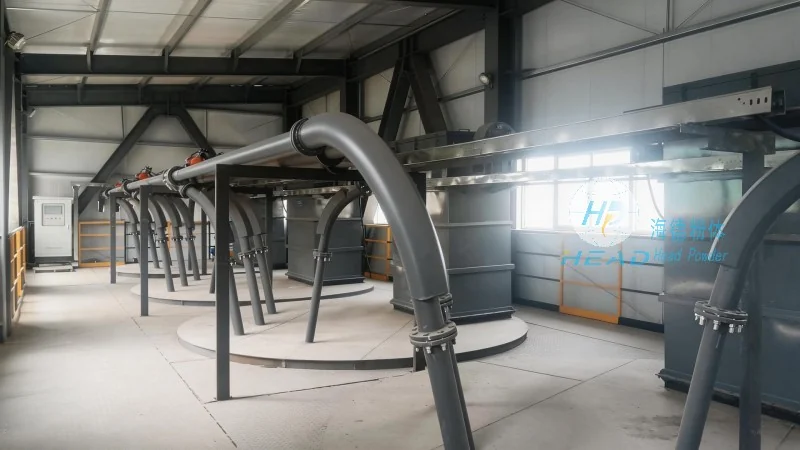
System Selection and Material Characteristics
The first step in designing a lithium fluoride pneumatic conveying system is to evaluate the material's physical and chemical properties. Lithium fluoride is a fine powder with specific handling characteristics, including its density, particle size distribution, and reactivity. These factors influence the choice of conveying system type—such as dilute phase or dense phase—and the selection of appropriate components like air compressors, cyclones, and material feeders. Shandong HeadPowder Engineering Co., Ltd. conducts thorough material analysis to tailor system designs that maximize efficiency and minimize operational risks.
Equipment Sizing and Capacity Planning
Accurate equipment sizing is essential for a stable and efficient lithium fluoride conveying operation. This includes determining the required air flow rate, pressure, and power consumption based on the material's flow characteristics and the system's overall capacity. The company's engineers use advanced computational fluid dynamics (CFD) and empirical data to calculate optimal equipment dimensions, ensuring that the system can handle varying production loads without compromising performance. Proper capacity planning also involves considering future expansion needs, allowing for scalability in the design.
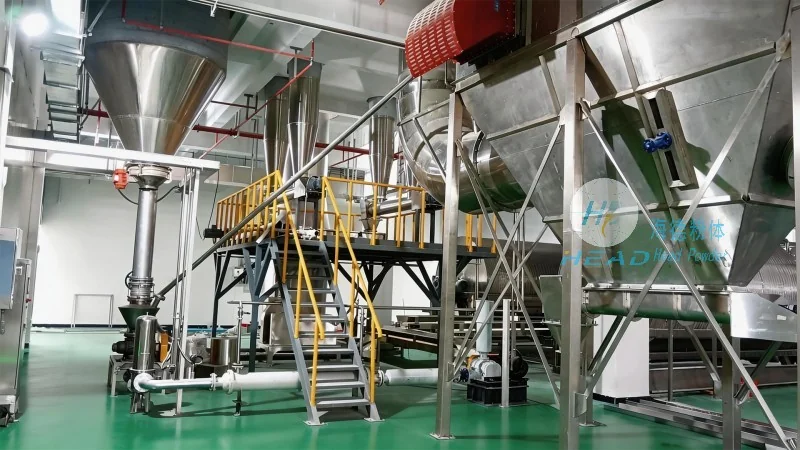
Material Handling and Safety Measures
Ensuring the safe handling of lithium fluoride is paramount in pneumatic conveying systems. This involves implementing measures to prevent dust explosions, material blockages, and equipment wear. Shandong HeadPowder Engineering Co., Ltd. incorporates explosion-proof designs, dust collection systems, and regular maintenance protocols into their system designs. Additionally, the company adheres to international safety standards, such as those from the American Society of Mechanical Engineers (ASME) and the National Fire Protection Association (NFPA), to guarantee compliance and operational safety.
Integration with Existing Facilities
For many industrial applications, integrating a new lithium fluoride pneumatic conveying system with existing infrastructure is necessary. This requires careful coordination to ensure compatibility with current air handling systems, electrical setups, and material storage areas. The engineering team at Shandong HeadPowder Engineering Co., Ltd. provides comprehensive site assessments and custom solutions that align with the client's operational requirements. By considering factors like space constraints, environmental impact, and regulatory compliance, the company delivers systems that seamlessly integrate into existing facilities.
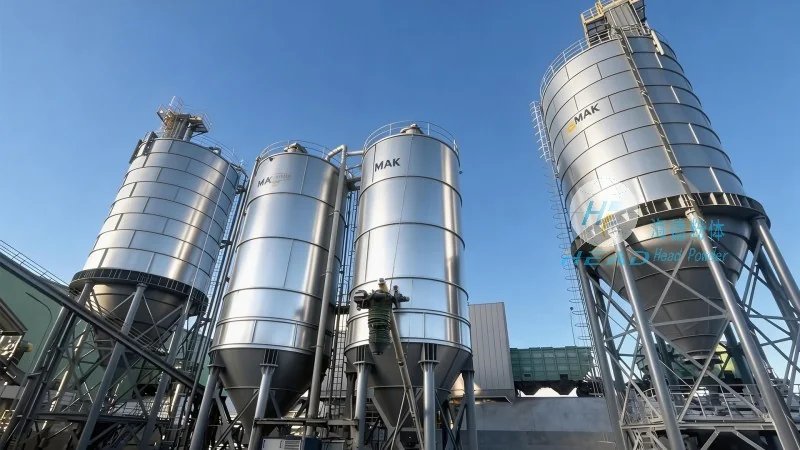
Maintenance and Long-Term Reliability
Long-term system performance depends on regular maintenance and proactive monitoring. Shandong HeadPowder Engineering Co., Ltd. offers comprehensive maintenance plans and training programs to help clients optimize system uptime and extend equipment life. The company's expertise in lithium fluoride handling ensures that maintenance procedures are tailored to the material's unique properties, reducing the risk of equipment failure and downtime. By prioritizing preventive maintenance and using high-quality components, the systems designed by the company maintain consistent performance over extended periods.
Customization and Project Management
Every lithium fluoride pneumatic conveying project is unique, and Shandong HeadPowder Engineering Co., Ltd. recognizes the importance of customization. The company's project management approach involves collaborative planning with clients, from initial design to final installation and commissioning. This ensures that the system meets specific operational goals, such as minimizing material loss, reducing energy consumption, and enhancing overall productivity. The company's commitment to quality and client satisfaction is reflected in its detailed project documentation, regular progress updates, and post-installation support.