

What is a Dry Pebble Pneumatic Conveying Equipment? An Introduction to the Structure and Principle o
For industrial applications involving the transport of dry pebbles and other bulk powders, understanding the technology behind pneumatic conveying systems is crucial. This article provides an in-depth look at the dry pebble pneumatic conveying equipment, detailing its structural components and operational principles. The information is presented by Shandong HeadPowder Engineering Co., Ltd., a leading manufacturer based in China, with a focus on practical applications and technical insights.
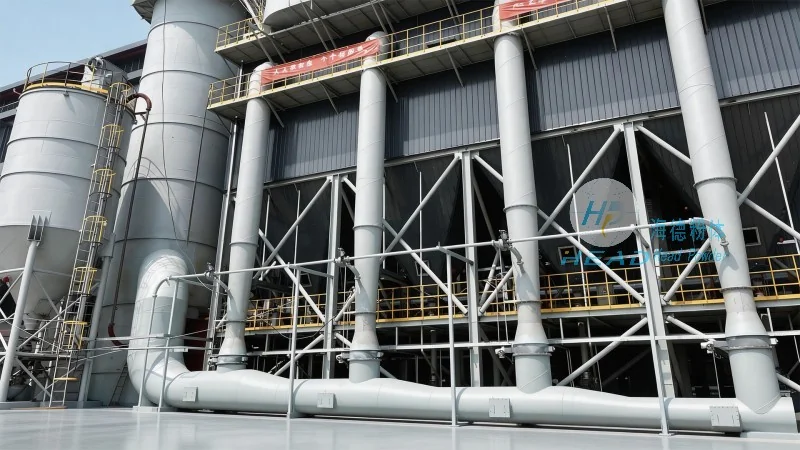
Understanding the Core Components of Dry Pebble Pneumatic Conveying Systems
A dry pebble pneumatic conveying system typically consists of several key components that work in tandem to transport materials efficiently. The primary elements include a hopper for material storage, a feeder to control the flow rate, a conveying line (often with a pipeline), a compressor to generate the necessary air pressure, and a receiver or discharge unit for the material. Each component plays a vital role in ensuring smooth and reliable operation.
The hopper is designed to hold the dry pebbles and maintain a consistent material level, preventing blockages and ensuring a steady feed to the feeder. The feeder, which can be a rotary valve or a screw feeder, regulates the amount of material entering the conveying line, controlling the flow rate to match the system's capacity. The conveying line, usually made of metal or plastic, is where the material is propelled by the compressed air. The compressor generates the high-pressure air that creates the airflow necessary to move the pebbles through the pipeline. Finally, the receiver or discharge unit collects the material at the end of the conveying line, allowing it to be discharged into a storage bin or processing equipment.
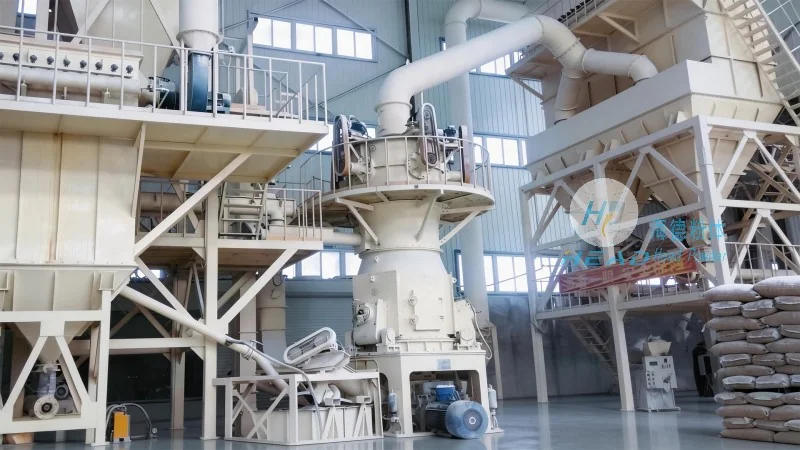
Exploring the Operational Principle of Pneumatic Conveying
The fundamental principle behind pneumatic conveying is the use of air to transport solid particles. In a dry pebble system, compressed air is introduced into the conveying line, creating a flow that lifts and propels the pebbles. This process can be categorized into two main types: dilute phase and dense phase conveying. Dilute phase conveying uses high velocities of air to move the material, while dense phase conveying uses lower velocities and higher air pressure to move the material in a more controlled manner, reducing the risk of material degradation or blockages.
In the context of dry pebbles, the system often operates in a dilute phase mode, where the air velocity is sufficient to keep the particles suspended and move them through the pipeline. The pressure drop along the conveying line is carefully managed to ensure that the material reaches the receiver without excessive wear or degradation. The design of the system, including the size of the pipeline and the air velocity, is critical to achieving optimal performance and minimizing energy consumption.
Applications and Benefits of Dry Pebble Pneumatic Conveying Equipment
Dry pebble pneumatic conveying equipment is widely used in various industries, including mining, construction, and manufacturing. Its primary benefits include the ability to transport materials over long distances without the need for mechanical components like belts or chains, which reduces maintenance costs and increases operational reliability. The system is also capable of handling materials that are difficult to transport using traditional methods, such as abrasive or corrosive pebbles, due to the enclosed pipeline design that protects both the material and the equipment.
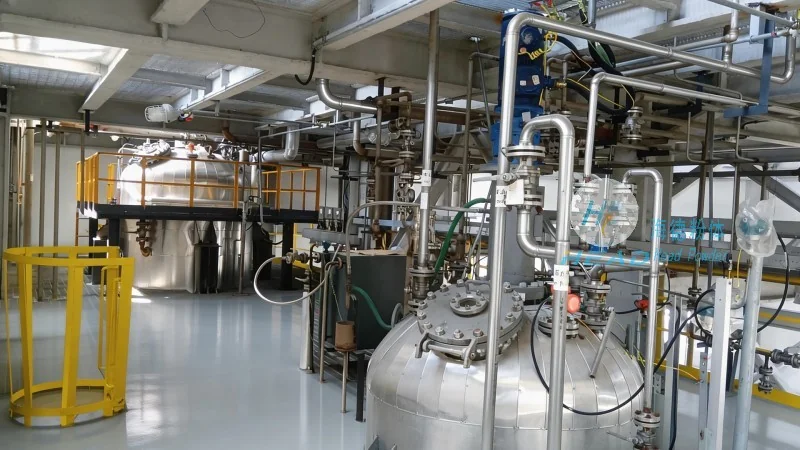
Another advantage is the flexibility of the system, which can be easily integrated into existing production lines or expanded to accommodate increased material volumes. The use of compressed air also allows for precise control over the material flow rate, enabling better process control and reducing waste. Additionally, the system is relatively compact and can be installed in confined spaces, making it suitable for applications where space is limited.
Conclusion and Company Information
Shandong HeadPowder Engineering Co., Ltd. specializes in the design, manufacturing, and installation of high-quality pneumatic conveying systems, including dry pebble pneumatic conveying equipment. With years of experience and a commitment to innovation, the company provides tailored solutions that meet the specific needs of its clients. Based in China, the company leverages advanced technology and rigorous quality control to ensure that its products are reliable, efficient, and cost-effective. For businesses seeking to improve their material handling processes, the dry pebble pneumatic conveying equipment from Shandong HeadPowder Engineering Co., Ltd. offers a robust and versatile solution.