

Concrete Pneumatic Conveying Equipment: Structure and Principle of Powder Material Handling Systems
HeadPowder, a leading manufacturer based in Shandong, China, specializes in the design and production of advanced concrete pneumatic conveying equipment. This article provides an in-depth overview of the structure and operational principles of these systems, which are essential for efficient powder material handling in various industrial applications.
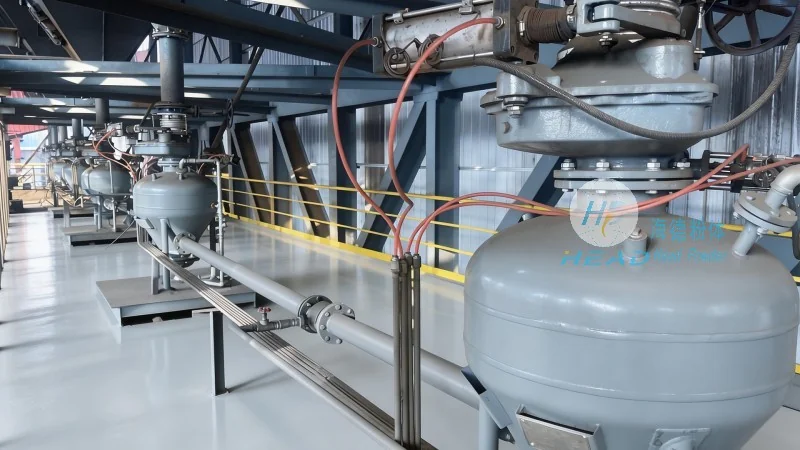
Introduction to Concrete Pneumatic Conveying Equipment
Concrete pneumatic conveying equipment, also known as powder material handling systems, is a technology that utilizes air pressure to transport bulk powder materials, such as cement, fly ash, and other fine powders, from one location to another. These systems are widely used in the construction industry, particularly in concrete production, where the efficient and reliable transfer of raw materials is critical for maintaining production efficiency and product quality.
Key Components and Structure of the Equipment
The concrete pneumatic conveying system consists of several core components that work in concert to achieve effective material transport. The primary components include the material feeding unit, the conveying pipeline, the air source system, and the control system. Each component plays a vital role in the overall operation of the equipment.
1. Material Feeding Unit: This component is responsible for introducing the bulk powder material into the conveying system. It typically includes a hopper or a feeder that can handle various types of powders, ensuring a consistent and controlled feed rate. The feeding unit is designed to minimize material degradation and prevent blockages, which are common issues in powder handling.
2. Conveying Pipeline: The pipeline is the main channel through which the powder and air mixture travels. It is usually made of stainless steel or other corrosion-resistant materials to withstand the abrasive nature of the powders and the high-pressure air. The pipeline is equipped with bends, elbows, and other fittings that allow the system to navigate complex layouts while maintaining efficient flow.
3. Air Source System: This system provides the necessary air pressure and volume to move the powder particles through the pipeline. It typically includes a blower or a compressor, along with air filters and regulators to ensure clean and stable air supply. The air source is designed to generate sufficient pressure to overcome the resistance in the pipeline and lift the powder particles into the air stream.
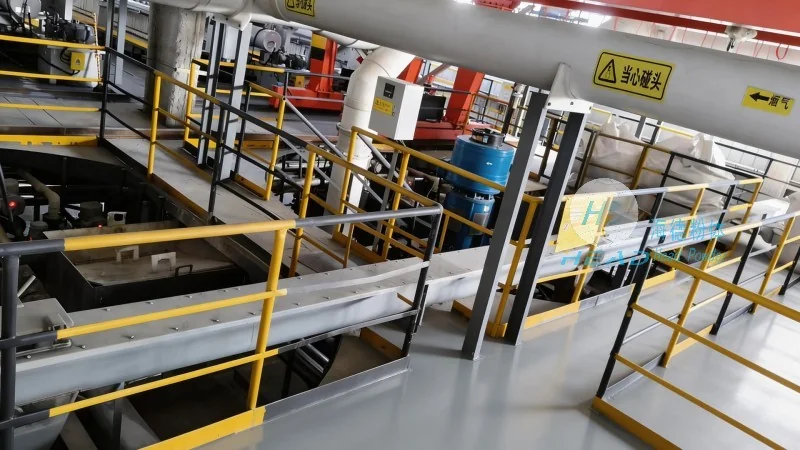
4. Control System: The control system monitors and regulates the operation of the entire conveying process. It includes sensors, valves, and a control panel that allows operators to adjust the feed rate, air pressure, and other parameters in real-time. This system ensures safe and efficient operation, preventing overloading or underloading of the pipeline and protecting the equipment from damage.
Operational Principle of the Pneumatic Conveying System
The working principle of a concrete pneumatic conveying system is based on the concept of fluidization and suspension of powder particles in an air stream. When the air is introduced into the material feeding unit, it creates a low-pressure zone that draws the powder particles into the pipeline. The air then carries the powder particles through the pipeline, maintaining them in a suspended state. As the mixture travels through the pipeline, the air pressure gradually decreases, causing the powder to settle out at the discharge point.
The system operates in either positive or negative pressure modes. In positive pressure mode, the air is forced into the pipeline, creating a high-pressure environment that pushes the powder forward. In negative pressure mode, the air is drawn out of the pipeline, creating a low-pressure environment that pulls the powder into the system. The choice of mode depends on the specific application and the characteristics of the powder being conveyed.
Advantages of Concrete Pneumatic Conveying Equipment
Concrete pneumatic conveying equipment offers several advantages over traditional material handling methods, such as belt conveyors or bucket elevators. These advantages include:
1. High Efficiency and Speed: The system can transport large quantities of powder material over long distances with minimal time and labor. The air stream allows for rapid movement of the powder, reducing production downtime.
2. Space Efficiency: Pneumatic conveying systems require less floor space compared to other bulk material handling solutions. The pipeline can be installed in vertical or horizontal configurations, making them suitable for compact industrial environments.
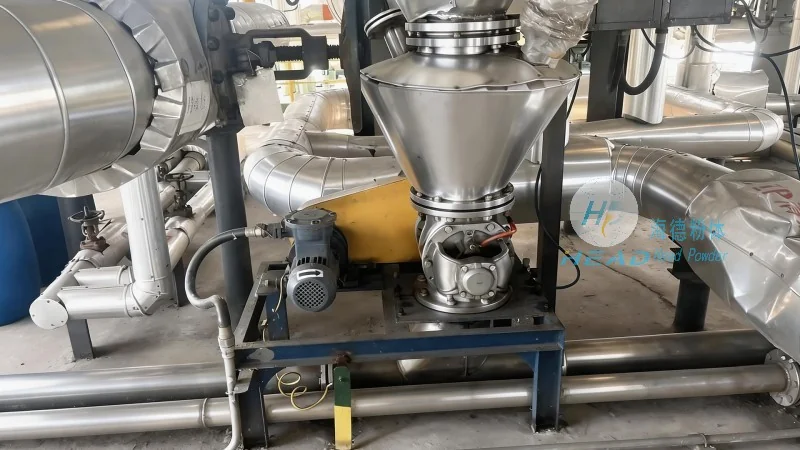
3. Environmental Benefits: The enclosed pipeline design prevents dust emissions and contamination, making the system more environmentally friendly. It also reduces the risk of material spillage and loss.
4. Flexibility and Versatility: The system can be easily adapted to different production requirements by adjusting the feed rate, air pressure, or pipeline layout. It can handle a wide range of powder materials, including those with varying particle sizes and moisture content.
Applications in the Concrete Industry
Concrete pneumatic conveying equipment is widely used in the concrete production process, where it plays a crucial role in transporting raw materials such as cement, fly ash, and sand. The system can be integrated into existing concrete batching plants, allowing for seamless and efficient material transfer. By using this technology, concrete manufacturers can improve their production efficiency, reduce labor costs, and enhance product quality.
In addition to concrete production, the equipment is also used in other industries, such as pharmaceuticals, food processing, and chemical manufacturing, where the handling of fine powders is required. The versatility of the system makes it a valuable asset for any industrial application that involves bulk powder material handling.
Conclusion
Concrete pneumatic conveying equipment is a sophisticated and efficient solution for the transportation of powder materials. With its advanced structure and operational principles, the system offers numerous benefits to industrial users, including high efficiency, space savings, and environmental friendliness. As a leading manufacturer based in Shandong, China, HeadPowder continues to innovate and develop new technologies to meet the evolving needs of the industry, providing reliable and high-quality concrete pneumatic conveying systems to its customers worldwide.