

What is a Coffee Bean Pneumatic Conveying Equipment? Introduction to the Structure and Principle of
For coffee processing facilities, efficient and reliable material handling is crucial to maintaining product quality and operational efficiency. Among the various technologies available, coffee bean pneumatic conveying equipment stands out as a sophisticated solution for transporting coffee beans and other fine powders. This article provides an in-depth look at the structure and operational principles of such equipment, highlighting its key components and how they contribute to seamless material transport.
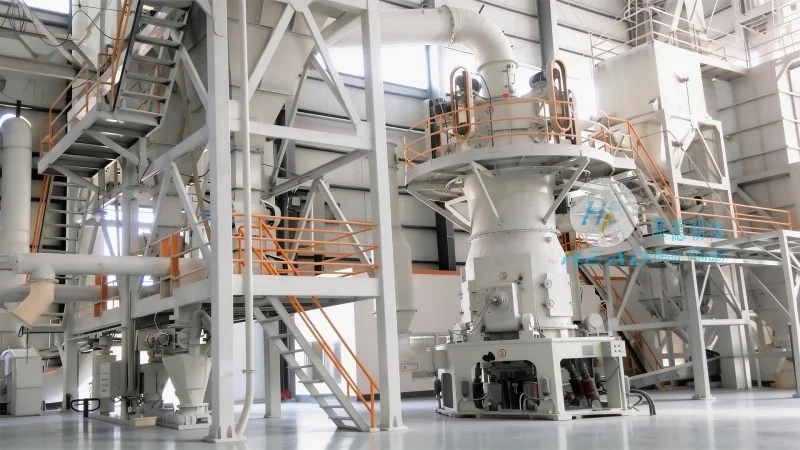
Understanding Coffee Bean Pneumatic Conveying Equipment
Coffee bean pneumatic conveying equipment is a type of powder handling system that uses air pressure to move coffee beans or other granular materials from one location to another. Unlike traditional mechanical conveyors, which rely on mechanical components like belts or screws, pneumatic systems utilize a stream of air to transport materials through a pipeline network. This method offers several advantages, including reduced contamination risk, lower maintenance requirements, and the ability to handle sensitive materials like coffee beans without causing damage.
Key Components and Structure of the Equipment
The core structure of a coffee bean pneumatic conveying system typically includes several essential components. These components work in tandem to ensure the efficient and safe transport of coffee beans. The main parts are the hopper, the air compressor, the conveying line, the control valve, and the discharge outlet.
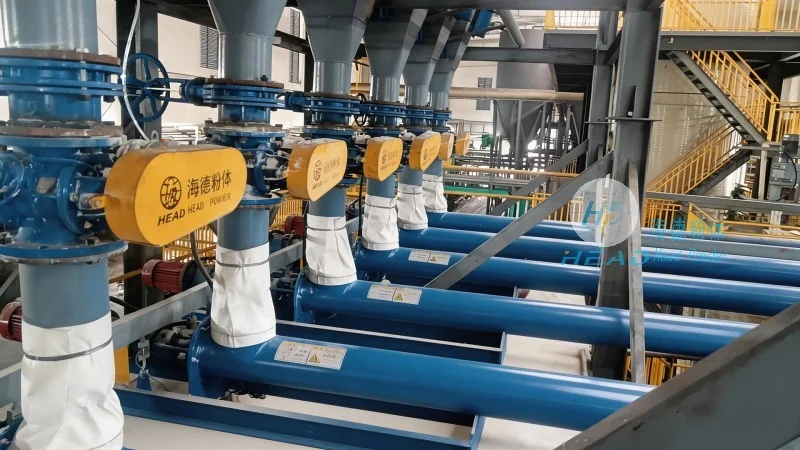
First, the hopper serves as the storage and feeding unit. It holds the coffee beans and feeds them into the conveying line at a controlled rate. The design of the hopper is crucial to prevent material bridging or clogging, which can disrupt the flow. Next, the air compressor generates the necessary air pressure to create the conveying stream. The pressure level is adjustable and can be optimized based on the material characteristics and the distance to be covered. The conveying line, usually made of stainless steel or other corrosion-resistant materials, forms the pipeline through which the coffee beans are transported. It is equipped with bends, elbows, and other fittings to navigate the path from the hopper to the discharge point. The control valve regulates the flow of air and material, allowing for precise control over the conveying process. Finally, the discharge outlet is where the coffee beans are released at the destination point, completing the transport cycle.
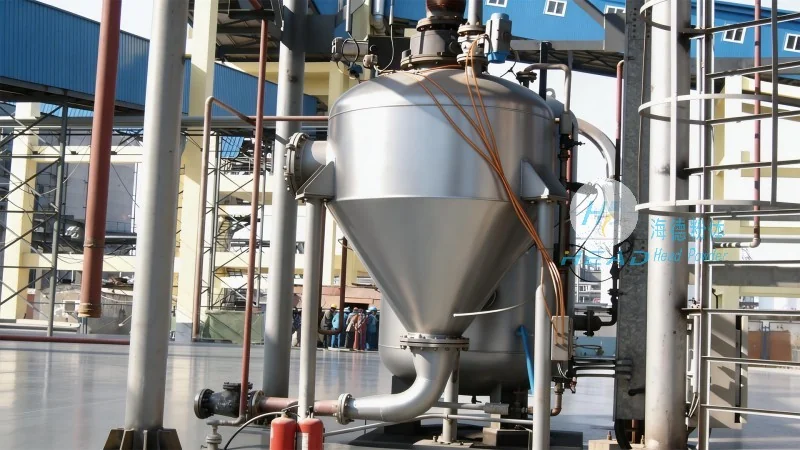
Operational Principle and Working Mechanism
The operational principle of coffee bean pneumatic conveying equipment is based on the creation of a high-velocity air stream within the conveying line. When the air compressor operates, it forces air through the line at a pressure higher than the ambient air pressure. As the coffee beans are introduced into the line, they are entrained by the air stream and carried along the pipeline. The air velocity is maintained at a level sufficient to keep the beans suspended and prevent them from settling or clogging the line. The system can operate in either positive pressure or negative pressure modes, depending on the application requirements. Positive pressure systems push the material through the line using compressed air, while negative pressure systems create a vacuum to draw the material into the line.
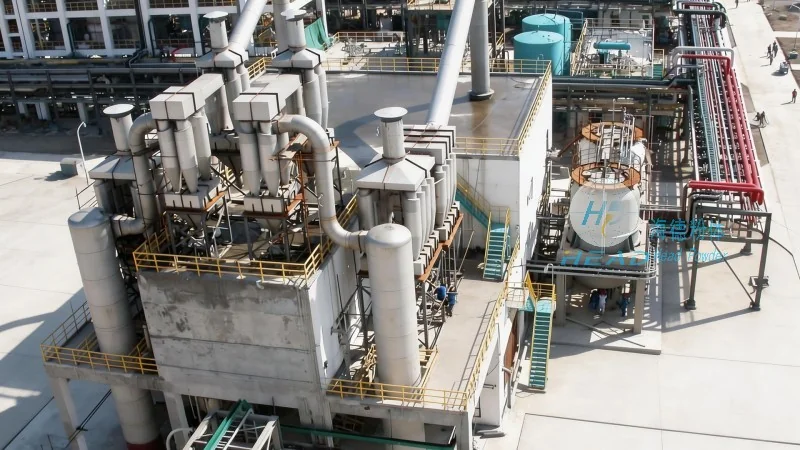
Advantages and Applications in Coffee Processing
Implementing coffee bean pneumatic conveying equipment in coffee processing facilities offers numerous benefits. The primary advantage is the ability to handle delicate coffee beans without causing breakage or damage, which is critical for maintaining the quality and flavor profile of the final product. Additionally, the system provides a hygienic and enclosed environment, reducing the risk of contamination from external sources. This is particularly important in food processing industries where product safety is paramount. The equipment also offers flexibility in terms of layout, as the conveying lines can be installed in various configurations to accommodate different facility layouts and production requirements. Coffee bean pneumatic conveying is widely used in coffee roasting, grinding, and packaging operations, where efficient material transport is essential to meet production demands.
About Shandong HeadPowder Engineering Co., Ltd.
As a leading manufacturer in the field of powder handling equipment, Shandong HeadPowder Engineering Co., Ltd. specializes in providing high-quality coffee bean pneumatic conveying solutions. With years of experience and a commitment to innovation, the company has developed advanced systems tailored to the specific needs of the coffee industry. HeadPowder's equipment is designed with precision engineering and uses durable materials to ensure long-term reliability and performance. The company's team of experts provides comprehensive support, from system design and installation to maintenance and after-sales service. HeadPowder is dedicated to delivering solutions that enhance operational efficiency and product quality for coffee processing facilities worldwide. The company is located in Shandong, China, and serves clients globally with its expertise and commitment to excellence.