

Key Design Considerations for Alumina Pneumatic Conveying System Solutions
When designing a pneumatic conveying system for alumina, several critical factors must be considered to ensure efficiency, reliability, and long-term performance. The process involves selecting appropriate equipment, understanding material properties, and implementing effective control strategies. This article outlines key design considerations for alumina pneumatic conveying systems, emphasizing practical solutions and engineering best practices.
Understanding Material Characteristics and Flow Behavior
Alumina, a widely used industrial material, exhibits unique properties that influence system design. Its particle size distribution, density, and moisture content are crucial in determining the most suitable conveying method. For example, fine alumina powders may require high-pressure or dense-phase conveying to prevent particle degradation and system blockages. Conversely, larger particles might benefit from low-pressure or dilute-phase systems. Engineers must conduct thorough material testing to characterize these properties, ensuring the chosen system matches the material's flow behavior and handling requirements.
System Configuration and Equipment Selection
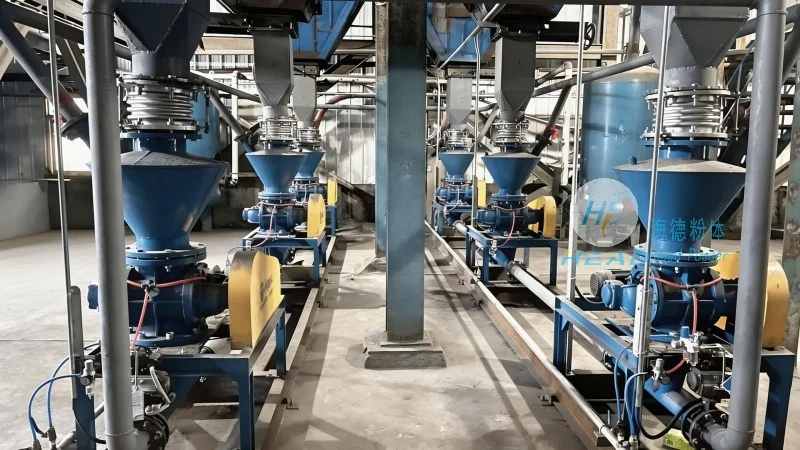
The configuration of a pneumatic conveying system for alumina typically involves several key components, including a feeder, a conveying line, a receiver, and control devices. The selection of each component is critical to system performance. For instance, a rotary valve or a screw feeder may be used to feed alumina into the system, ensuring a consistent flow rate. The conveying line, often made of stainless steel or other corrosion-resistant materials, must be designed to handle the material's abrasive nature and potential moisture content. The receiver, where the alumina is deposited, should be equipped with proper dust collection and venting systems to maintain environmental compliance and operational safety.
Pressure and Flow Rate Optimization
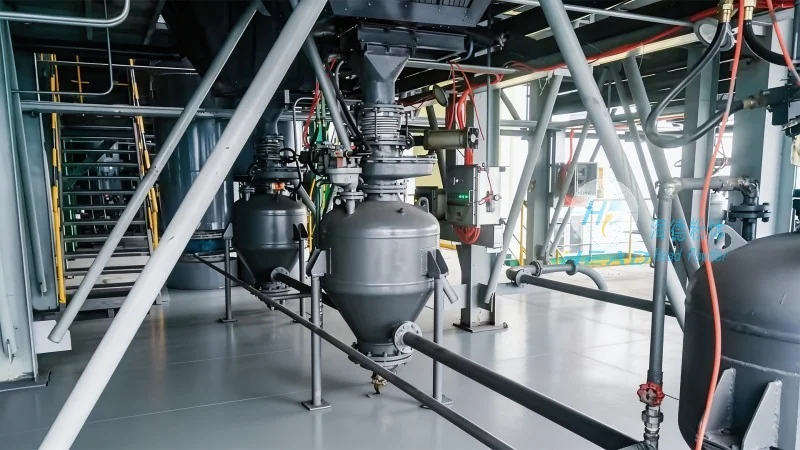
Optimizing pressure and flow rate is essential for efficient alumina transport. The system's pressure levels, whether high or low, directly impact the conveying distance and material velocity. Engineers must calculate the required pressure based on the material's properties, the system's length, and the desired flow rate. For dense-phase conveying, maintaining a consistent pressure and flow rate is vital to prevent particle segregation and system inefficiencies. Advanced control systems, such as pressure sensors and flow meters, help monitor and adjust these parameters in real-time, ensuring the system operates within optimal conditions.
Material Handling and Safety Considerations
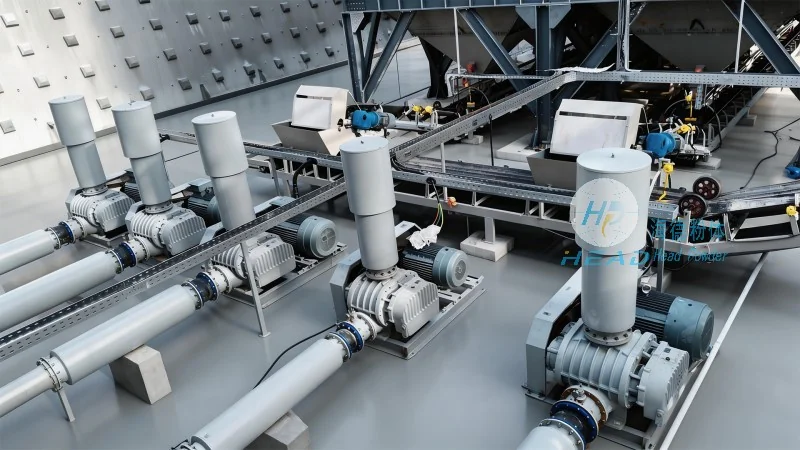
Ensuring safe and efficient material handling is a top priority in alumina pneumatic conveying systems. This includes implementing proper dust suppression measures, as alumina powders can be hazardous if inhaled. The system should be equipped with dust collection systems, such as baghouses or cartridge filters, to capture airborne particles and maintain air quality. Additionally, safety features like pressure relief valves and emergency shutdown systems are essential to prevent accidents and protect personnel. Regular maintenance and inspections are also critical to ensure the system operates safely and reliably over time.
Integration with Existing Facilities and Process Control
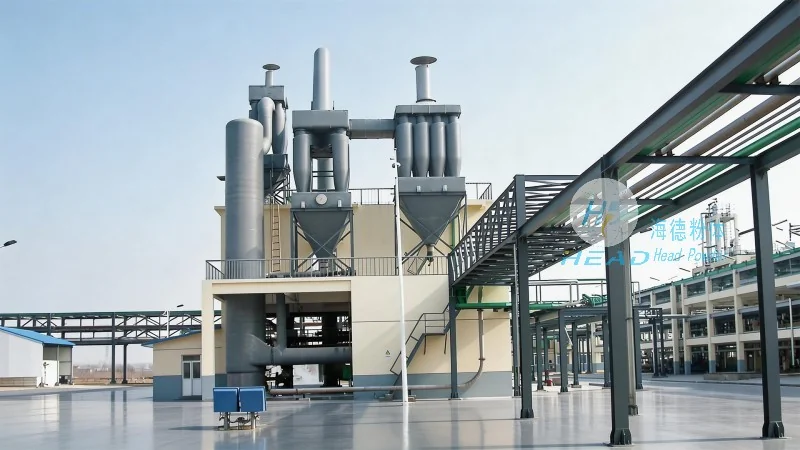
Integrating a new alumina pneumatic conveying system with existing industrial facilities requires careful planning. Engineers must consider the system's compatibility with current infrastructure, including piping, electrical, and control systems. Process control systems, such as PLCs (Programmable Logic Controllers), are often used to manage the conveying operation, ensuring smooth coordination with other processes. The design should also account for future expansion or modifications, allowing for scalability and adaptability as production needs change.
Case Study: Successful Implementation by Shandong HeadPowder Engineering Co., Ltd.
Shandong HeadPowder Engineering Co., Ltd., a leading provider of pneumatic conveying solutions, has successfully implemented alumina conveying systems for various clients. By leveraging their expertise in material handling and system design, they have delivered customized solutions that meet specific operational requirements. For example, one project involved a high-capacity alumina conveying system for a aluminum smelting plant, where the system was designed to handle large volumes of fine alumina while maintaining low energy consumption and high efficiency. The successful implementation of this system highlights the importance of considering all design factors, from material properties to system integration, to achieve optimal performance.