

Design Considerations for Fine Sand and Gravel Pneumatic Conveying System Solutions
For industries dealing with fine sand and gravel materials, the selection and design of an efficient pneumatic conveying system are critical to operational success. A well-engineered system not only ensures smooth material transport but also minimizes downtime and maintenance costs. This article outlines key design considerations for fine sand and gravel pneumatic conveying systems, presented by Shandong HeadPowder Engineering Co., Ltd., a leading provider in the field.
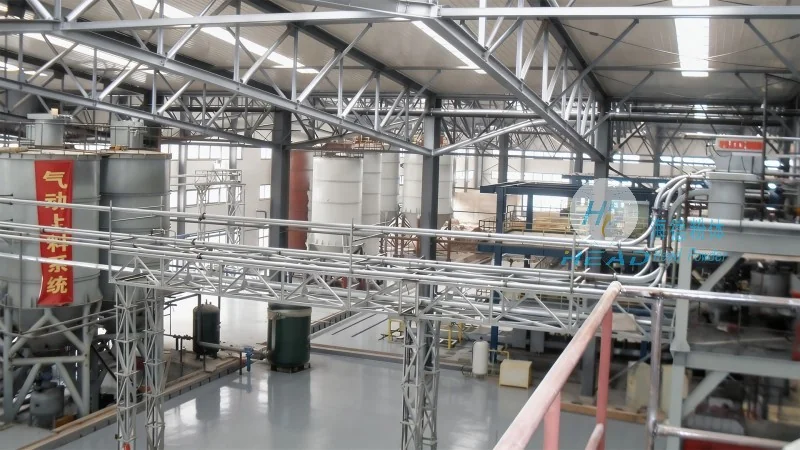
Understanding the Material Characteristics
The first step in designing an effective pneumatic conveying system for fine sand and gravel is to thoroughly understand the properties of the material being handled. Key characteristics include particle size distribution, density, moisture content, and abrasiveness. These factors directly influence the choice of conveying method, such as dilute-phase or dense-phase systems, and the selection of appropriate equipment like blowers, cyclones, and material feeders. For instance, fine sand particles may require a higher air velocity to prevent clogging, while gravel, being coarser, might benefit from a dense-phase system to reduce wear on components.
System Sizing and Capacity Planning
Accurate system sizing is essential to meet production demands while avoiding over-engineering or underperformance. This involves calculating the required air volume and pressure based on the material's flow rate, specific gravity, and the system's layout. Shandong HeadPowder Engineering Co., Ltd. employs advanced computational fluid dynamics (CFD) and empirical formulas to determine optimal system dimensions. The design must account for both the maximum and minimum material flow rates to ensure the system operates efficiently under varying conditions. Proper capacity planning also considers future expansion needs, allowing for scalability without major modifications.
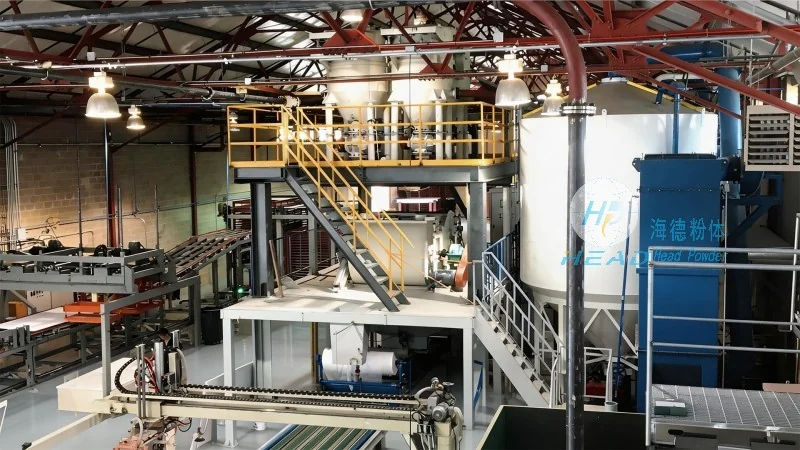
Equipment Selection and Integration
Choosing the right equipment is crucial for the longevity and performance of the pneumatic conveying system. The blower or compressor must be selected based on the required air pressure and volume, with considerations for energy efficiency and noise levels. Cyclones and separators are critical for material separation and recovery, and their design must match the particle size and density of the material. Material feeders, such as rotary valves or screw feeders, must be capable of handling fine sand and gravel without blockages or excessive wear. Shandong HeadPowder Engineering Co., Ltd. recommends integrating components from reputable manufacturers to ensure compatibility and reliability. The system layout should also consider the placement of equipment to minimize pipe length and reduce pressure losses.
Material Handling and Process Integration
The pneumatic conveying system must be seamlessly integrated into the overall production process. This includes coordinating with upstream and downstream equipment, such as crushers, screens, and storage silos. The design should ensure that material flow is continuous and that there are no bottlenecks that could lead to accumulation or spillage. For fine sand and gravel applications, the system may need to handle varying particle sizes, which can affect the conveying efficiency. Therefore, the integration must allow for adjustments in air flow and pressure to maintain optimal performance. Shandong HeadPowder Engineering Co., Ltd. emphasizes the importance of process simulation during the design phase to identify potential issues before implementation.
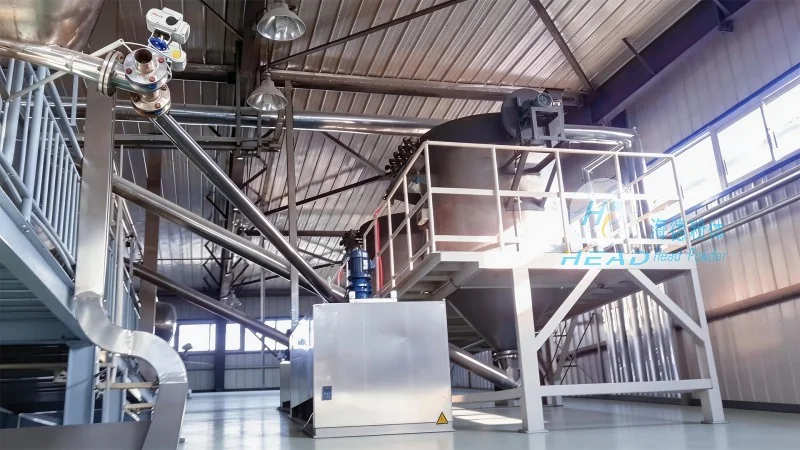
Maintenance and Operational Considerations
Proper maintenance is vital to ensure the long-term reliability of the pneumatic conveying system. Regular inspections of components like blowers, cyclones, and pipe systems are necessary to detect wear or damage early. The system should be designed with easy access to maintenance points, reducing downtime. Additionally, the use of abrasion-resistant materials for high-wear areas, such as cyclone liners and pipe interiors, can extend the system's lifespan. Operational considerations include monitoring air pressure and flow rates to detect anomalies that may indicate clogging or system inefficiencies. Shandong HeadPowder Engineering Co., Ltd. provides comprehensive maintenance services and training to help clients optimize system performance and reduce operational costs.
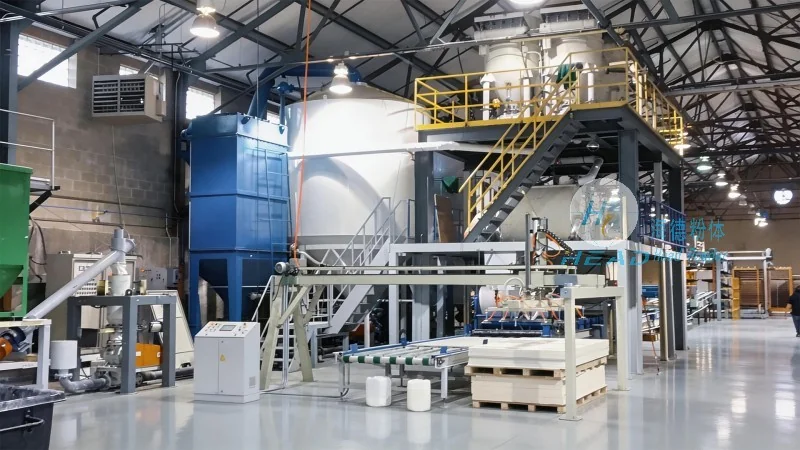
Case Studies and Real-World Applications
Shandong HeadPowder Engineering Co., Ltd. has successfully implemented fine sand and gravel pneumatic conveying systems in various industries, including mining, construction, and manufacturing. For example, a client in the mining sector required a system to transport fine sand from a quarry to a processing plant. The designed system used a dense-phase conveying method to minimize wear on equipment and maintain material quality. Another application involved transporting gravel from a construction site to a storage facility, where the system was integrated with a screening process to remove oversized particles. These case studies demonstrate the effectiveness of proper system design and the importance of considering material characteristics and operational requirements.
Conclusion and Future Trends
In conclusion, designing a fine sand and gravel pneumatic conveying system requires a comprehensive approach that considers material properties, system sizing, equipment selection, and integration with the overall process. Shandong HeadPowder Engineering Co., Ltd. offers expert solutions tailored to the specific needs of each client, ensuring efficient and reliable material transport. As technology advances, future trends may include the integration of automation and IoT sensors to enhance system monitoring and control. However, the fundamental principles of material handling and system design remain consistent, with a focus on optimizing performance and reducing operational costs.