

Design Considerations for Yunying Stone Pneumatic Conveying System Solutions
Yunying stone, a type of high-quality mineral, is widely used in various industrial applications due to its excellent physical and chemical properties. The efficient and reliable transportation of Yunying stone from the source to processing facilities is crucial for optimizing production workflows and ensuring product quality. Pneumatic conveying systems have emerged as a preferred solution for handling such materials, offering advantages like dust-free operation, reduced labor costs, and enhanced safety. This article outlines key design considerations for implementing an effective Yunying stone pneumatic conveying system, with a focus on the expertise and solutions provided by Shandong HeadPowder Engineering Co., Ltd., a leading company in the field.
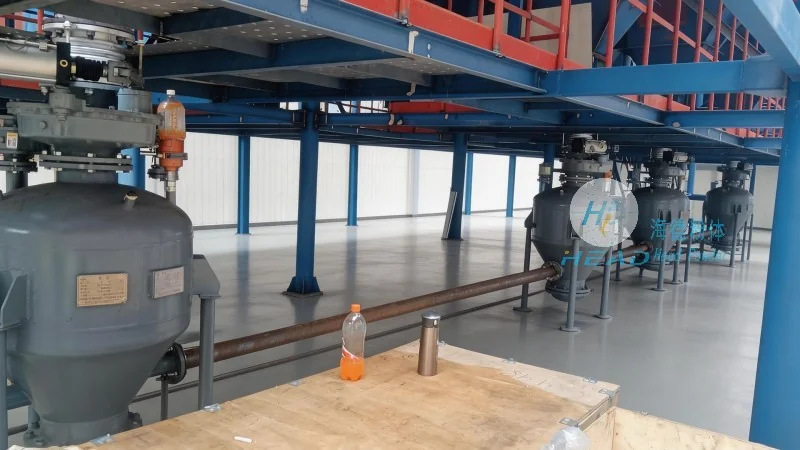
System Design Principles for Yunying Stone Pneumatic Conveying
The design of a pneumatic conveying system for Yunying stone must adhere to several fundamental principles to ensure optimal performance and longevity. First, the system must be tailored to the specific characteristics of the material, including its particle size distribution, density, and moisture content. Yunying stone typically consists of fine to medium-sized particles, which require careful consideration of air velocity and pressure to prevent blockages or excessive wear on components. The selection of appropriate air duct materials, such as stainless steel or corrosion-resistant alloys, is critical to withstand the abrasive nature of the stone and maintain system integrity over time.
Second, the system layout must be designed to minimize pressure losses and energy consumption. This involves optimizing the length and diameter of the conveying lines, as well as incorporating appropriate bends, elbows, and expansion joints. For Yunying stone, which may have varying particle sizes, the use of a positive pressure system is often recommended, as it provides better control over material flow and reduces the risk of clogging. The system should also include adequate filtration and separation mechanisms to prevent dust accumulation and protect downstream equipment from contamination.
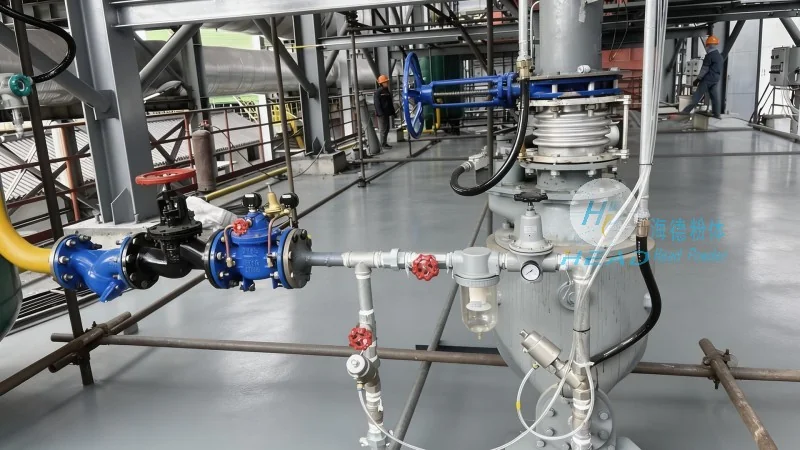
Key Components and Their Role in Yunying Stone Pneumatic Conveying
Several critical components are integral to the functionality of a Yunying stone pneumatic conveying system. The air compressor, typically a positive displacement type, generates the necessary pressure to move the material through the system. The choice of compressor depends on the system's capacity and the required pressure, with considerations for noise levels and energy efficiency. The hopper or feed hopper is where the Yunying stone is loaded, and it must be designed to prevent material bridging or segregation, which can lead to uneven flow and system inefficiencies. The feed mechanism, such as a rotary valve or screw feeder, ensures a consistent and controlled release of material into the conveying line.
The conveying line itself is a key component, with the diameter and material of the pipe influencing pressure drop and wear. For Yunying stone, which is abrasive, using high-quality stainless steel or lined pipes is essential to extend the system's lifespan. The system may also include intermediate hoppers or surge tanks to regulate material flow and accommodate variations in production rates. The receiver or discharge hopper collects the material at the destination, and it should be equipped with a dust collection system to maintain air quality and prevent environmental contamination.
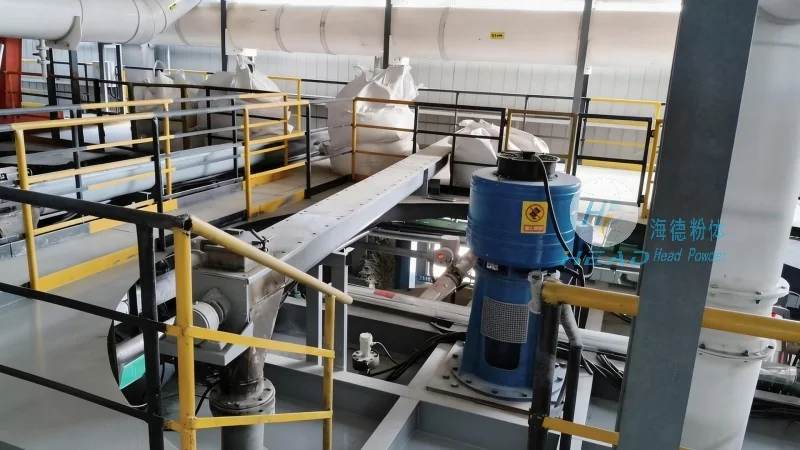
Material Handling Considerations for Yunying Stone
Handling Yunying stone requires attention to several factors to ensure the system operates efficiently and safely. The particle size and shape of Yunying stone can affect the air velocity needed for conveying, as smaller particles may require higher velocities to prevent settling. The system must be designed to accommodate these variations, possibly through adjustable air flow controls or variable speed drives. Moisture content is another critical factor, as high moisture levels can lead to clumping and blockages. Proper drying or moisture control measures should be integrated into the system to maintain consistent material properties.
Wear and abrasion are significant concerns when handling Yunying stone, as the material can cause rapid wear on components like pipes, valves, and filters. The use of wear-resistant materials, such as ceramic-lined components or high-grade alloys, is recommended to minimize maintenance costs and downtime. Regular inspection and maintenance of the system are essential to detect and address wear issues early, ensuring continuous operation. Additionally, the system should be designed with safety features, such as pressure relief valves and emergency shut-off mechanisms, to protect operators and equipment from potential hazards.
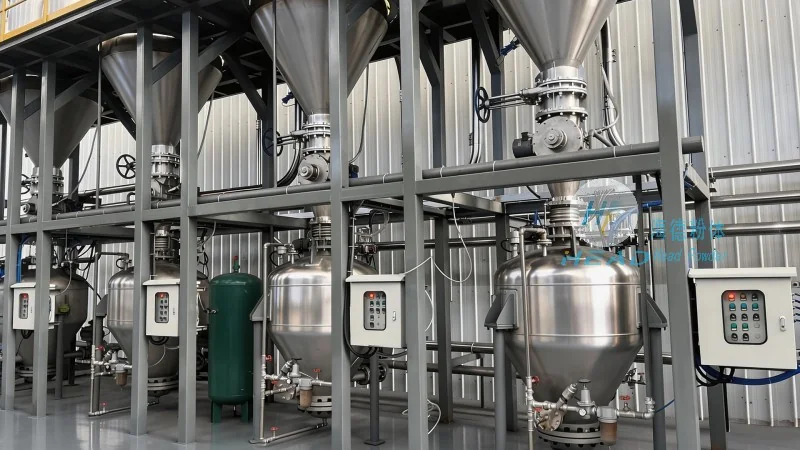
System Integration and Scalability
When designing a Yunying stone pneumatic conveying system, it is important to consider its integration with existing production facilities and future scalability. The system should be compatible with the existing infrastructure, including the layout of the plant and the location of processing equipment. This may involve adjusting the system's layout or incorporating flexible connections to accommodate changes in production needs. Scalability is another key consideration, as the system should be able to handle increased material volumes or expanded processing capabilities without major modifications. This can be achieved through modular design, where components can be added or replaced as needed to meet evolving requirements.
Shandong HeadPowder Engineering Co., Ltd. specializes in providing comprehensive solutions for Yunying stone pneumatic conveying systems, leveraging years of experience and technical expertise. The company's team of engineers works closely with clients to understand their specific needs and design customized systems that meet performance, efficiency, and safety standards. By adhering to industry best practices and using high-quality components, HeadPowder ensures that its systems deliver reliable and long-lasting performance, helping clients optimize their material handling processes and improve overall operational efficiency.