

Key Design Points for Bauxite Pneumatic Conveying System Solutions
Bauxite, a primary raw material for aluminum production, requires efficient and reliable transportation methods to ensure smooth industrial processes. Pneumatic conveying systems have emerged as a critical solution for handling bauxite, offering advantages such as reduced equipment wear, improved safety, and enhanced process control. This article outlines key design considerations for bauxite pneumatic conveying systems, focusing on practical solutions tailored to industrial needs.
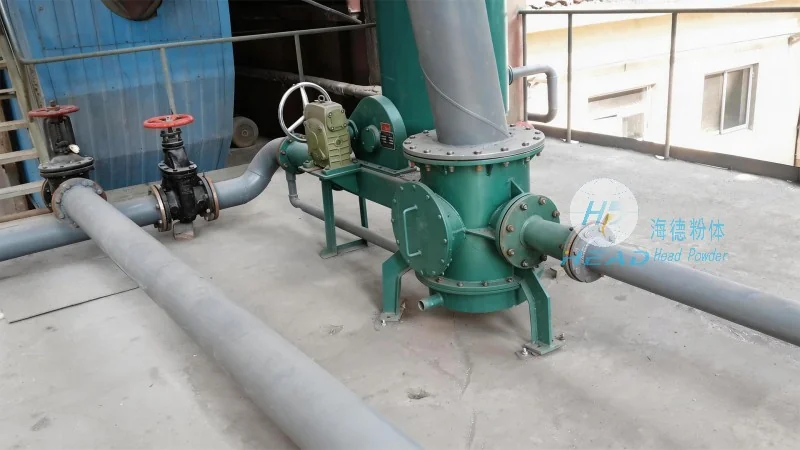
Key Design Considerations for Bauxite Pneumatic Conveying
When designing a bauxite pneumatic conveying system, several critical factors must be addressed to ensure optimal performance and longevity. The first consideration is the type of system, which can be categorized into pressure or vacuum systems. Pressure systems are commonly used for long-distance or high-capacity applications, while vacuum systems are suitable for shorter distances or when material is to be collected from multiple sources. The choice of system type directly impacts the overall design, including pipeline layout, air flow rates, and equipment selection.
Another crucial aspect is the material properties of bauxite. Bauxite particles vary in size, density, and moisture content, which affect the system's air consumption and pressure requirements. For example, finer particles may require higher air velocities to prevent blockages, while larger particles might need larger diameter pipelines to maintain flow. Understanding these characteristics is essential for selecting appropriate equipment, such as rotary valves, airlocks, and cyclones, which are integral to the system's functionality.
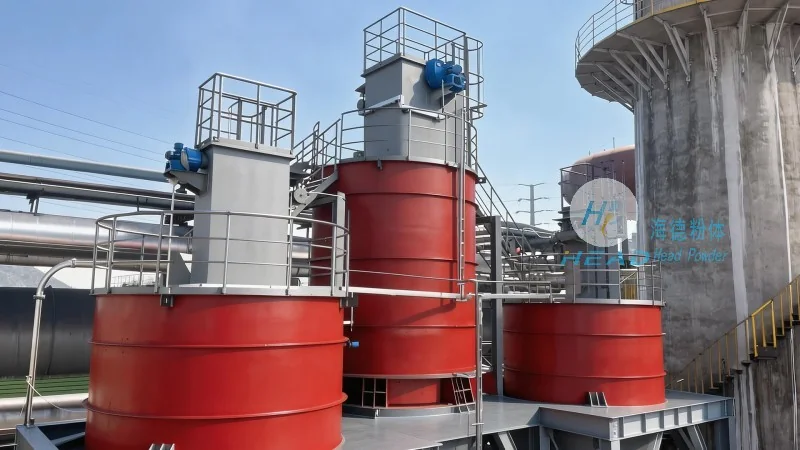
System Components and Their Role in Bauxite Handling
A bauxite pneumatic conveying system typically consists of several key components, each playing a vital role in the material transport process. The feed hopper is the starting point, where bauxite is stored and metered into the system. Rotary valves are used to control the flow rate, ensuring a consistent feed to the conveyor. The pipeline network connects the feed point to the discharge point, with bends and elbows designed to minimize pressure losses and maintain material flow.
At the discharge end, airlocks or cyclones separate the material from the air stream, preventing dust contamination and ensuring clean material delivery. The air system, including blowers or vacuum pumps, provides the necessary pressure or suction to move the material through the pipeline. Proper sizing of the air equipment is critical, as it directly impacts energy consumption and system efficiency. For instance, a well-designed blower with appropriate capacity can reduce energy costs while maintaining optimal conveying performance.
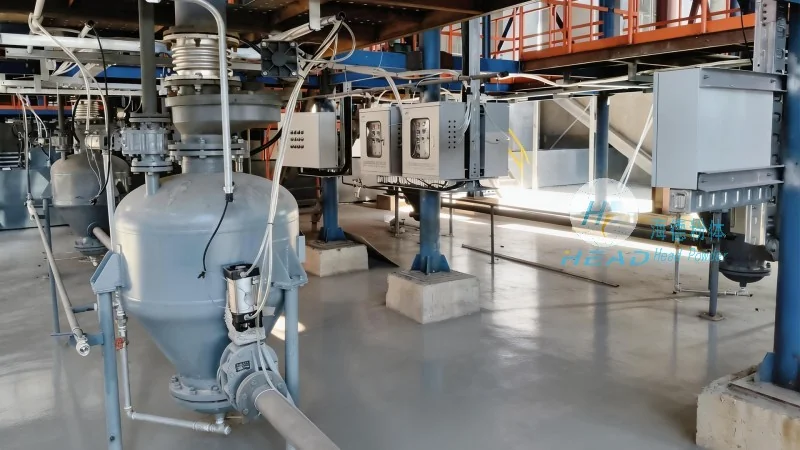
Design for Efficiency and Durability
Efficiency and durability are paramount in bauxite pneumatic conveying system design. Material selection for components, such as pipelines and valves, is critical to withstand the abrasive nature of bauxite particles. Stainless steel or high-grade alloys are often preferred for pipelines and fittings to prevent corrosion and wear. Additionally, the system's layout should minimize the number of bends and changes in direction, as these can cause pressure drops and increase the risk of blockages.
Energy efficiency is another key design consideration. By optimizing air flow rates and system pressure, energy consumption can be reduced. For example, using variable frequency drives (VFDs) to control blower speed allows for adjustments based on the material flow rate, preventing unnecessary energy use. Regular maintenance, including cleaning of cyclones and filters, is also essential to maintain system efficiency and prevent downtime.
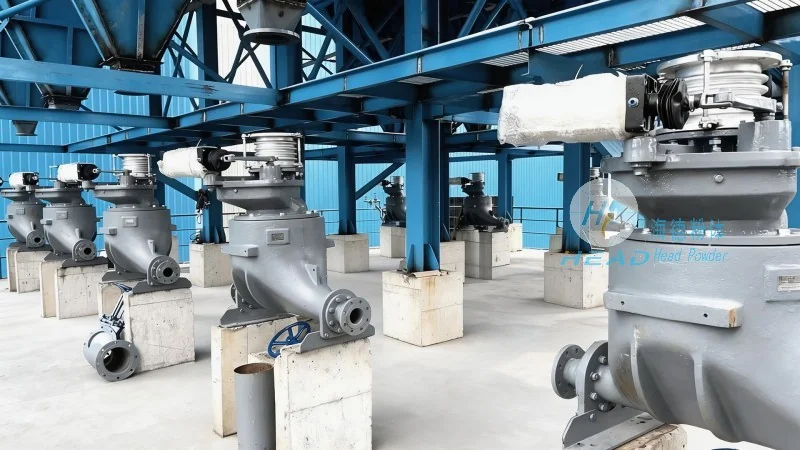
Application of Bauxite Pneumatic Conveying Systems
Bauxite pneumatic conveying systems are widely used in aluminum production facilities, where they transport raw bauxite from storage to processing units. The systems are also applicable in other industries, such as mining and chemical processing, where bulk material handling is required. The flexibility of pneumatic conveying allows for integration with existing infrastructure, reducing installation costs and time.
Companies like Shandong HeadPowder Engineering Co., Ltd. specialize in designing and implementing bauxite pneumatic conveying systems tailored to specific industrial needs. With years of experience in material handling, HeadPowder provides comprehensive solutions that address the unique challenges of bauxite transportation. Their expertise includes system design, equipment selection, and installation, ensuring that clients receive reliable and efficient solutions for their material handling requirements.